Has the Covid-19 vaccine worked for me? Do I have antibodies to tackle coronavirus for a second time? These are some of the questions on peoples’ minds when they go ahead and book themselves an antibody test.
As countries start re-opening, people are making sure they are 100% secure before stepping out into the new normal. As such, many have been seen falling back on antibody tests to ascertain their immunity against the novel coronavirus. While many nations have made an antibody test mandatory to determine whether vaccinated travellers need to get quarantined, there are offices which are asking for similar reports before allowing people to rejoin work.

However, with a lot of debate going on regarding the efficacy of such tests and whether these can be an indicator of one’s immunity towards coronavirus infection, we explain what these tests are and how they work.
Newsletter | Click to get the day’s best explainers in your inbox
What are antibodies?
Antibodies are proteins created by the body’s immune system to fight a particular virus, such as SARS-CoV-2. With these being very specific for their intended target, antibodies directed towards one virus would not protect the body from another. In other words, if you have had the measles, your body has antibodies for the measles virus, but measles antibodies will not protect you from catching a coronavirus.
The antibody test, hence, isn’t checking for the virus itself. Instead, it looks to see whether your immune system — your body’s defense against any illness — has responded to the infection.
How does the antibody test work?
Of the five main types of antibodies that would be produced after an infection, a test looks for just three — immunoglobulins A (IgA), M (IgM) and (IgG).
White blood cells — specifically B lymphocytes — first produce IgM antibodies after being presented with a foreign antigen, but later switch to producing IgG or IgA antibodies. IgG antibodies are the most common type to be found in the blood and have the largest part to play in conferring immunity to bacteria or viruses, while IgA antibodies tend to be found in bodily secretions such as saliva.
According to the Centers for Disease Control and Prevention, IgM and IgG antibodies for SARS-CoV-2 antigens are usually produced between two and three weeks after infection, but it is not yet known as to how long these remain in the blood.
A positive antibody test result shows that one may have antibodies from a previous infection. One may test positive for antibodies even if they have never had symptoms of Covid-19. This happens when one has had an asymptomatic infection.
Sometimes a person can test positive for SARS-CoV-2 antibodies when they do not actually have those specific antibodies. This is called a false positive.
However, a negative result means that either one has not been exposed to the coronavirus, or even if one were, the time of your test was too soon for one’s body to produce antibodies or the level of antibodies present at the time of the test were below the test’s limit of detection. It typically takes one to three weeks after infection for your body to make antibodies.
How many types of antibody tests are there and how accurate are they?
There are two types of tests that can determine if one has developed antibodies against a virus: a laboratory test, requiring a healthcare professional to take a blood sample from the patient, which is sent to a lab for results; or a rapid point-of-care test, which uses finger-prick blood and can be taken at home.
A Cochrane review of 38 antibody test accuracy studies from four countries found that tests which looked for IgG/IgM antibodies had low sensitivity — the ability of the test to correctly identify samples with antibodies — during the first week since the onset of symptoms (30.1%). Sensitivity increased by the second week (72.2%) and peaked in the third week (91.4%).
The reviewers concluded that “antibody tests are likely to have a useful role for detecting previous Sars-CoV-2 infection if used 15 or more days after the onset of symptoms”.
However, a report written by the Scientific Pandemic Influenza Group on Behaviours in April 2020 for the Scientific Advisory Group for Emergencies, expressed concern that even with a specificity rate of 98%, if 5% of a population had Covid-19, 28% who test positive for antibodies may not have actually ever been infected.
Does a positive result mean I am immune to the virus?
This is a question that researchers are eager to answer. In some diseases, the presence of antibodies means you are immune, or protected against future infection. Your body has learned to recognize that virus and has created antibodies to fight it.
However, for others, the immunity may fade over time. Researchers hope that having some antibodies to the coronavirus might protect you from a more severe case of Covid-19. More research will help clarify the relationship between having antibodies and being immune or protected from future SARS-CoV-2 infection.
The US Food and Drug Administration, on the other hand, believes the tests are unnecessary and unreliable, and should not be used to determine how much protection someone gains from Covid-19 vaccines. “If antibody test results are interpreted incorrectly, there is a potential risk that people may take fewer precautions against SARS-CoV-2 exposure,” the FDA says.
Since one of the most puzzling things about the coronavirus is how differently it affects individuals, testing is the best way to determine whether or not you have Covid-19. Whether or not your antibody test is positive or negative, you should remember that you might still be able to catch Covid-19 or unknowingly spread the disease to someone else, regardless of whether you have any symptoms.

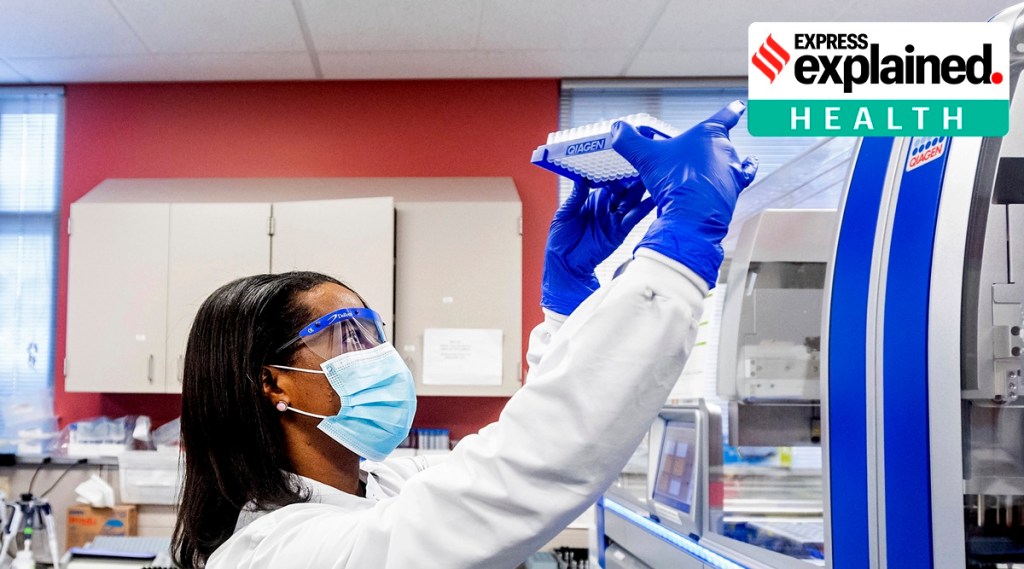 Since one of the most puzzling things about the coronavirus is how differently it affects individuals, testing is the best way to determine whether or not you have Covid-19. (Photo: AP)



 Share


