5 min readNew DelhiDec 7, 2020 10:41 AM IST
First published on: Dec 6, 2020 at 02:16 PM IST
The Petroleum and Natural Gas Regulatory Board (PNGRB) has notified a new tariff structure for 14 natural gas pipelines, which, it says, aims to reduce the cost of natural gas for users further away from sources of natural gas and LNG terminals on the west coast of the country.
What is the change?

Under the new unified tariff structure, buyers will be charged a fixed tariff for the transport of gas within 300 kms of a source and a fixed tariff for the transport of gas beyond 300 kms on a single pipeline network. This, PNGRB says, would be significantly cheaper for buyers further away from the source of gas who were earlier charged on the basis of the number of pipelines used and the distance from the source of gas. Therefore, a buyer using multiple pipelines in GAIL’s networks would likely benefit significantly from this change.
An expert noted that this highlighted the government’s emphasis on boosting the consumption of natural gas in the country. The government is aiming to boost the consumption of natural gas which currently accounts for 6.2% of India’s energy basket to 15% by 2030.
How does this impact gas transmission companies? Who benefits?
The changes in the tariffs will likely incentivise greater investment into gas transmission infrastructure as natural gas becomes more affordable for users further away from the west coast of the country. Gas transport tariffs are set to provide a “reasonable rate of return” on normative levels of capital employed and operating costs for pipelines, according to the PNGRB.
“Entities in the hinterland especially in the north-east will benefit substantially from this as for them in some cases the tariff for can be close to the price of the natural gas itself,” said Sanjay Sah partner at Deloitte India.
Multiple pipeline operators will, however, now have to settle dues among themselves as the consumers will pay the transport tariff to the operator at the exit point of gas and the operators will then have to settle dues with the operators of other pipelines used for the delivery of the natural gas. A number of stakeholders had commented on the need for clarification of the settlement mechanism in the draft regulations with some calling for an independent agency for settlement of dues between pipeline operators.📣 Follow Express Explained on Telegram
Also read | Natural Gas Pipeline Tariffs: Existing pacts under stress, industry says will mount legal challenge
Who loses out?
A number of companies which use natural gas as an input have set up fertilizer units and power plants close to LNG terminals on the west coast. The cost of gas for them may rise noticeably.
“Consumers near the sources of natural gas who see their tariffs go up sharply may seek remediation,” said Sah.
This proposal had previously come under criticism from industry bodies, which said that the move was similar to the now defunct “freight equalisation” policy introduced by the government in 1952 under which the government subsidised the transportation cost of minerals to areas further away from the sources of minerals.
The Fertilizers Association of India pointed out the increase in the landed cost of natural gas for fertilizer units located along the Hazira-Vijaipur-Jagdishpur pipeline alone would have an impact of over Rs 400 crore on fertilizer units producing the majority of India’s urea output. The ministry of fertilizers also pointed out that this would lead to an increase in the subsidy burden on the government as the cost of natural gas is a pass-through item for the determination of concession rate paid to fertilizer units.
Also read | PNGRB simplifies gas pipeline tariff to make it more affordable
What next?
Experts noted that the regulations are likely to face legal challenges as the new regulations will lead to a significant hike in the cost of gas transportation for many consumers who may already have agreements in place for the transport of gas at lower prices based on the existing regime. A further challenge to the regulation could come from the potential violation of the bidding process for bid-out pipeline through the change in regulations. Of the 14 pipelines that are set to have tariffs regulated by the new regulations, the construction and operation of four pipelines was bid out based on the tariff offered by bidders. Experts note that customers located within the first zone of such pipelines are entitled to the low transport tariff rates that were bid by pipeline operators and a hike in tariff rates for them which is likely under the new regulations would violate the sanctity of the bidding process.
Another potential avenue for a legal challenge could be the absence of a member (legal) on the board of the PNGRB at the time the regulation has been notified. The Supreme Court recently suspended the functioning of the Central Electricity Regulatory Commission as for its failure to appoint a member (law). The position of member (legal) on the PNGRB board has been vacant since March 20.
A government official told The Indian Express that the petroleum ministry was examining the new regulations and noted that the issues of the sanctity of existing contracts and the bidding process for bid-out pipelines were significant and could lead to the regulations facing legal challenges.
Also in Explained | Why has RBI asked HDFC Bank to stop digital launches, new credit card sourcing?

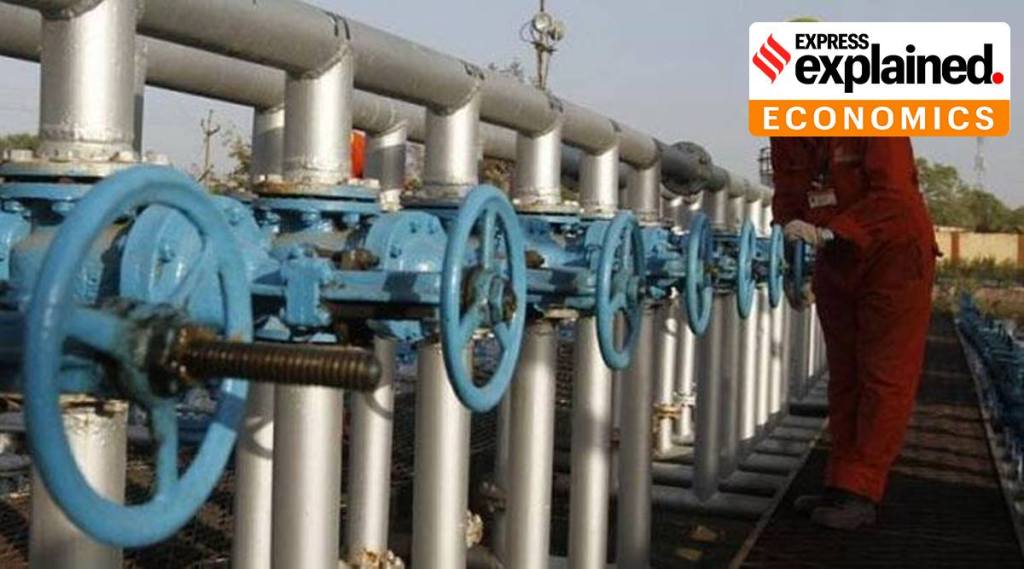 A number of companies which use natural gas as an input have set up fertilizer units and power plants close to LNG terminals on the west coast. (File)


 Share


