5 min readNew DelhiJan 31, 2024 09:58 AM IST
First published on: Jan 30, 2024 at 04:33 PM IST
After conducting a physical survey of the Gyanvapi mosque, referred to as Settlement Plot No. 9130 in court records, the Archeological Survey of India (ASI) last week came out with an 839-page report that said “there existed a Hindu temple prior to the construction of the existing structure” at the site.
We look at the questions that the ASI sought to answer through the survey, how they conducted the exercise, and the team behind it:

What did the ASI set out to find?
In July last year, the Varanasi district court directed the ASI to primarily find out whether the mosque was “constructed over a pre-existing structure of a Hindu temple”, in response to a plea filed by five Hindu women – referred to as ‘Rakhi Singh and others’.
For this, the agency was asked to conduct a detailed scientific investigation through a Ground Penetrating Radar (GPR) survey, excavation, dating methods and other modern techniques. Significantly, they were also tasked with ascertaining the age and nature of the construction of the Western wall, which is widely believed to be predating the mosque.
The agency was also asked to prepare a list of all the artefacts found in the building, specifying their contents. While doing all this, the ASI was instructed to ensure that no damage was done to the structure. In that sense, the ASI insists the survey wasn’t their initiative, nor were the questions and aims set out by them, and they were merely carrying out the court orders.
Who was on the team?
Following the court order, the ASI set up a 50-member team led by its Additional Director-General, Alok Tripathi. Besides Tripathi as the lead, the ASI headquarters in Delhi also dispatched Niraj Sinha, Director of its Museums and Epigraphy divisions, to the spot. The epigraphy branch caters to surveys and documentation of inscriptions and conducts studies and research on those elements.
Senior archaeologists from ASI’s Sarnath Circle (under whose jurisdiction Varanasi falls) were also roped in for the survey, besides technicians, photographers, clerical staff for measurements etc, and other support staff.
What are the techniques used?
In view of the court’s directions that the structure should remain unharmed, the ASI survey mostly entailed line drawings, documentation, GPR imaging and written notes, besides photography and videography. The ASI team used several non-invasive scientific techniques to ascertain the age of the mosque complex.
In the case of objects discovered on the premises, the team determined their age archaeologically – dating them by studying stylistic comparisons. The team also physically inspected all nooks and corners of the complex, studying all the aspects archaeologically and photographed them to create a detailed map.
Even as the district court had permitted excavation (without harming the structure), the ASI team refrained from any sort of excavation in the complex or in the adjoining areas owing to the sensitivity of the matter. However, extensive cleaning of the debris was conducted, which consisted of using regular garden tools like shovels to clear sludge from the compound and its basement cellars.
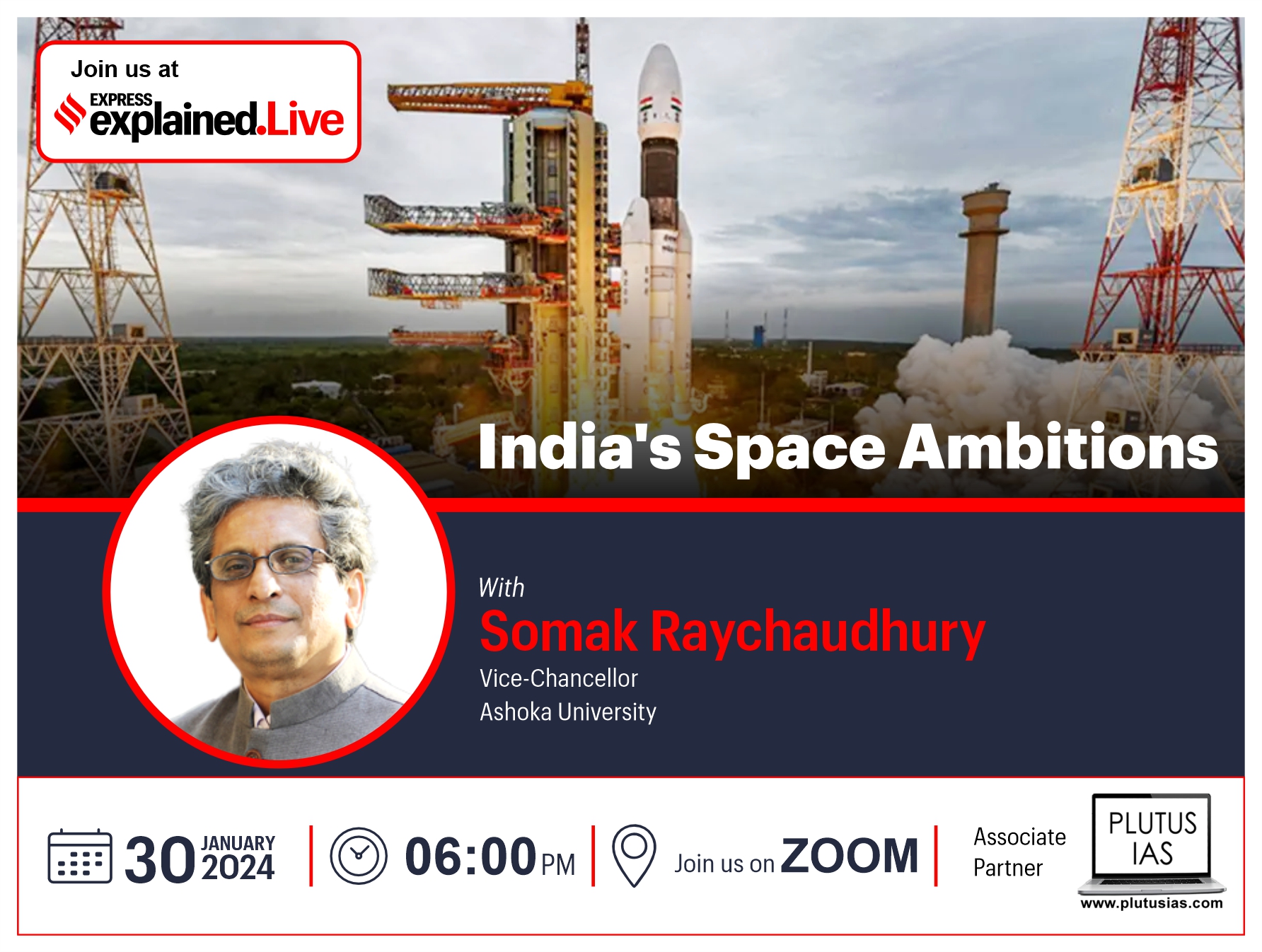
Join us for Explained Live event on India’s space ambition
What next?
The ASI survey – which went on for about three months – excluded the areas sealed by the Supreme Court in May last year, popularly known as the wazukhana or ablution area.
Hindu petitioners in the Kashi Viswanath-Gyanvapi mosque dispute have now moved the Supreme Court seeking a vacation of stay, and asked the ASI to conduct a scientific investigation of the object recovered from the water tank in the mosque.
They also urged the SC to direct the ASI to survey the sealed parts of the complex. While the Hindus claimed that the object found there is a Shivling, the Muslim side contends it is a fountain. Sources say the ASI will conduct a similar survey of the tank as and when the court orders it.
As per ASI sources, their report is based on extensive scientific techniques and can stand the scrutiny of the court, in case arguments and counter-arguments based on their report ensue. Meanwhile, the All India Muslim Personal Law Board has refuted the report saying that it is not “conclusive evidence” in this contentious case.

 The Gyanvapi mosque, in Varanasi, Monday, Jan. 29, 2024. (PTI photo)



 Share


