In his last screen appearance, Dibakar Banerjee’s short film for Bombay Talkies last year, Sadashiv Amrapurkar as the ghost of a Marathi stage performer confronts Nawazuddin Siddiqui on his hunger to be an actor. The conversation between them alludes to several pertinent subjects — the aftermath of the closure of mills, the famous one-act play Natasamrat, and the harsh reality of theatre today. That four-minute scene achieves two things: it displays his versatility as an actor and in some ways sums up the actor’s life.
Bollywood and Marathi movie actor Sadashiv Amrapurkar passed away at suburban Kokilaben Dhirubhai Ambani hospital at around 2.45 am on Monday after battling lung infection for over a fortnight. According to hospital sources, the 64-year-old actor was put on ventilator.

The actor is survived by his wife Sunanda Amrapurkar and three daughters. The last rites will be performed on Tuesday afternoon in his native city Ahmednagar.
Sadashiv Amrapurkar was born Ganesh Kumar Narwode in 1950 to a business family in Ahmednagar. He developed a keen interest in theatre from an early age. He moved at the age of 21 to Pune and later to Mumbai.
Also a trained classical singer, he adopted the stage name Sadashiv Amrapurkar in 1974 and went on to act in several Marathi plays, also dabbling in writing and directing. At the same time, he took up small roles in Marathi films.
Bollywood and Marathi movie actor Sadashiv Amrapurkar passed away on November 3, 2014.
It is widely believed that Marathi play Hands-Up!, with Avinash Masurekar and Bhakti Barve, first got him recognition. However, legendary Vasant Kanetkar-directed Marathi drama Suryachi Pille with Mohan Gokhale and Dilip Prabhavalkar, staged in the 70s, is among his early successes. “He was in his late 20s, but essayed the character of Jambvant Rao, a 60-something man. He was so convincing in his act that I would easily forget his age,” recalls Prabhavalkar. In the ‘80s, he also directed Smita Patil in his critically acclaimed drama Chhinha.
He made his Hindi film debut with Govind Nihalani’s Ardh Satya as don Rama Shetty. Amrapurkar’s first big break in Marathi cinema was on June 22, 1897, in which he essayed the role of Bal Gangadhar Tilak.
Story continues below this ad
Ardh Satya opened the doors of Bollywood for him. Over the next two decades, he was part of some of the biggest Hindi blockbusters, working in several films with stars like Dharmendra and Amitabh Bachchan, often essaying negative characters. His most memorable role — apart from Rama Shetty — is in Mahesh Bhatt-directed Sadak as Maharani, a transgender who runs a brothel. Later, he would work closely with David Dhawan in his comedy films alongside Govinda and Kader Khan. “His demise is a huge loss to the industry. Sadashiv sahib had great comic timing,” said Govinda.
By early 2000s, he had more or less stopped acting in Bollywood, only occasionally taking up roles in Hindi and Marathi films.
Those who knew him closely remember him also for his active involvement with social causes. His daughter Reema Amrapurkar, an actor-director, said that he worked for the rights of the lower castes in his native place. He backed late activist Narendra Dabholkar’s anti-superstition campaign and last year, he protested the wastage of water during Holi.




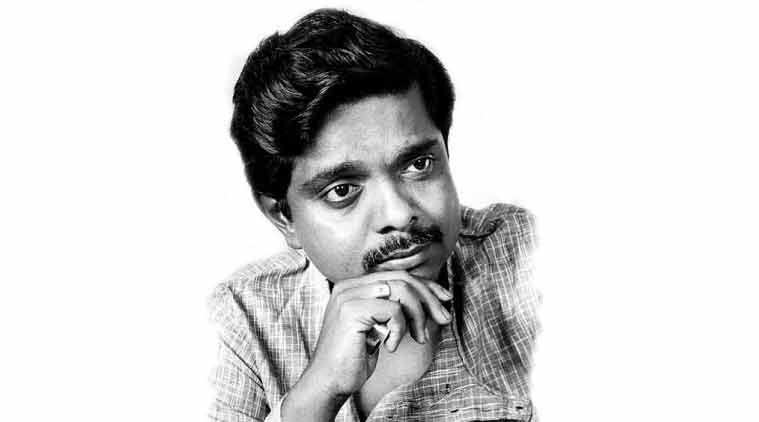 Bollywood and Marathi movie actor Sadashiv Amrapurkar passed away on November 3, 2014.
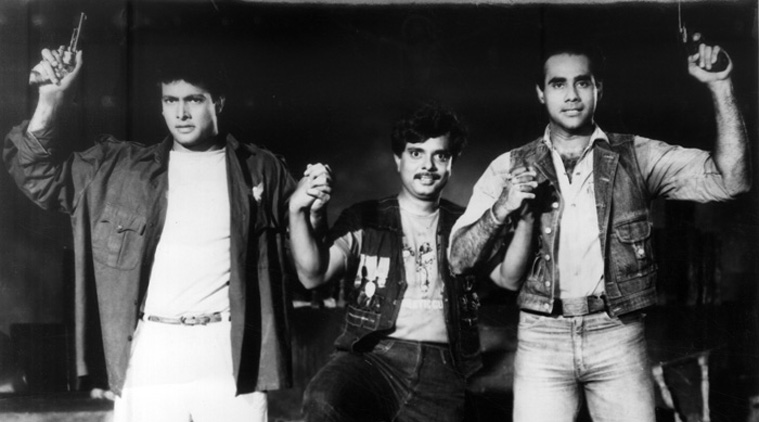 “His demise is a huge loss to the industry. Sadashiv sahib had great comic timing,” said Govinda.