


Journalism of Courage
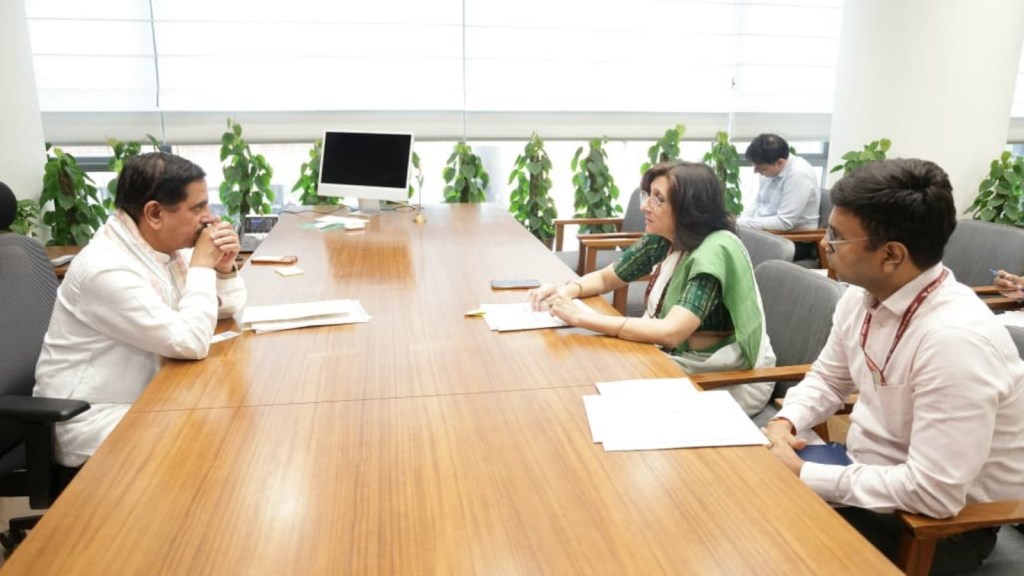 A separate meeting with senior officials of the Department of Higher Education also discussed key issues concerning the higher education sector, with an emphasis on innovation, adaptability and student-centric approaches. (Express photo/ representational)
The Ministry of Education has reviewed preparations for upcoming national-level examinations with senior officials of the National Testing Agency (NTA), keeping examination security, candidate convenience and coordination across the examination ecosystem in focus.
In a post on X, Minister of Education, Pralhad Joshi, emphasised the need for “timely communication, efficient conduct of tests and a seamless experience for students and aspirants.” A separate meeting with senior officials of the Department of Higher Education also discussed key issues concerning the higher education sector, with an emphasis on innovation, adaptability and student-centric approaches.
The meeting comes as the Ministry is working on a national Computer-Based Testing (CBT) infrastructure strategy amid discussions on a possible shift of the National Eligibility-cum-Entrance Test Undergraduate (NEET-UG) from pen-and-paper to online mode.
The proposed CBT infrastructure strategy plans to expand the availability of examination centres, standardise their infrastructure and create a system capable of supporting large national-level entrance examinations across the country.
A senior Ministry official had earlier said the strategy was being prepared to “close the geographic gap” in the availability of test centres and establish uniform examination-grade specifications. The proposed model is expected to draw on multiple sources of infrastructure to meet the requirements of large-scale examinations.
Read | Outsourced workforce, single-officer control: Why SBI Research calls for new NTA law
NEET-UG is conducted in pen-and-paper mode using Optical Mark Recognition (OMR) sheets. While the government is considering a transition to CBT, a final decision is expected after the High-Powered Task Force on examination reforms, led by Nandan Nilekani, submits its recommendations.
The proposed shift would require more than digitising the question paper. The government is examining the availability of test centres, the sequencing of the transition and its implications for candidates, particularly those in rural areas, women candidates and students from districts with limited internet connectivity.
The infrastructure strategy is also being considered as part of the broader examination reform exercise, which covers security, technology, accessibility and inclusion.
The Nilekani-led task force, set up in July, has been mandated to recommend comprehensive reforms in the conduct, security, design and governance of public examinations, including those conducted by the NTA. The panel has been consulting experts and stakeholders as it works on recommendations for strengthening the examination system.
The NTA currently conducts several major examinations in computer-based mode, including JEE-Main, CUET-UG, CUET-PG, UGC-NET and CSIR-UGC-NET. NEET-UG, which sees nearly 25 lakh candidates appear annually, remains one of the agency’s largest pen-and-paper examinations.
A nationwide CBT framework could eventually facilitate the migration of other offline entrance examinations to computer-based testing. However, the transition would require adequate centres across states, standardised equipment, reliable connectivity, power backup and robust security arrangements to ensure comparable examination conditions for candidates.
The possible shift to CBT has gained attention amid the Centre’s wider examination reform efforts following the 2024 NEET-UG paper leak controversy. The government is expected to take a final call on the examination’s format and transition timeline after considering the task force’s recommendations.


