3 min readPuneApr 1, 2022 11:44 AM IST
First published on: Apr 1, 2022 at 01:09 AM IST
TWO NEW studies published in the Lancet Infectious Diseases journal confirm that Covid-19 vaccines provide additional protection to those who have already been infected with SARS-CoV-2, especially against severe illness.
 In the first study, conducted in Brazil, researchers found that four vaccines – CoronaVac, Oxford-AstraZeneca (ChAdOx1), Janssen (Ad26.COV2.S) and Pfizer-BioNTech (BNT162b2) – provide additional protection against symptomatic reinfection and severe outcomes – such as hospitalisation and death – in people who have already had a SARS-CoV-2 infection. The study did not include cases of reinfection from the Omicron variants.
A second study, conducted in Sweden, found that the first three months following SARS-CoV-2 infection were associated with higher mortality compared to non-infected individuals but patients who survived and recovered were then at a lower risk of re-infection for up to 20 months. In addition, vaccination against Covid-19 provided additional protection to those with a previous infection for at least nine months.
Importantly, the study only followed people up to October 2021, so did not include any analysis of reinfection from the Omicron variants.
Previous research has shown that Covid-19 vaccines are effective at preventing infection and hospitalisation in those without a previous infection. Together, the studies provide important information on vaccine effectiveness in individuals with a prior infection as well as other forms of immunity against Covid-19, helping to inform global vaccine strategies.
In the first study, researchers aimed to determine whether the four Covid-19 vaccines licenced for use in Brazil – CoronaVac, Oxford-AstraZeneca (ChAdOx1), Janssen (Ad26.COV2.S) and Pfizer-BioNTech (BNT162b2) – offered additional protection against symptomatic infection, hospitalisation and death, to those reinfected with SARS-CoV-2.
“Covid-19 vaccines have been proven to be highly effective at preventing symptomatic infection and hospitalisation among those with no prior infection but effectiveness for those with prior infection is less clear,” study author Julio Croda, Universidade Federal de Mato Grosso do Sul and Fundação.
Participants were selected from national disease surveillance and vaccination databases if they had a PCR confirmed SARS-CoV-2 reinfection, at least 90 days after they contracted the initial infection (22,566 people in total). The primary outcomes analysed were symptomatic Covid-19 and hospitalisation or death within 28 days of the positive test categorised by vaccination status.
Among people who had experienced a SARS-CoV-2 infection and were later vaccinated, vaccine effectiveness against symptomatic reinfection was 39% for CoronaVac, 56% for Oxford-AstraZeneca, 44% for Janssen, and 65% for Pfizer-BioNTech. Effectiveness against hospitalisation and death was 81% for CoronaVac, 90% for Oxford-AstraZeneca, 58% for Janssen, and 90% for Pfizer-BioNTech.
Of the 22,566 reinfection cases recorded, 1,545 people were hospitalised and 290 people died within 28 days of a positive test. Past studies suggest that the level of protection after Covid-19 infection varies among individuals. However, there is increasing evidence that vaccination following infection further increases protection against subsequent illness among those who have been previously infected.

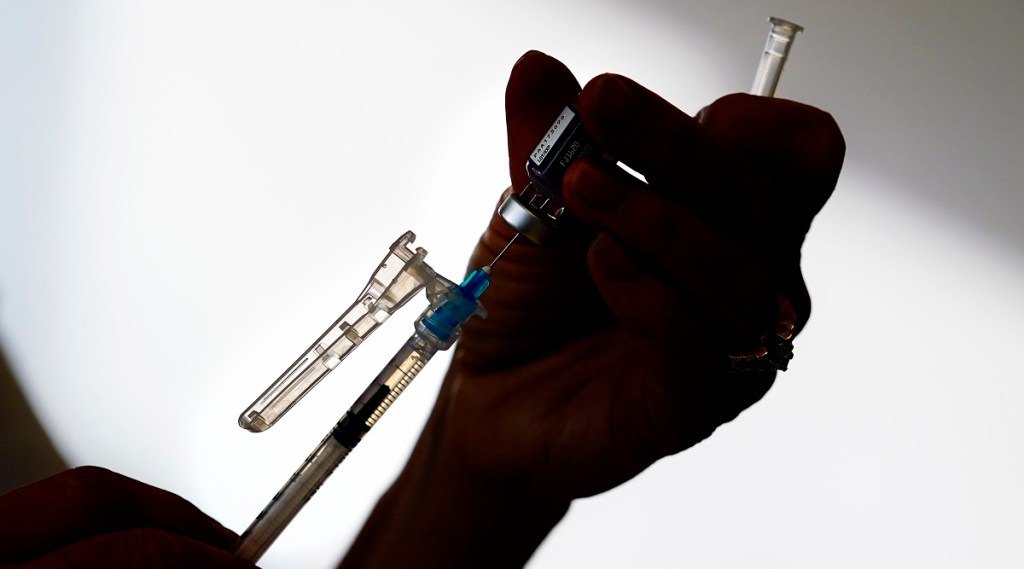 Previous research has shown that Covid-19 vaccines are effective at preventing infection and hospitalisation in those without a previous infection. AP/File
 In the first study, conducted in Brazil, researchers found that four vaccines – CoronaVac, Oxford-AstraZeneca (ChAdOx1), Janssen (Ad26.COV2.S) and Pfizer-BioNTech (BNT162b2) – provide additional protection against symptomatic reinfection and severe outcomes – such as hospitalisation and death – in people who have already had a SARS-CoV-2 infection. The study did not include cases of reinfection from the Omicron variants.



 Share


