4 min read

Click here to join Express Pune WhatsApp channel and get a curated list of our stories
© The Indian Express Pvt Ltd



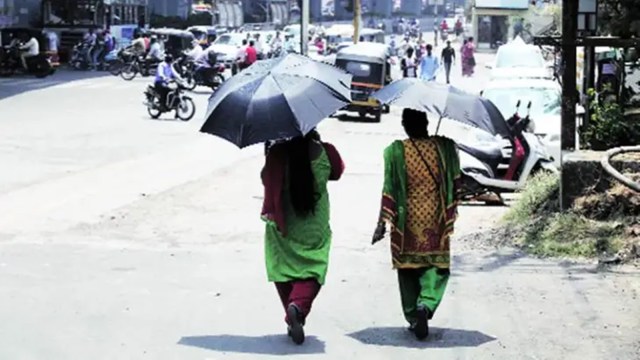 While the central government has provided a heatwave outlook for the hot weather season (March–May 2025), health authorities are advised to take strict precautions, especially for vulnerable populations. (Source: File)
As summer temperatures soar, Pune, in coordination with state health authorities, has intensified surveillance to prevent and monitor the health impacts of extreme heat. While no major heatstroke case has been reported from Pune and surrounding areas, data from the Maharashtra health department shows 23 heatstroke cases this March.
In 2024, Maharashtra reported 347 heatstroke cases and one confirmed death due to heatstroke, while there were 3,191 cases and 14 deaths in 2023. The Integrated Health Information Platform, introduced in 2022, has allowed for the collection of data on heat-related illnesses and strokes, which explains the high number of reported cases, officials said.
While the central government has provided a heatwave outlook for the hot weather season (March–May 2025), health authorities are advised to take strict precautions, especially for vulnerable populations. Districts have been directed to submit daily data on heatstroke cases, deaths, emergency attendance and total deaths from March 1 this year on the portal under the National Programme on Climate Change and Human Health.
“A total of 2,746 cold rooms have been identified across Maharashtra,” Dr Babita Kamalapurkar, Joint Director of Health, Maharashtra, told The Indian Express. This includes 220 cold rooms in Pune, located at 101 primary health centres, 19 rural hospitals, 94 urban health centres, and one district hospital, among others. Across the state, there are 1,909 primary health centres with cold rooms, 372 rural hospitals and 38 district hospitals equipped with this facility.
Of the 23 heatstroke cases reported this year, four are from Gadchiroli, three each from Nagpur and Buldhana, two each from Latur and Parbhani, and one each from Nashik, Nanded, Raigad, Palghar and other districts.
Dr Kamalapurkar emphasised the importance of recognising the symptoms of heat-related illnesses. “A heatwave can have severe health impacts, leading to heatstroke, dehydration, heat exhaustion and other health-related issues. Symptoms of heatstroke include severe headache, vomiting, breathing difficulty and dry skin with no sweating,” she said.
In preparation, special emergency treatment units have been established at primary health centres and other health institutions, she added.
Medical officers at district and municipal levels have received training on heatstroke management. To mitigate the effects of extreme heat, officials have urged residents to take necessary precautions and issued health advisories. Dr Harshal Pandve, Head of the Department of Community Medicine at YCM Hospital, Pimpri, said that with rising temperatures, an increase in patients with heat-related illnesses is expected in April and May. “It is essential to stay hydrated, as a lack of body fluids can lead to weakness, exhaustion, heat cramps and muscle pain,” he said.
Certain groups are more vulnerable to the effects of a heatwave. Young children, elderly individuals, pregnant women and those with pre-existing health conditions take longer to adjust to temperature changes and can be more sensitive to dehydration and heat-related illnesses.
Stay hydrated: drink plenty of water throughout the day to keep your body hydrated.
Eat light and refreshing foods: include fresh fruit juices, lemon water, buttermilk and kokum sherbet in your diet.
Wear light and loose clothing: opt for white or light-colored, cotton, and comfortable clothes.
Stay in cool places: try to remain in shaded or cool areas during peak heat hours.
Cover your head: use a hat, scarf, or umbrella when going out in the sun.
Include fruit and vegetables in your diet: eat water-rich fruits like watermelon, cucumber and musk melon.
Avoid direct sun exposure: Allow your body to gradually adapt to the summer heat; do not step out suddenly in intense heat.
Take cool showers: bathing twice a day helps maintain body temperature.
Adjust work timings: if possible, schedule work during early mornings or late evenings.
Avoid direct sun exposure: refrain from going outside between 11 am and 4 pm.
Avoid dark and thick clothing: black or dark-coloured clothes absorb more heat.
Do not overexert yourself: avoid strenuous physical activities, especially in the afternoon.
Avoid carbonated drinks: stay away from soft drinks, soda and alcohol as they can dehydrate your body.
Do not skip meals: even if you are not very hungry, eat light meals regularly.
Never leave children or pets in a parked vehicle: the temperature inside a locked car can rise rapidly, posing a severe risk.