
Residential societies in Mumbai turn a blind eye to dengue prevention
Recently, the cases of dengue have shot up from 65 recorded by the civic health department in August to 167 in September.
 Additionally as many as 9,482 preventive notices have been given to hospitals, educational institutes and nursing homes for mosquito prevention.
While the city is reeling under a sudden splurge of dengue cases with five deaths reported so far, data gathered from the civic authorities indicate that residential societies are responsible for 92 per cent of breeding cases. Data from January till September 30 this year, show that a significant 12,673 legal notices have been served only to private properties – comprising residential premises – for allowing mosquito breeding. Government premises have been served 983 notices for mosquito breeding.
Recently, the cases of dengue have shot up from 65 recorded by the civic health department in August to 167 in September. In October till now, 86 cases have been reported by public hospitals and dispensaries. According to the civic body, maximum cases reported from L (Kurla), M East (Govandi), E (Byculla, Chinchpokli), and H East (Bandra east) ward.

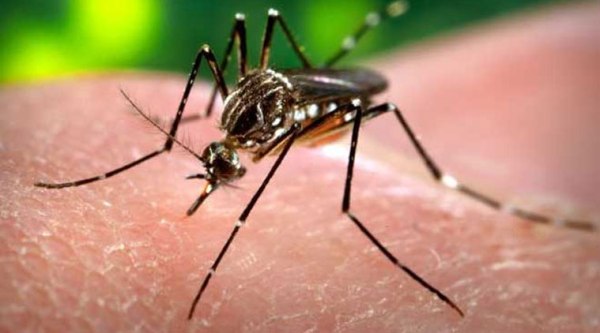
“The rise in cases is normal as breeding of Aedes Aegypti mosquito (which spreads the dengue virus) is at its peak during receding Monsoons. But residential areas need to be more careful. Civic authorities are not allowed to enter for checking dengue breeding in certain private properties,” said Dr Rajan Naringrekar, insecticide officer at Brihanmumbai Municipal Corporation (BMC).
According to the insecticide office, despite advertising and creating awareness about preventive measures, residential societies have turned a blind eye to mosquito breeding. “Maximum breeding spots are found in petri-dishes, refrigerator tray, fengshui plants, and money plants inside flats. Dengue breeding is more difficult to handle as it breeds inside houses,” Naringrekar added.
On Tuesday, a team of civic staffers inspected a flat in Lamington Road from where two cases of dengue were reported. Breeding spots of the mosquito were found in the family’s bathroom, a civic official said. In another incident, civic workers were not allowed to survey possible breeding spots in a Juhu locality.
While the BMC serves around 1,500 legal notices in off-season when breeding is at its low, the count has risen to 2,500 per month since August. A fine of Rs 19.65 lakh has been collected from residential areas and Rs 13,000 from government premises since January till now.
Additionally as many as 9,482 preventive notices have been given to hospitals, educational institutes and nursing homes for mosquito prevention.
According to Dr Mangala Gomare, deputy executive health officer, with the rising incidences in dengue cases, the civic body has initiated an aggressive awareness campaign. “We have been giving radio advertisements on the methods of avoiding breeding. There are more number of awareness drives in residential societies now,” she said.
Dr Om Srivastava, head of infectious diseases at Jaslok hospital, said, “The people infected with the virus need longer hospitalisation now. Even the symptoms are coming to early. Instead of getting well in three-four days, a patient now takes over a week to get well.”
 Share


