Journalism of Courage



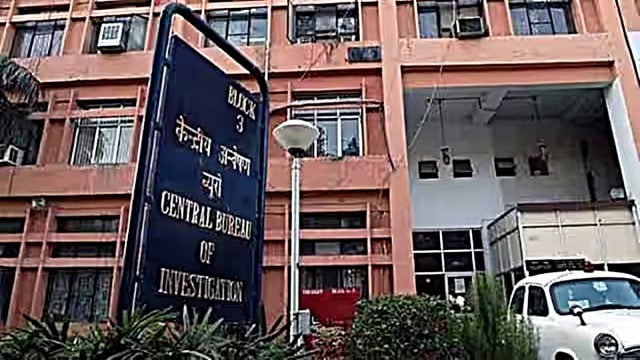 CBI booked three people, including Singh and a member of the CBFC, under relevant sections of the Prevention of Corruption Act. (Source: File)
A special court Tuesday rejected an application filed by former Central Board of Film Certification (CBFC) chief executive officer (CEO) Rakesh Kumar Singh seeking to be discharged from a corruption case filed against him in 2014. The Central Bureau of Investigation (CBI) had booked him, claiming that he had demanded bribes for censor certification for films.
“Demand of money by Rakesh Kumar is prima facie appearing. He was collecting the amount through his agents. Demand and acceptance of the amount can be proved by circumstantial evidence also as many times direct evidence is not available. It can be proved only after recording of evidence. Hence, there is sufficient material to frame charge. Therefore, he cannot be discharged as prayed,” CBI Special Hudge S M Menjoge said in his order.
CBI booked three people, including Singh and a member of the CBFC, under relevant sections of the Prevention of Corruption Act. Singh sought to be cleared from the case, stating that there was no evidence that he had demanded or received a bribe. He further submitted that the CEO of the CBFC is not the sole authority to issue certificates clearing films, so he could not have sought a bribe.
CBI opposed his discharge plea by stating that there was evidence that he had sought a bribe through a co-accused for clearing a Chattisgarh film, Mor Dauki ke Bihav, for its early release in 2014. It was also claimed that evidence showed that he had obtained an iPad and a laptop to clear a Tamil film.
CBI claimed that Singh had dumped the articles in the Arabian Sea. The agency claimed that the bribe amount was negotiated by various accused with a rate for certificates to be issued early. Singh said the allegation of throwing the articles into the sea was false as nothing was recovered. The court said these aspects can be looked at during the trial.



 2 min read