Journalism of Courage



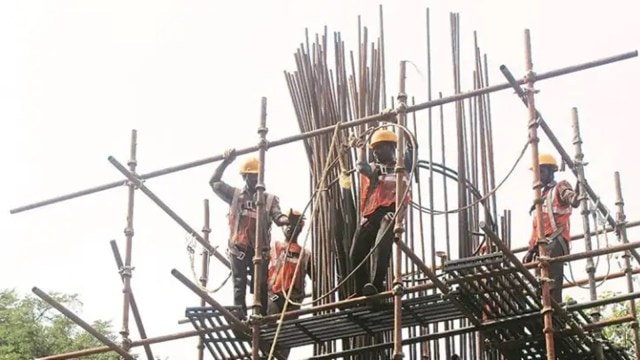 It has set up 19 emergency response teams, each comprising an engineer and 10 workers, to swiftly address any emergency. (File Photo)
As monsoon approaches, the Mumbai Metropolitan Region Development Authority (MMRDA) has deployed 300 engineers and workers at Metro sites to ensure safety.
It has set up 19 emergency response teams, each comprising an engineer and 10 workers, to swiftly address any emergency. Additionally, 18 emergency centres, maintenance vehicles and 17 ambulances are on standby round the clock to provide immediate assistance, if required.
To mitigate risks associated with heavy rainfall, MMRDA has strategically stationed 131 de-watering pumps across project sites to ensure efficient drainage. Adjustments to barricades will be made to maintain traffic flow, and soil piles are being cleared, drains repaired, and electrical equipment tested as part of monsoon preparation protocols.
A dedicated control room has been set up, operational from June 1 to September 30, for residents to report issues related to MMRDA projects, including uprooted trees, waterlogging, accidents, and traffic disruptions.
The recently inaugurated Atal Setu, India’s longest sea bridge, is also receiving special attention to ensure uninterrupted access during the monsoon. Adequate pumps have been installed to prevent flooding in the interchange area, with an emergency response team on standby. Enhanced patrols, coordination with local authorities and police, and intensified visual inspections will aid in regulating traffic flow effectively.
At the Surya project in Vasai-Virar, precautionary measures include elevating intake pumps 2 metres above high flood levels and deploying heavy-duty equipment to manage potential blockages. A state-of-the-art laboratory at the Water Treatment Plant maintains stringent water quality standards to safeguard public health.

 2 min read