For thousands of haemophilia patients in Maharashtra, every injury poses a life-threatening risk, yet access to treatment is vanishing. Budget cuts have left many—especially children—suffering prolonged bleeding, crippling joint pain, and the fear of fatal haemorrhages. With essential medications unavailable and emergency treatment centres shutting down, patients are being pushed to the brink.
“Maharashtra has no dedicated budget for haemophilia treatment. Patients are suffering due to funding gaps, and uninterrupted care has become a distant dream,” said Jigar Kishore Kotecha, Secretary of the Haemophilia Society Mumbai Chapter. The National Health Mission (NHM) budget for haemophilia has been slashed from Rs 91 crore to just Rs 25-27 crore, severely restricting access to clotting factors. “We’re not just asking for funds, we’re asking for survival,” he added. The society has written to the state health department last week.

Despite a large portion of the Rs 91 crore budget remaining unspent, the State Health Coordinator has requested additional funds for Extended Half-Life Factor VIII while patients struggle with shortages of standard clotting factors. “Even NHM officials have questioned why new funds are being requested when allocated money remains unused. Patients are being neglected, and accountability is missing,” the society said.
In Mumbai alone, nearly 950 registered haemophilia patients rely on KEM Hospital’s International Treatment Centre (ITC) for Anti-Haemophilic Factors (AHF). However, procurement delays have caused a severe shortage, putting patients at risk of life-threatening bleeds. The Haemophilia Society Mumbai Chapter has demanded immediate action to restore AHF supply at KEM, warning that further delays will lead to medical emergencies.
The crisis extends beyond Mumbai. Pune’s Sassoon General Hospital and BJ Medical College, both crucial haemophilia treatment centres, are also facing shortages. NHM recently ceased funding for anti-haemophilia injections at these hospitals, shifting financial responsibility to the Department of Medical Education and Research (DMER). This abrupt change has left nearly 250 registered patients in Pune struggling for treatment. A doctor from Sassoon Hospital highlighted the financial strain: “If we have to purchase these injectables for our patients, it would cost nearly Rs 6-7 crore per year, as each dose is priced between Rs 10,000 and Rs 20,000.”
The decision to discontinue haemophilia treatment at KEM Hospital has further aggravated the crisis. “KEM plays a crucial role in treating severe haemophilia cases, and shutting down its government-supported treatment means abandoning patients,” Kotecha warned. The society has urged the government to reverse this decision immediately and resume procurement of AHF to ensure uninterrupted treatment.
The worsening crisis has also affected haemophilia treatment centres (HTCs) across the state. While the government previously committed to supplying AHF to three municipal haemophilia centres, the supply has been stalled for over two to three months. With no proper monitoring mechanism, patients are left in distress.
Municipal hospitals, another key support system for haemophilia patients, remain critically underfunded. Despite government assurances, AHF stock has been depleted, and replenishment has been indefinitely delayed. “There is no clarity on when the next batch of life-saving drugs will arrive. In the meantime, patients continue to suffer,” the society stated.
Repeated tender cancellations have only worsened the crisis. “Companies bid for tenders without maintaining stock, and the government allows it. As a result, patients are left without crucial medications,” Kotecha said. The society has demanded stricter procurement policies, approval for Extended Half-Life Factor VIII, and the introduction of non-factor replacement therapy for inhibitor patients who currently have no treatment options.
Mumbai’s lack of a Civil Hospital has worsened the crisis. “In a city this large, not having a dedicated Civil Hospital for haemophilia care is unacceptable,” Kotecha said. He urged Maharashtra to adopt successful protocols from Gujarat, Goa, Telangana and Rajasthan. “These states have proven that structured systems work. Maharashtra must act before more lives are lost,” he said.
They have also warned that the state government is disregarding recommendations from its own technical committee, resulting in flawed policies that fail to meet patient needs.
Dr Mahendra Kendre, Assistant Director (Blood Cell) at the State’s Directorate of Health Services, acknowledged the difficulties arising from the policy shift. “With funding redirected from medical colleges to district hospitals, maintaining consistent haemophilia care has become a challenge,” he said. “KEM Hospital, a key treatment centre for haemophilia patients across Maharashtra, is no longer eligible for funding. We have raised this issue with the Centre and are working towards a solution.”

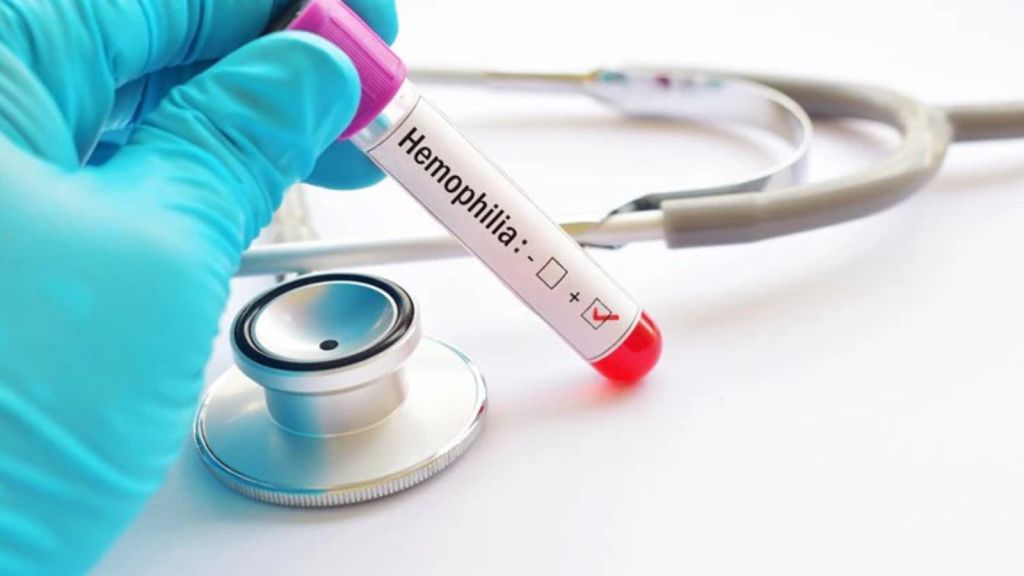 Funds available, but haemophilia patients still struggle for life-saving medicines. (Photo by iStock / Getty Images Plus)


 Share


