


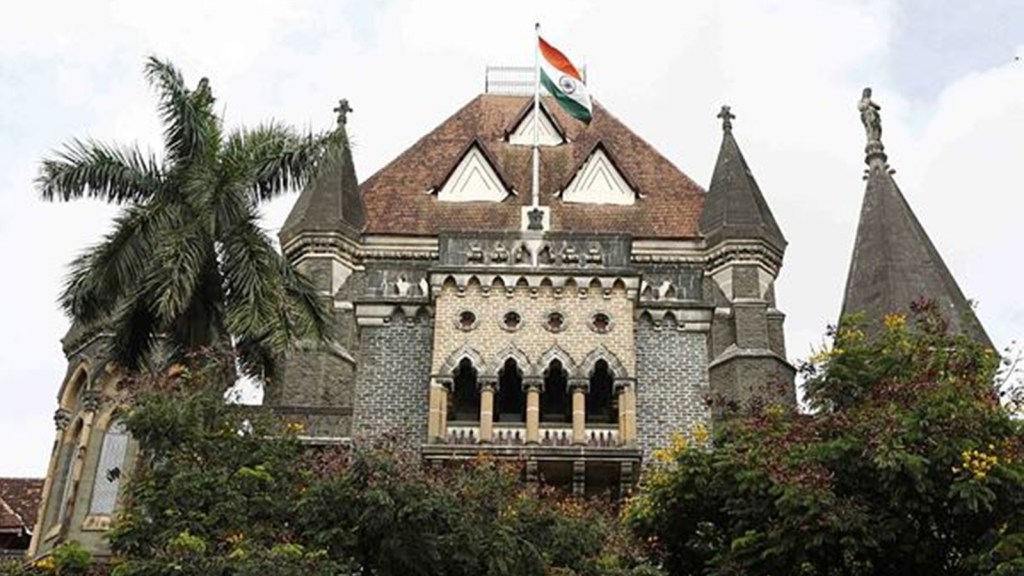


The Bombay High Court on Friday directed the Maharashtra government, the Centre and the Brihanmumbai Municipal Corporation (BMC) to file their affidavits in reply within six weeks to a PIL by a city-based gynaecologist seeking proper a mechanism for people to complete the procedure of making living wills and to die with dignity. It is a good public cause, the high court remarked.
A division bench of Chief Justice Devendra Kumar Upadhyaya and Justice Arif S Doctor was hearing a PIL filed by city-based gynaecologist Dr Nikhil Datar and two other professors seeking implementation of the Supreme Court order of January 24, 2023.

The living will, a written legal document, consists of an ‘advance medical directive (ADM)’ by a person about what treatment he or she would like to or not to avail at the end of their life along with preferences of medical decisions including pain management or organ donation.
A “living will” is usually made by terminally ill patients who know beforehand about their chances of slipping into a permanent vegetative state.
The Supreme Court had, in January last year, agreed to ease the procedure for passive euthanasia in the country. The apex court had agreed to consider amending the guidelines for executing a living will, including doing away with the requirement of seeking the jurisdictional magistrate’s approval for withdrawing or withholding life support to the terminally ill.
The apex court, while simplifying the process for living wills, had reiterated that the right to die with dignity is a fundamental right and declared that an adult human being who has the mental capacity to take an informed decision has the right to refuse treatment, including withdrawal from life-saving devices.
Datar’s petition sought compliance with the Supreme Court order that directed local municipal authorities to appoint a custodian to receive and keep citizens’ living will safe. He also sought implementation of the portion of the apex court order that directed the state governments to nominate a registered medical practitioner in each district to be appointed to a secondary medical board that verifies living wills.
Datar said that due to the absence of a mechanism of custodian, the living wills executed by citizens will have no sanctity of law and “it has kept many people away from exercising their fundamental right”.
A majority of citizens who have executed the AMD already are senior citizens or will be in future and therefore there is an absolute urgency in the matter, the petition claimed. Datar sought appointment of a custodian for the BMC and directions to the state Public Health Department to ensure that registered medical practitioners are nominated by the District Chief Medical Officer to enforce the Supreme Court order.
The PIL also sought directions to respondent authorities to create awareness among the public, hospitals and doctors to ensure that citizens who have executed living wills do not face hardships. The high court will hear the PIL after six weeks.