5 min readHyderabadApr 7, 2023 06:46 PM IST
First published on: Apr 7, 2023 at 03:27 PM IST
Fifteen years after 11 tribal women were allegedly gang-raped at gunpoint by an anti-Naxal special police team at a hamlet in Andhra Pradesh, a special court acquitted all the 13 accused policemen Thursday. The Special Court for SC and ST Prevention of Atrocities Act cum XI Additional District and Sessions Judge pulled up the investigation officer for doing a shoddy job, and directed that he be punished by the state government.
Special Judge L Sridhar ordered that the survivors be paid adequate compensation through the District Legal Services Authority. On August 20, 2007, a 30-member team of special branch police launched a combing operation in the early hours in a tribal hamlet under the undivided Visakhapatnam district. Eleven women belonging to a Particularly Vulnerable Tribal Group (PVTG) later alleged that they were raped and assaulted by 13 policemen. The women alleged that the police team swooped on the village just as all the men left to work in the fields, dragged women into huts, and raped them. The women complained to their men when they returned in the afternoon. They approached their sarpanch who informed then BSP MLA L Raja Rao. The MLA and tribals took the women to the deputy collector who then directed the police to register an FIR. A case was registered under Indian Penal Code Section 376 (2)(g) and Section 3(2)(v) of the SC and ST (PoA) Act, 1989.

The then state government had first appointed deputy SP (Visakhapatnam Rural) B Ananda Rao to investigate the allegations and later replaced him with former police officer M Sivananda Reddy. Reddy was SP of Crime Branch (CID) at that time. Reddy later took voluntary retirement and joined the Telugu Desam Party and contested from Nandyal in 2019 and lost.
Lawyers on behalf of the policemen countered that Maoists had forced the women to foist false cases of rape against them to prevent anti-Naxalite combing operations, and argued that medical tests did not prove rape. The women, supported by tribal and SC and ST organisations, moved the high court which ruled that the medical test evidence presented before it did not prove rape. The policemen filed petitions to squash the case against them. The tribal organisations then approached the Supreme Court which in September 2017 directed the Special Court for SC and ST cases to start the trial and fast-track the hearing.
A prominent senior lawyer of Vijayawada, Sunkara Rajendra Prasad, was chosen by the survivors as the special public prosecutor which is allowed as per the SC and ST Act. “The police did everything they could to delay the trial. In spite of the court’s order, they did not produce the duty registers and other documents. The investigation officer did not even conduct an identification parade of the accused. The statements of the survivors were not taken for several days,” Prasad said.
Delivering his verdict, the judge found fault with the shoddy investigation and presentation of evidence by both officials. While Rao passed away while the trial was going on, the court held Reddy accountable for the lack of any evidence and acquittal of the accused policemen. The court directed that Reddy be referred to the Apex Committee which was constituted to inquire into complaints against the two investigating officers for trying to derail the probe and discredit the survivors’ statements and complaints. The judge directed that as the policemen were acquitted due to the shoddy investigation, the survivors are entitled to compensation and directed the District Legal Service Authority at Visakhapatnam to decide the amount of compensation and pay the survivors as soon as possible. Two of the eleven tribal women passed away while the trial was delayed for over 10 years and only began in March 2018.
VS Krishna, convenor of Human Rights Forum (HRF) which was one of the organisations that supported the tribals in their legal battle, said: “The verdict vindicates the long-standing allegation of women and Adivasi organisations that the investigation was compromised at the very inception of the case. We have consistently held that the investigation from day one was carried out to protect fellow police personnel and was, therefore, deliberately malicious. None of the procedures mandated by the criminal code was adhered to by the investigating officers.
“Also, the medical examination followed by the forensic process was deeply vitiated. The tribal survivors have stood steadfast in their demand for justice. Despite being illiterate in more ways than one, they never gave up their struggle, bravely faced humiliation, subjected themselves to strenuous cross-examination in a language that was alien to them and patiently waited for justice all these years. Now we have to ensure that the women are paid the compensation. It has been a long wait.”

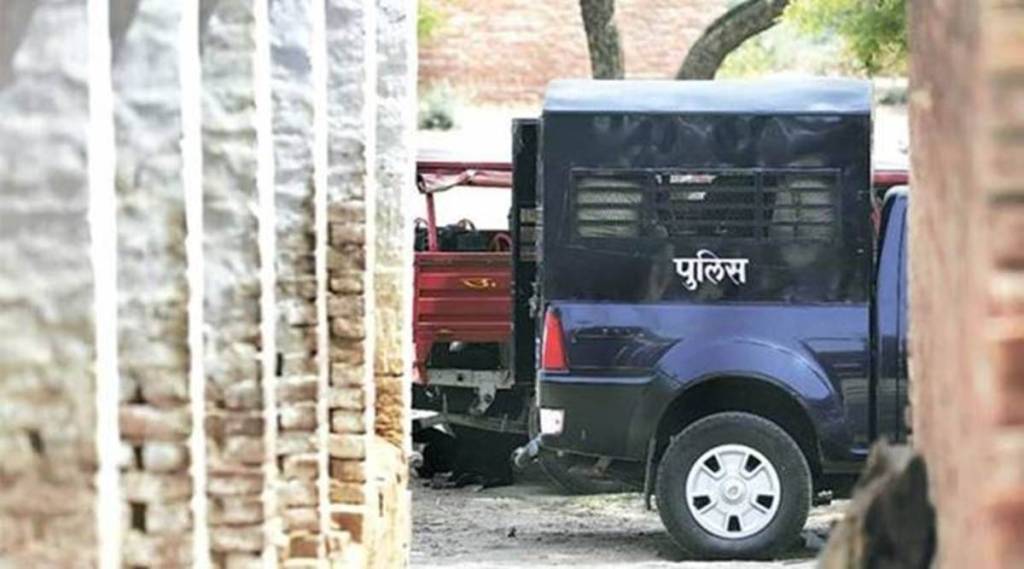 A prominent senior lawyer of Vijayawada, Sunkara Rajendra Prasad, was chosen by the survivors as the special public prosecutor which is allowed as per the SC and ST Act. (Representational/ File)


 Share


