


Stay updated with the latest - Click here to follow us on Instagram
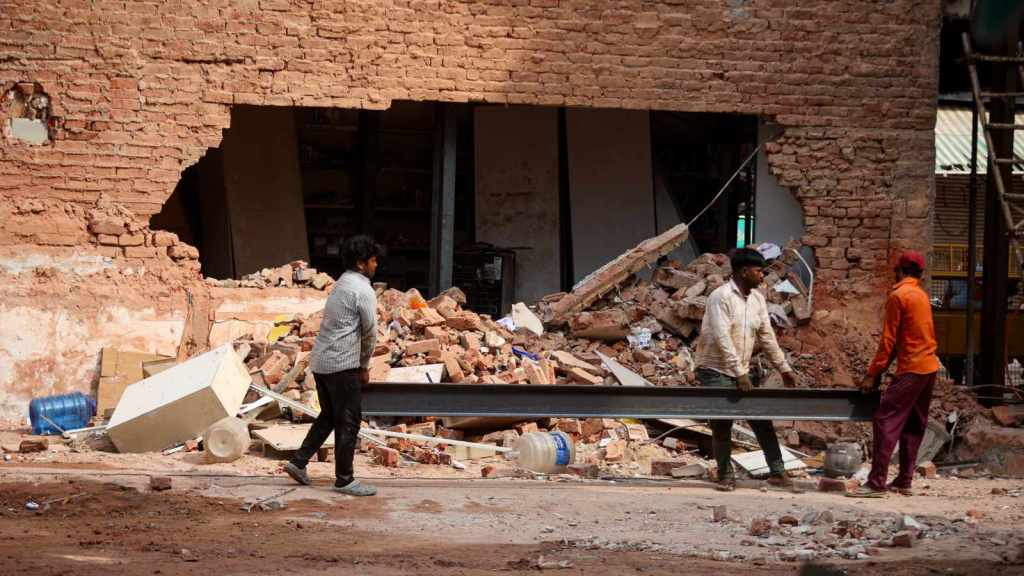 The college, and several others in Delhi University’s (DU) South Campus, had opened their doors to students who no longer felt safe in their PGs after the building collapsed. Five of the seven dead in the collapse were DU students.
When the building next to his PG collapsed in Satya Niketan on Sunday, Janardhan did not know where he would sleep that night. Like several other students who fled the neighbourhood in panic, he went to his college, Sri Venkateswara College.
Two classrooms were cleared to make way for mattresses on the floor. Coolers and fans were brought in. Tea, patties and dal, chawal and sabzi were arranged. Seventy-two students – 46 boys and 26 girls – spent the night in the college.
They had an unusual neighbour – on a cot, Principal Prof Vajala Ravi slept through the night alongside them.
The college, and several others in Delhi University’s (DU) South Campus, had opened their doors to students who no longer felt safe in their PGs after the building collapsed. Five of the seven dead in the collapse were DU students.
Priyansh, a second-year BCom student, who spent the night at Sri Venkateswara College, said breakfast, lunch and dinner were served the next day, and the college began accommodating students from other institutions too.
Prof Ravi had rushed to the collapse site soon after hearing about the news. What he saw – JCBs, rescuers, police and students helping with the rescue – left him distressed.
“I returned to my college and thought it should remain open for people in need,” he said.
His biggest concern was for the girls. “After dark, they are more vulnerable in a city like Delhi, so we made separate arrangements for them,” he said.
When he told his staff that the college would remain open, they stepped in to help, he said. “Even the tent contractor who supplied the food and sleeping arrangements refused to charge for it,” Prof Ravi added.
Sri Venkateswara College was not the only college that came to the aid of the displaced students.
At Maitreyi College, another South Campus college, a hall in the academic block was turned into a temporary shelter for women students.
Initially, the college planned to accommodate only its own students. “But then many of the students said that their friends from other colleges, who lived with them in the PGs, had nowhere to go. So, the college decided to accommodate them as well,” said Ananya Shukla, a second-year undergraduate student, who coordinated the efforts.
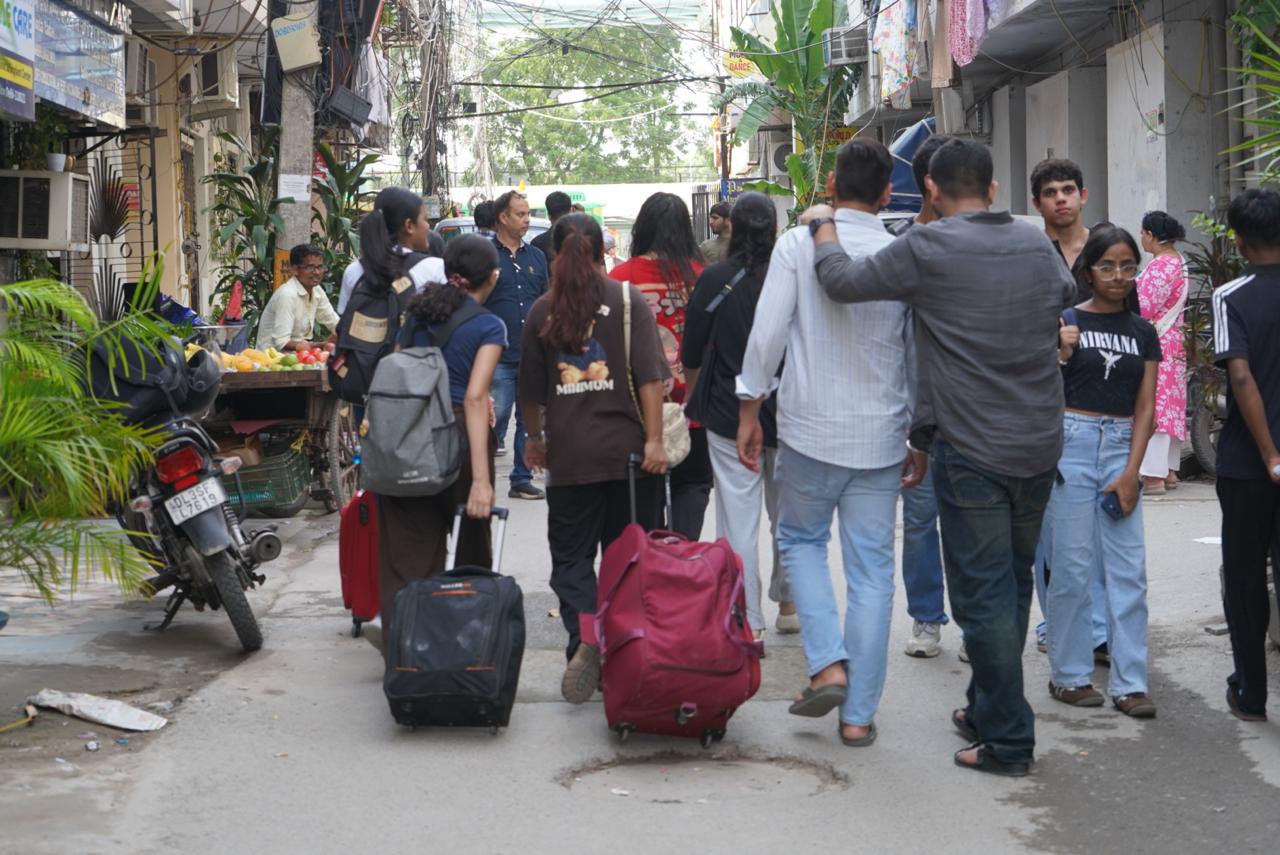 Students vacate their PGs in Delhi’s Satya Niketan on Wednesday. (Photo by Afshana Ali)
Thirty girls slept at the college on the first night, on mattresses spread across the floor. By Wednesday, the number had fallen to 11, with some returning home and others finding new accommodation.
The students were served meals in the hostel mess. “Our teachers and volunteers provided all the supplies, including toothbrushes and mosquito repellents. Some students came without any belongings because their PGs got sealed,” said Shukla.
Like Maitreyi College, the number of students seeking shelter at Sri Venkateswara College has dwindled over the days. Prof Ravi, however, reiterated, “Our gate is still open for any student who needs it.”
Stay updated with the latest - Click here to follow us on Instagram