As her car halts at Delhi’s traffic signals, an oft-repeated encounter always leaves an ache in Patricia Loison’s heart. “Looking at the children selling things at these traffic signals, I often think, ‘This could have been me’. So I lock my heart up and pretend that I did not see anything,” she says.
Fifty-four years after she left India in July 1971 — she was adopted from a Delhi orphanage by Paris residents Gisèle and Christian Loison when she was just six months old — Loison returned to the national Capital in September last year as the first Indian-origin director of Alliance Française, the French language school.

Loison, who is currently working on her third book, which is based on the street children of Delhi, says, “I never had the chance to work in Delhi earlier. I was not ready then. But now, in my 50s, I feel ready.”
An undated photo of Patricia Loison with her adoptive father Christian Loison. (Special Arrangement)
Stating that she finds her role at Alliance Française fitting — “a perfect blend of Indian origin and French identity” — says she hopes to set up a media literacy institute in France upon her return after her three-year tenure at the institute in New Delhi.
Having spent her childhood in a Parisian suburb with her adoptive parents and her brother Franck, who was adopted from Lebanon, Loison is a former journalist who has authored two French books, a biographical novel, titled Je cherche encore ton nom (I’m still looking for your name), and a book on her years in Japan, titled Ceinture de soie (Silk belt).
Loison, who hopes to trace her birth family some day, said she first discovered that she was adopted when she was 13 years old.
Patricia Loison was her adoptive mother Gisèle Loison. (Special Arrangement)
“I was so loved that I never felt the need to look for my biological family. Though we did not have the same skin colour, it took me really long to understand that though my adoptive parents were my parents, they were not the reason why I was on this Earth. Besides strangers, despite my skin colour, my peers never treated me differently,” she says, sitting in her third-floor office inside Alliance Française on Delhi’s Max Muller Marg.
Soon, a teenage Loison started educating herself about adoption “by watching movies and reading books”. In 1996, she said she met her husband Gregory Claude Jamet in a night club.
“He invited me to dance with him and asked me out on a date the next day. We hung out in Saint-Malo (a port city near Paris), a very romantic place. Soon, we started dating and eventually got married in 1999,” she says.
Though Loison was never at odds with her adoptive status, she said everything changed when she gave birth to her first child, her daughter Luna.
An undated photo of Patricia Loison’s daughters Luna and Violette. (Special Arrangement )
“I finally understood what it means to be a mother and the bond a child shares with their biological parents. My mental state shifted. All I felt for my adoptive mother was rejection,” she says.
Confessing that she was “very harsh” towards her adoptive mother after Luna’s birth, Loison says, “I did not recognise myself… For me, the fairy tales (of a good adoptive family) blew up soon after I gave birth. It is okay when you have a normal family tree. However, when one branch is missing, it reminds you of what is missing — your biological mother.”
Patricia Loison with her adoptive parents Gisèle and Christian Loison, and her brother Franck, who was adopted from Lebanon and is currently a hotel manager at a hotel in South Korea. Special Arrangement
Though she said she spoke to her adoptive mother about it later, her question — “Who are my parents?” — always remained unanswered. When her own daughters, Luna and Violette, asked questions about their maternal lineage, Loison said she has never had any answers.
Patricia Loison flanked by her daughters, Luna (left) and Violette (right). (Special Arrangement)
“There was no Angelina Jolie path for me in the 1970s,” she says, referring to the American actor, who famously took her adopted children back to their native countries, taught them their mother tongue and exposed them to their culture.
Talking about her adoptive parents, Loison says, “Initially, my father was a pastry chef. He did many jobs before starting his own company that provided building supplies. My mother worked as an accountant in his company itself. My adoptive family did not have the means to fly me to Delhi and back, or help me stay connected to my roots.”
An undated photo of Patricia Loison’s adoptive parents Gisèle and Christian Loison. (Special Arrangement)
Pointing to a file containing her adoption papers that she takes with her everywhere, Loison says, “Thankfully, my mother kept all my adoption records and stayed in touch with the orphanage.”
Stating that “being abandoned is very painful”, she adds, “Adoption is a blessing. I was left here (in Delhi) at an orphanage, the lowest strata of society. It might not mean anything personally, but socially it does.”
Patricia Loison flanked by her family — (from left) husband Gregory Claude Jamet, adoptive mother Gisèle, daughter Luna, adoptive father Christian and younger daughter Violette. (Special Arrangement)
In 2016, during a sabbatical from journalism, Loison moved to Japan with her husband and two daughters. In Japan, she said she started writing about her own life and came out with her debut novel.
Invited to New Delhi for ‘Bonjour India’, a literary festival organised by the French Embassy in the national Capital in 2022, Loison finally stepped foot in New Delhi in September last year as the director of Alliance Française.
(From left) Daughter Violette, Patricia Loison, husband Gregory Claude Jamet and younger daughter Luna. (Special Arrangement)
To a question on whether she feels ambivalent about Indian culture, she replies, “I am totally French. That is both the most wonderful and the terrible thing about adoption. Being abandoned as a baby, I have no connection with my original culture. I reached France when I was six months old. It’s like a sapling being uprooted from its first spot. You are lucky to grow in another place, but you cannot expect to be replanted at your original spot.”

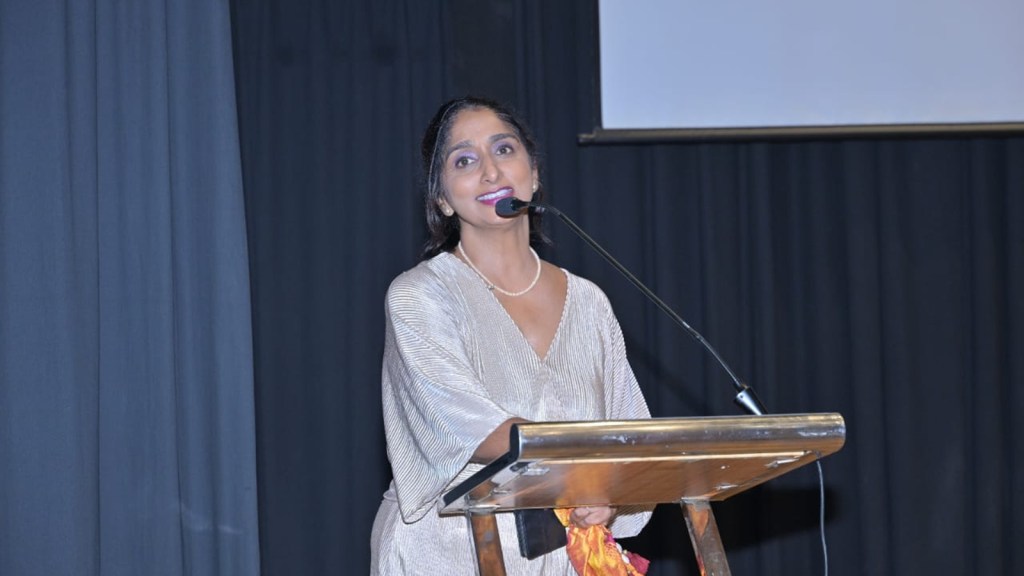 Patricia Loison is the first Indian-origin director of the New Delhi-based Alliance Française, the French language school (Special Arrangement)

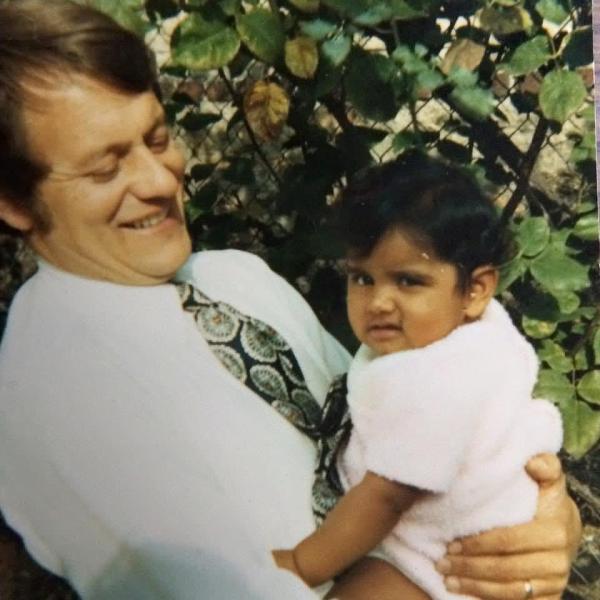 An undated photo of Patricia Loison with her adoptive father Christian Loison. (Special Arrangement)
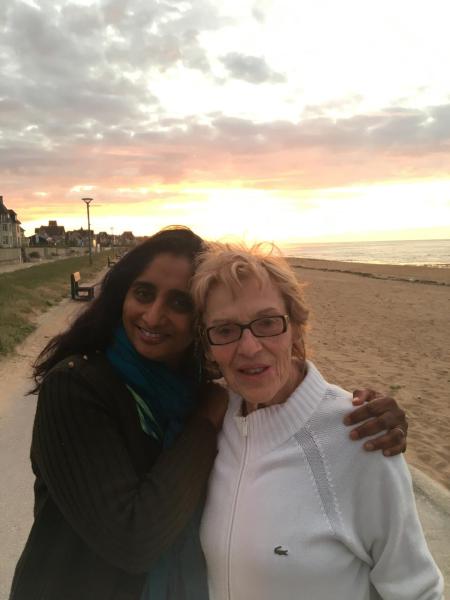 Patricia Loison was her adoptive mother Gisèle Loison. (Special Arrangement)
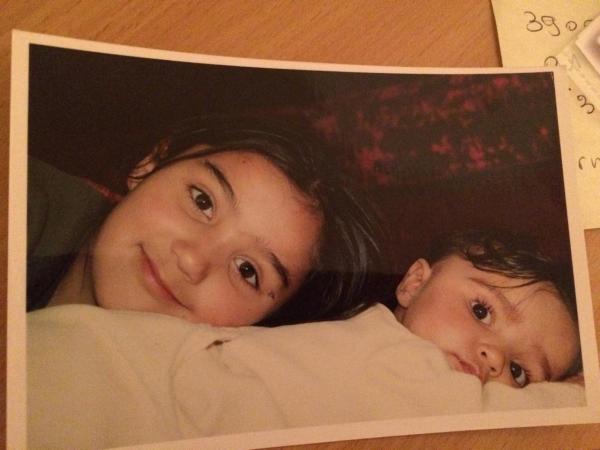 An undated photo of Patricia Loison’s daughters Luna and Violette. (Special Arrangement )
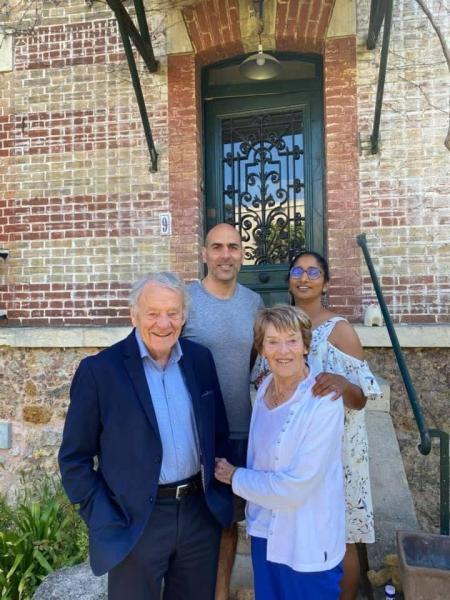 Patricia Loison with her adoptive parents Gisèle and Christian Loison, and her brother Franck, who was adopted from Lebanon and is currently a hotel manager at a hotel in South Korea. Special Arrangement
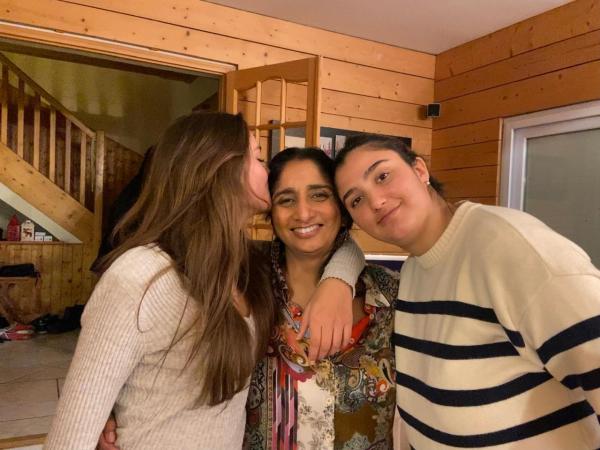 Patricia Loison flanked by her daughters, Luna (left) and Violette (right). (Special Arrangement)
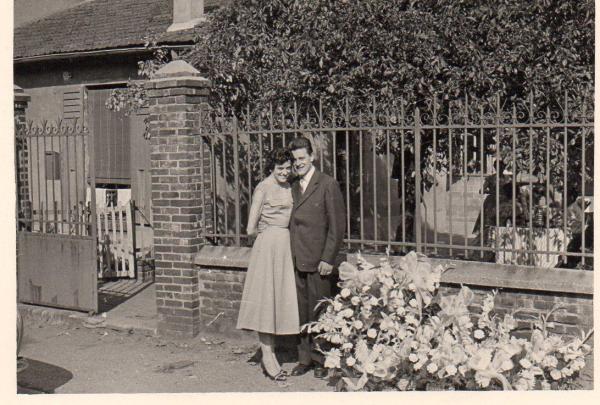 An undated photo of Patricia Loison’s adoptive parents Gisèle and Christian Loison. (Special Arrangement)
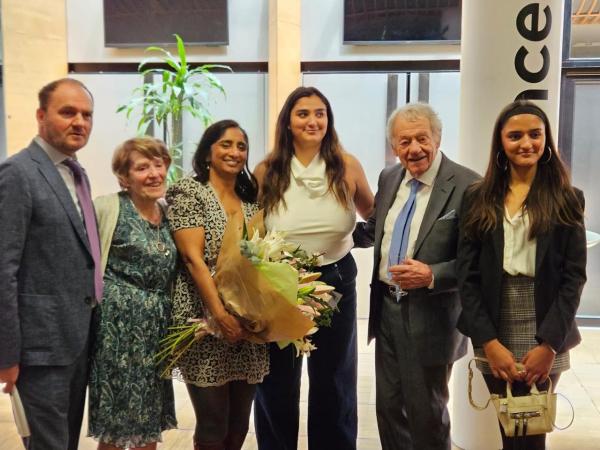 Patricia Loison flanked by her family — (from left) husband Gregory Claude Jamet, adoptive mother Gisèle, daughter Luna, adoptive father Christian and younger daughter Violette. (Special Arrangement)
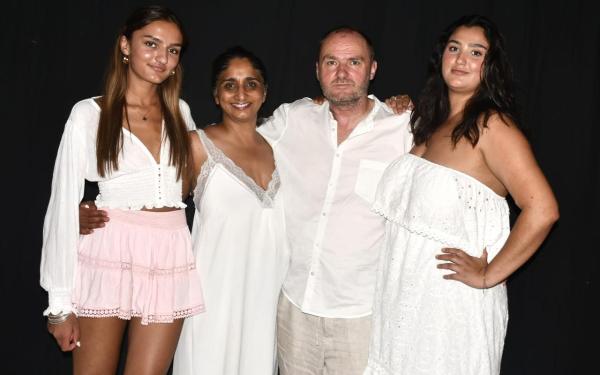 (From left) Daughter Violette, Patricia Loison, husband Gregory Claude Jamet and younger daughter Luna. (Special Arrangement)


 Share


