3 min readNew DelhiMar 5, 2025 05:15 AM IST
First published on: Mar 5, 2025 at 05:15 AM IST
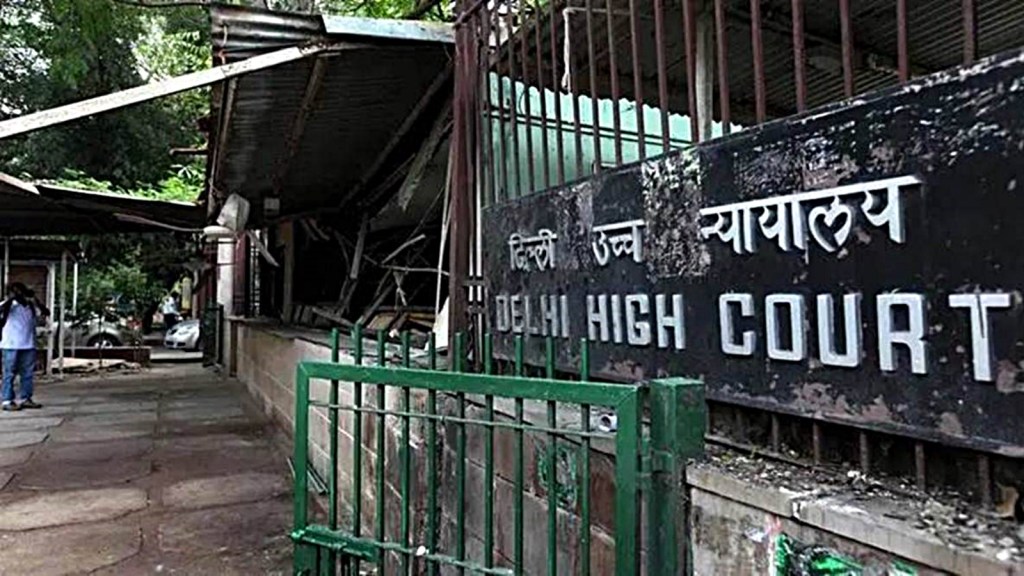
The Delhi High Court has held that “there can be no doubt that joint trials ought not to be carried out between a child in conflict with law [CCL] (being tried as an adult) and an adult offender.”
Justice Anish Dayal was dealing with a revision petition filed by a CCL linked to a murder case, seeking that a May 23, 2022, order by a sessions court in Tis Hazari be set aside. The sessions court had rejected the CCL’s request to stop the ongoing joint proceedings of the CCL with an adult accused in a 2016 FIR lodged at the Nangloi police station.

The case pertains to the death of a teacher following the alleged assault by the accused.
Following a preliminary assessment, the Juvenile Justice Board (JJB) had directed on January 9, 2017, that it is satisfied that there is a need for trial of the CCL as ‘adult offender’. The JJB transferred the case to the designated children’s court as per Section 18(3) of JJ Act 2015. Chargesheets for both the CCL and co-accused were tagged together in September 2018, and charges were jointly framed against both in December 2018. The CCL then sought that the joint trial be stopped.
Under Section 15 of Juvenile Justice Act 2015, the JJB conducts a preliminary assessment, where a CCL between 16-18 years of age, who allegedly committed a heinous offence, is assessed on their mental and physical ability; their ability to understand the consequences of the offence and the circumstances in which they allegedly committed the offence. Based on the assessment, they can be transferred to Children’s Court for trial as an adult under provisions of the JJ Act 2015.
On Monday, however, Justice Dayal held, “…as per plain reading of Section 23 of JJ Act… there can be no doubt that joint trials ought not to be held between a child in conflict with law (being tried as an adult) and an adult offender… The only issue arises that the adult offender also is tried before the same Sessions Judge who is a designated Children’s Court. Though the trial would involve effectively the same set of witnesses and revolve around the same issues, Section 23 of JJ Act prohibits the same and there ought to be a separate set of trials for both.”
“Even though, at first blush, this may seem like an unnecessary exercise, it would sanitise the process and bring it in consonance with the provisions of the Act and in tune with the legal mandate. Considering the prohibition is to ‘joint proceedings’, there can be no doubt that the CCL must be tried independently from the adult offender and the recording of evidence relating to the rest of the witnesses and the final tail end of the trial including the arguments, ought to be conducted independently,” Justice Dayal recorded.

 Following a preliminary assessment, the Juvenile Justice Board (JJB) had directed on January 9, 2017, that it is satisfied that there is a need for trial of the CCL as ‘adult offender’


 Share


