3 min readSep 4, 2026 01:31 PM IST
First published on: Sep 4, 2026 at 12:07 PM IST
Granting bail to AAP leader and former Delhi minister Satyendar Jain in the alleged multi-crore sewage treatment plant (STP) tender scam, a Delhi court on Thursday noted that none of the corrigendums that changed the specifications of the work were approved by him.
Jain did not sign corrigendums
Special Judge Dig Vinay Singh of Rouse Avenue Court said all the corrigendums – a formal correction for a mistake found in a contract or notice after it has been published or released – were approved and signed by former Delhi Jal Board (DJB) CEO Udit Prakash Rai, who is also an accused in the case.

“None of the corrigendums that changed the specification of the work was approved by the applicant. All were approved and signed by the CEO, Udit Prakash Rai (A-2),” the judge said.
Allegations primarily against other accused
The court said the allegations in the case were primarily against the other accused, while Jain’s alleged role was that of the minister who was allegedly in conspiracy with them and aided the illegal transactions.
“…even if the statements on record and the materials gathered are taken into account, the applicant’s complicity will have to be established at trial, and, if convicted, the applicant will be sentenced,” it added.
The court said that a few decisions taken by Jain raised eyebrows, but the same couldn’t be the reason to deny him bail.
“A few decisions taken by the applicant… as evident from the contents of the notes… do raise eyebrows, and he may not be innocent, but by themselves they are not enough at this stage to deny bail. The investigating agency ought to have first conducted a thorough investigation and gathered more evidence before rushing to arrest him,” it added.
No direct link to alleged kickbacks
The court noted that there were no WhatsApp chats, call records or SMS messages that, at this stage, connected Jain to the alleged kickbacks and hawala transactions involving the other accused.
“Prima facie, none of the WhatsApp chats links the applicant,” Judge Singh said, adding that there were no other phone records or SMS messages that might at present connect him to the alleged transactions.
27-month gap in arrest
Further, the court questioned the “unexplained and extraordinary” 27-month gap between registration of the FIR and Jain’s arrest.
The FIR was registered on May 11, 2024, while Jain, Rai and four others were arrested on August 18 this year.
The court said the delay indicated that the investigating agency had not considered Jain’s physical custody necessary for more than two years. It also said the prosecution had failed to identify any new circumstance that warranted his arrest after such a prolonged gap.
Evidence already seized
The court noted that the case largely rested on documentary and electronic evidence, including notes, files, technical proposals, minutes of meetings and bank transaction statements. These materials had already been seized by the ACB, it said.
The court also noted that the ACB had not sought police custody of Jain, indicating that there was no active requirement for custodial interrogation.

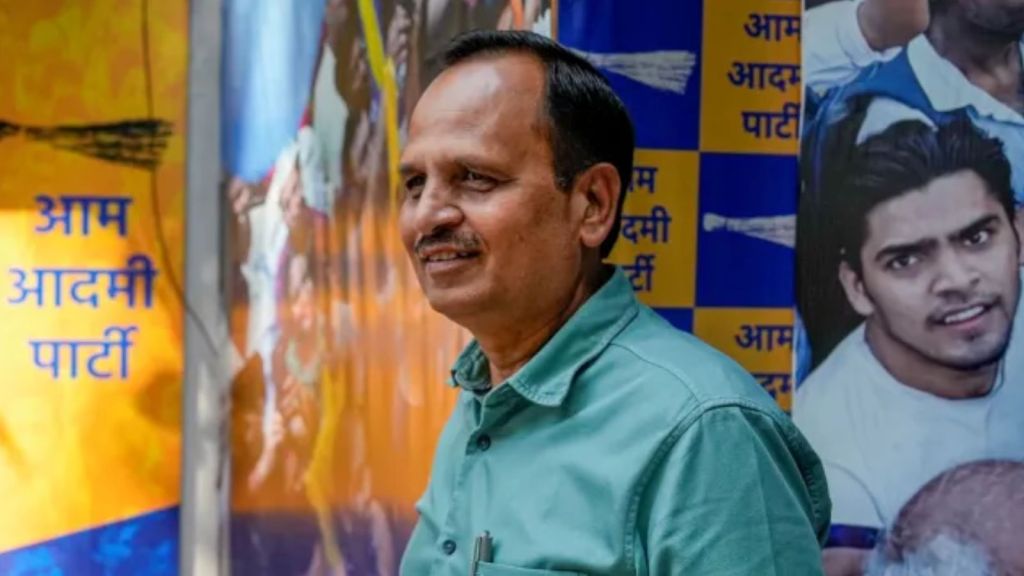 Satyendar Jain gets bail in STP tender scam case as Delhi court notes no direct link to alleged kickbacks and questions 27-month arrest delay.


 Share


