


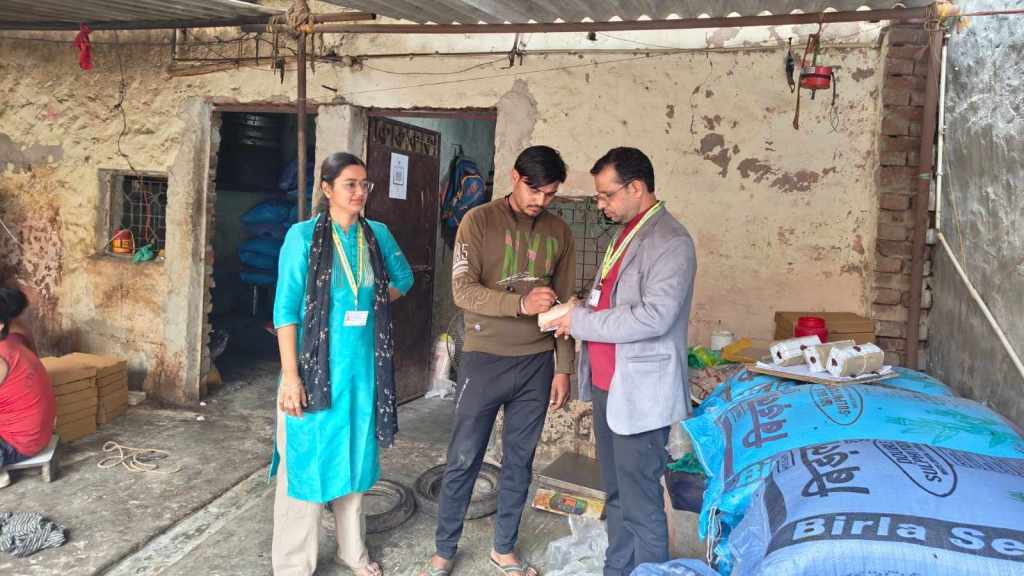


More than 400 kg of boondi and 400 kg of rasgulla were destroyed in Noida on Wednesday after being found “unfit for consumption” during raids on small retail and wholesale sweet outlets in the city by authorities.
On Wednesday, three teams of the food safety department fanned across Noida and Greater Noida, as part of an ongoing set of raids ahead of Diwali.
In a sweet-making unit in Bilaspur in Greater Noida, a team comprising Food Safety Officers O P Singh and Amar Bahadur Saroj inspected the large aluminium and steel containers storing rasgullas and gulab jamuns there.
“After taking out rasgullas from one such container, the sweets were found in a contaminated condition and appeared unfit for human consumption. The remaining approximately 100 kg of rasgullas were destroyed because flies and mosquitoes were found in them,” an official said. He said the sweets were emptied into a large pit and disposed of.
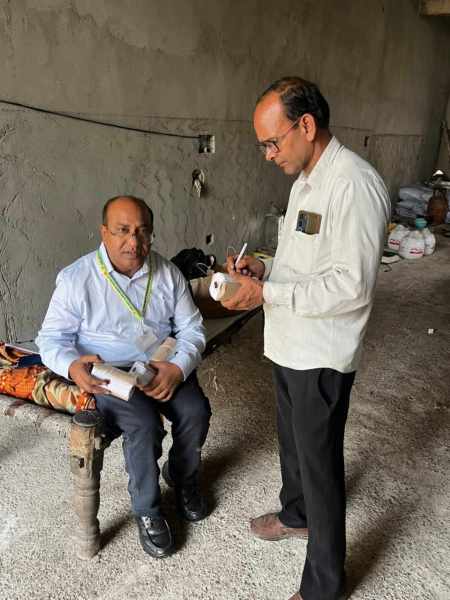 On Wednesday, a total of seven samples were collected
They collected one sample each of chhena (a dairy product used in making sweets) and rasgulla for testing. The same team also collected a sample of boondi ladoo from a sweet-making unit in Noida Sector 58, a few kilometres away.
Another team of officers collected samples of rasgulla, boondi ladoo and boondi from a sweet making unit in Noida Sector 62.
Assistant Commissioner (Food)-II Sarvesh Mishra said that around 450 kg of boondi was seized and approximately 300 kg of rasgullas destroyed at the unit since they were found to be stored in “unhygienic conditions with flies and mosquitoes circling and sitting on them.”
Story continues below this ad
“Since sweets were being manufactured in extremely unhygienic conditions at the unit, action is being taken to suspend its licence until improvements are made. Operations have been prohibited in the meantime, he added.
On Wednesday, a total of seven samples were collected and all food business operators were instructed to purchase supplies only from suppliers licensed or registered under the Food Safety Act .
“They have also been directed to check manufacturing dates, batch numbers and other details before accepting food supplies and selling them to consumers,” Mishra added.