In an application moved by activist Devangana Kalita, an accused in the 2020 North East Delhi riots case, to seek a list of evidence used by the prosecution in the trial, the Delhi High Court on Thursday directed that the trial court may continue hearing the arguments on the framing of charges but not pass a final order.
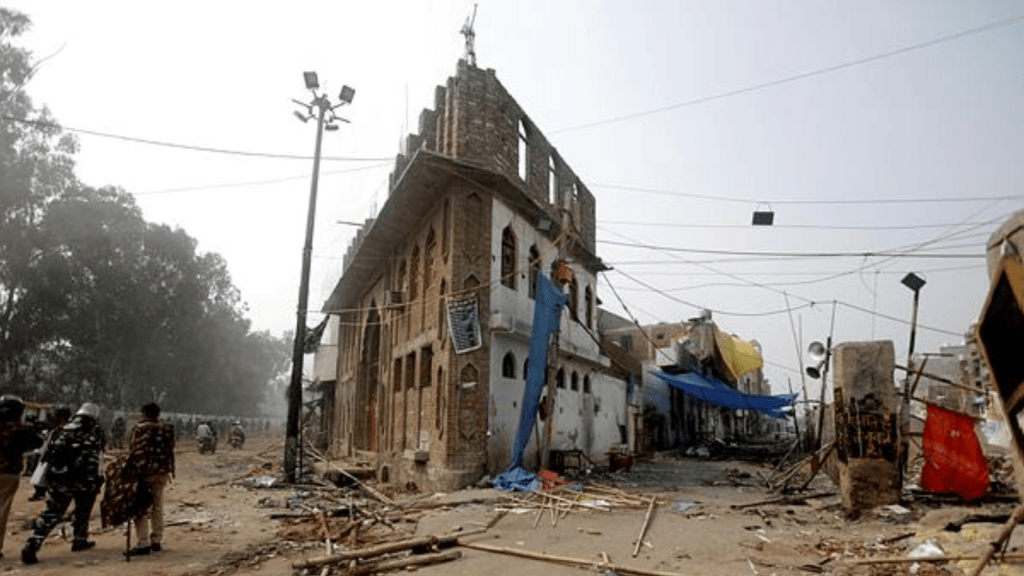
Kalita along with others is facing charges of pre-planned conspiracy to allegedly spark riots in North East Delhi between February 23, 2020, and February 25, 2020. The accused have been charged under the provisions of the Indian Penal Code (IPC), Prevention of Damage to Public Property (PDPP) Act, Arms Act, and Unlawful Activities (Prevention) Act 1967 (UAPA).

In her application before the Delhi High Court, Kalita has sought the documents which are being relied on by the prosecution but have not been supplied to her. These include CCTV footage and a video clipping, which purportedly shows Kalita sitting at a Metro station and protesting, WhatsApp chats, as well as a list of the “unrelied upon” documents by the prosecution, in compliance with Section 207 of the Code of Criminal Procedure (CrPC).
Under the CrPC, unrelied upon documents are documents that are not used by the prosecution, but are still relevant to the case.
On August 5, 2023, the trial court at Shahdara said that it is not required to supply all the WhatsApp chats to the accused under CrPC Section 207. After Kalita moved the Delhi High Court on November 10, 2023, the prosecution sought an adjournment before the bench of Justice Neena Bansal Krishna on the ground that the Special Public Prosecutor in the case and arguing counsel Amit Prasad was not available as he was at the trial court.
However, Kalita’s counsel objected to the request following which Prasad briefly joined in through video conferencing, opposing the maintainability of the plea. Prasad said, “Petitioner approached by way of CrPC section 207 (scrutiny of relied on evidence documents), it was decided (by the trial court) on August 5 last year…Statutory remedy against any decision on CrPC section 207 was in appeal before division bench (of the Delhi HC) under Section 21 of the NIA Act, petitioner does not take any step to file an appeal before the division bench.”
Section 21 of the National Investigation Agency Act on appeals arising out of orders by special courts or high courts.
On Thursday, Kalita’s counsel pointed out that interlocutory orders, such as the one of August 5, 2023, shall not require to be appealed before a high court division bench. Kalita’s counsel added Prasad’s objection “is perhaps mischievous”.
Following the submission, Justice Krishna orally remarked to Special Public Prosecutor Prasad, “Are orders under CrPC Section 207 interlocutory or substantive order?…then where shall this person go?”
The prosecution then sought time to get back on the court’s queries.
The Delhi High Court has now kept the matter for further consideration on September 23.



 Share


