4 min readNew DelhiNov 27, 2024 11:32 AM IST
First published on: Nov 27, 2024 at 11:30 AM IST
The concentration of particulate matter in Delhi’s air is not only causing respiratory distress in individuals but also impacting their bodies as a whole.
Once PM 2.5 reaches the lungs through inhaled air, it enters the bloodstream and and is carried to different organs, affecting nearly all organ systems, especially cardiovascular, neurological, hormonal, and nephrological organ systems.

According to Dr Mayank Saxena, Additional Director-Pulmonology at Fortis Hospital, Noida, pollutants like particulate matter (PM) 2.5 are so microscopic that they can reach the lungs through inhaled air and then cross over into the bloodstream.
How does it affect the brain?
Dr Saxena says studies show that prolonged exposure to pollution causes brain fogging, leading to cognitive decline and reduced IQ during the developing phase, causing early dementia, Alzheimer’s, and Parkinsonism. From the cognitive or behavioural aspect, we may see paediatric populations with slow learning, autism, learning disabilities, and poor concentration, also affecting the overall intellectual abilities of the person.
These effects are not acute but rather chronic, so these problems may not be visible right now. But considering the level of exposure every individual has to poor AQI, the future doesn’t look promising and we may see a sharp rise in cases affecting people’s IQ, besides the neurological effects, he said.
Effect on cardiovascular health
Exposure to poor-quality air causes pollutants to travel deep into the bloodstream, causing a decrease in blood flow and reducing the heart’s pumping function leading to arrhythmia, heart failure, or even stroke, Dr Saxena said. Though there are many confounding factors with lifestyle issues and people eating more junk food and having exposure to smoking, the combined effect of pollution may cause more severe symptoms in some groups of patients. Moreover, these pollution days coincide with the cold season which in itself is a risk factor for cardiac diseases.
Can pollution impact bowel movements?
Exposure to particulate matter like NO2, O3 alters gastrointestinal (GI) motility, mucus secretions and causes chronic diseases like Inflammatory bowel disease (IBD). “We see a lot of patients coming with altered bowel habits during these days. It is still very early to indicate that all these cases are related to pollution, but we can say that pollution can definitely increase such symptoms and their severity,” he added.
How does it affect the eyes?
Air pollution triggers allergies with redness, itching, discharge, and swelling of the eyes. This even causes dry eyes and allergic conjunctivitis. So it is important to wash your eyes and face once a person has returned from polluted areas as continued exposure can affect the eyes. Wearing spectacles may not help much in saving exposure as the air can still get in contact with the eyes and hence washing the eyes is the best option to reduce exposure to pollution, Dr Saxena said.
What is the impact on our hormones?
Increase in exposure to PM2.5, NO2, and O3 are linked to alterations in thyroid hormones, blunted immune function, type-2 diabetes and obesity. It leads to a significant decline in estrogen and follicle-stimulating hormone (FSH) levels, causing early menopause in women. It also reduces testosterone levels in men, causing low libido and energy, he explained.

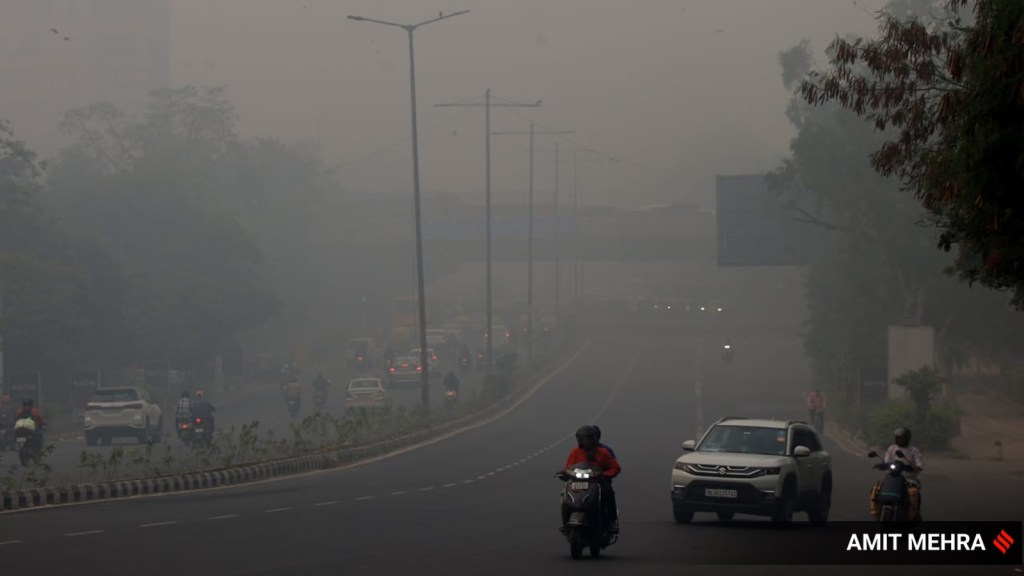 Commuters drive through a thick layer of smog as air pollution shoots up in New Delhi. (Express Photo By Amit Mehra)


 Share


