


Stay updated with the latest - Click here to follow us on Instagram
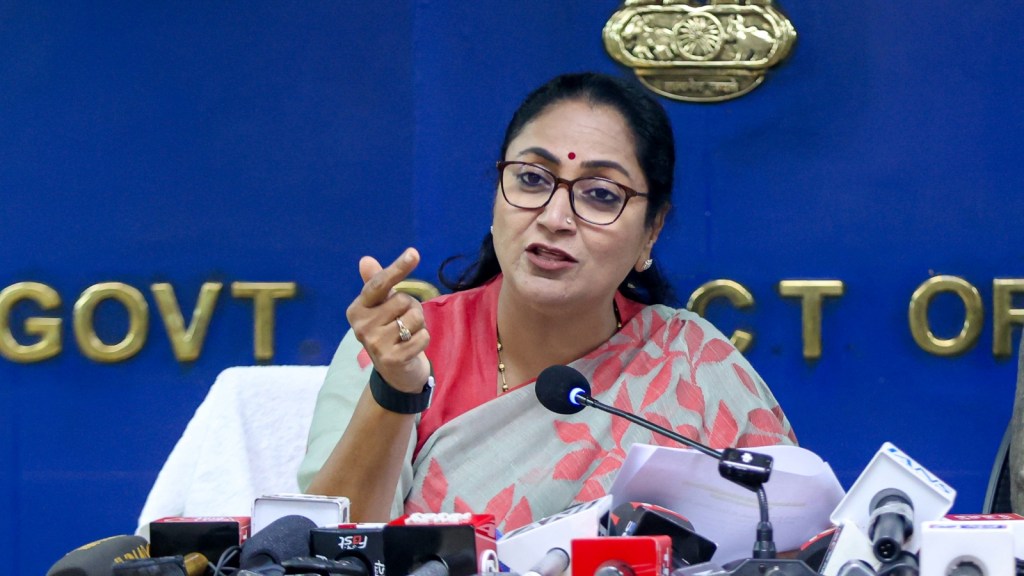 Chief Minister Rekha Gupta said GTB Hospital is the only major government hospital in East Delhi and continues to face a heavy patient load, with almost all of its beds occupied. (File)
In an effort to tackle heavy patient load and expand emergency care, the Delhi Cabinet on Tuesday approved the construction of a 250-bed super-speciality-cum-trauma block at Guru Teg Bahadur (GTB) Hospital in Dilshad Garden, East Delhi, at a cost of Rs 244.87 crore, officials said.
The block will be built within the existing GTB Hospital campus, thereby doing away with the need to acquire additional land, they added. The project will come up under Phase-IV of the Centre’s Pradhan Mantri Swasthya Suraksha Yojana (PMSSY), under which the Central and state governments share project costs.
Chief Minister Rekha Gupta said GTB Hospital is the only major government hospital in East Delhi and continues to face a heavy patient load, with almost all of its beds occupied. “In view of this, there was a need to expand modern trauma facilities for accident victims and critical emergency cases. Once the new block becomes operational, critical patients will have access to 24×7 emergency and trauma care, specialist treatment, diagnostics, surgery and intensive care at one place,” Gupta said.
According to the government, the seven-storey building will be spread over about 22,550 square metres and will have a basement, a ground floor and six upper floors. It will house 250 beds, including a 72-bed ICU, 48 specialist OPD rooms and nine operation theatres, an official said.
Of the total beds, 20 will be used for emergency care, five for a Burns ICU, 70 for ICU care, four for isolation, 22 for pre- and post-surgery care, 102 for general wards and 25 for private rooms, officials said. The basement will house a blood bank and laboratory, while the ground floor will have a round-the-clock emergency department, along with CT scan, MRI and X-ray facilities.
The fourth and fifth floors will have 175 general and private ward beds, while the sixth floor will house offices, classrooms and a laboratory for training doctors, according to the statement. Specialist services will include neurology, orthopaedics, dermatology and dental care, with 77 beds designated for critical care, an official said.
A committee comprising senior officials from the Central and Delhi governments will be set up to monitor the project and will meet every three months to review construction progress, officials said. The hospital block is targeted for completion by 2028.
Stay updated with the latest - Click here to follow us on Instagram