


Stay updated with the latest - Click here to follow us on Instagram
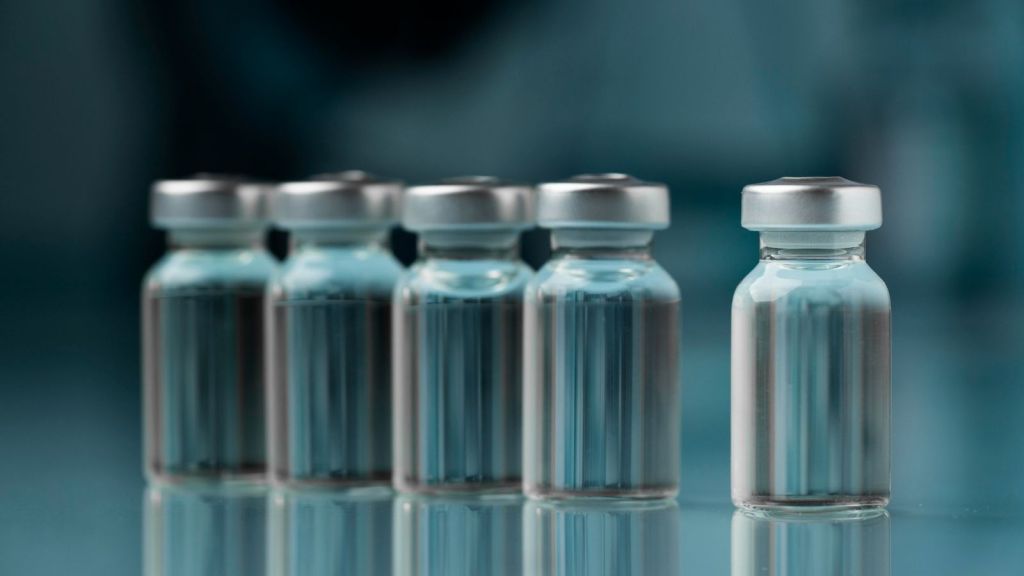 The seized vaccine vials carried the Abhayrab label but were found not to have been manufactured by Indian Immunologicals Ltd. (Image for representation: Magnific)
A raid at a flat in North Delhi’s Mukherjee Nagar earlier this year has exposed a fake rabies vaccine racket, according to a statement by the Central Drug Standards and Control Organisation (CDSCO) on Saturday. The top regulatory body said that spurious samples of human rabies vaccine Abhayrab were found during the searches — conducted by the Crime Branch and Delhi Police, along with Drugs Inspectors from the Drugs Control Department — at the flat in April. Four people were arrested after the raids.
Even as the vials, with Batch number KE25012, carried the Abhayrab label, testing confirmed it wasn’t made by Indian Immunologicals Ltd (IIL), the firm that holds a 40% share of the domestic rabies vaccine market and produces the vaccine. During the tests by the government’s Central Drugs Laboratory in Kasauli, a field sample of the vaccine did not meet potency requirements and was classified as “not of standard quality” and a “misbranded” drug, according to officials.
“The CDSCO drew vaccine samples from an unlicensed residential premises located at Mukherjee Nagar, Delhi,” Sunil Tiwari, Vice President, Quality Management, IIL, underlined in a statement on Friday. The CDL’s report, according to IIL, found 17 differences between the seized vials and the retention samples of the same batch held at the lab. These included discrepancies in labelling, artwork, QR code verification, cap colour, licence details and packaging text.
The genuine batch, the firm said, was released only after government checks, with all 83,370 vials supplied strictly through its authorised distribution network, and no market complaints were received against it. The IIL said it has shared its manufacturing and distribution records with CDSCO and asked authorities to trace the source of the counterfeit vials.
Earlier, in a communication dated August 27, the Drugs Controller General of India had asked all state drug controllers to step up vigilance on the batch’s movement and availability, and flagged the specifics of the misbranding to states for regulatory action.
Every batch of Abhayrab, IIL has said, undergoes independent government testing before release and that vaccines supplied through authorised channels, including hospitals and licensed pharmacies, were unaffected by the issue.
The case brings back to spotlight the rabies burden India has struggled to shake off for decades. A 2025 study by the Indian Council of Medical Research (ICMR), the country’s top medical research body, in The Lancet Infectious Diseases, based on a nationwide survey of nearly 79,000 households, estimated 5,726 human rabies deaths occurring annually in India, with three in every four animal bites in the country caused by dogs.
A rabies vaccine works by training the immune system to recognise the rabies virus and make antibodies against it. After an animal bite, if given quickly, it effectively builds immunity against the virus.
Abhayrab is a series of vaccine shots that a patient must receive after being bitten by a dog, cat, or any other mammal, ideally within 24 hours. Other common rabies vaccines areRabipur, Verorab, and Indirab.
India still accounts for 36% of the world’s rabies deaths, according to estimates by the World Health Organization, and nearly one in five bite victims never receives any anti-rabies vaccination at all, with almost half of those who start the course failing to complete it. These numbers make the integrity of the supply chain crucial for the life and death of thousands who are affected.
Stay updated with the latest - Click here to follow us on Instagram