Chandigarh saw traffic challans plunged by nearly 2 lakh cases or nearly 23 per cent in 2025, falling from 8.50 lakh in 2024 to 6.56 lakh in 2025, as on-ground enforcement eased and e-challaning took centre stage — a shift that also coincided with a 53 per cent drop in complaints against traffic police — raising questions over whether reduced human intervention, not just better compliance, drove the decline.
According to official data, a total of 8,50,628 challans were issued in 2024. This number dropped sharply to 6,56,465 in 2025, marking a reduction of nearly 23 per cent. In contrast, 2026 has so far recorded 1,76,453 challans up to March 31, indicating a renewed uptick in enforcement activity.

The data further reveals that the decline in 2025 was visible across most categories of violations. Cases of red light jumping, which constitute the bulk of violations, fell from 5,01,165 in 2024 to 4,17,474 in 2025. Similarly, over-speeding challans decreased from 1,47,605 to 95,252, while violations without helmets dropped steeply from 84,875 to 17,662.
According to police sources, the reduction coincided with a noticeable scaling down of manual challaning on the ground, as enforcement increasingly shifted towards CCTV-based digital systems.
A senior traffic police officer pointed out that the introduction and expansion of the e-challan system not only streamlined enforcement but also improved transparency. “With minimal human intervention, instances of confrontation between motorists and personnel reduced significantly,” the officer said.
This transition is also reflected in public feedback. As per official records, Chandigarh saw a 53 per cent drop in complaints against traffic police personnel during five months in 2025. Between August and December 2025, only 15 complaints were received, compared to 32 complaints during the same period in 2024.
Sources in the traffic police said most complaints were related to allegations of “wrongful challaning”, while a smaller number involved accusations of bribery. The decline in complaints was seen as a direct outcome of reduced physical interaction between violators and personnel due to automated enforcement.
Trend appears to be shifting in 2026
Field observations and departmental inputs suggest that traffic personnel have returned in larger numbers to key intersections and stretches, with manual challaning witnessing an increase alongside CCTV-based enforcement.
According to police officers, this is part of an enforcement strategy aimed at improving compliance and visibility on the roads.
Early 2026 data indicate that enforcement intensity may be rising again. For instance, red light jumping cases have already reached 1,13,163 in just three months, while over-speeding violations stand at 28,978. Similarly, zebra crossing violations have touched 28,389, suggesting stricter monitoring at pedestrian crossings.
Despite the fluctuation in challan numbers, revenue collection from traffic violations has shown an upward trajectory. The total revenue stood at Rs 15.47 crore in 2024, which increased to Rs 21.24 crore in 2025. In the first quarter of 2026 alone, Rs 4.50 crore has already been collected, taking the cumulative total over the three years to Rs 41.23 crore.
Police officers say the focus remains on deterrence rather than revenue. “The objective is compliance and road safety. Whether through cameras or personnel on the ground, enforcement strategies will continue to evolve,” an officer said.
100 body cameras for traffic cops to bring accountability
The Chandigarh Traffic Police has procured 100 new body-worn cameras for personnel deployed on traffic duty, with officials now set to wear these devices during routine checking and challaning to enhance transparency and accountability in enforcement.
According to DIG Sumer Pratap Singh, the cameras have been distributed among field staff and will be used during on-ground interactions with motorists.
The move comes after earlier body cameras became non-functional due to battery issues, prompting the department to upgrade its equipment.
Body-worn cameras, commonly used by police forces worldwide, are small recording devices attached to the uniform that capture real-time audio and video of interactions between police and the public.
According to police officers, the primary objective behind reintroducing these cameras is to bring greater transparency in the challaning process. Every interaction, from stopping a vehicle to issuing a challan–will now be recorded, creating a digital trail that can be reviewed in case of disputes or complaints.
Police sources said such systems help in addressing allegations of wrongful charging or misconduct, as recorded footage can serve as evidence. Similar initiatives in other regions have been aimed at improving accountability and ensuring professional conduct by personnel on duty.
The cameras are also expected to act as a deterrent against both errant motorists and any potential misconduct by officials, as both parties are aware that their actions are being recorded. In addition, the footage can be used for training purposes and internal reviews.

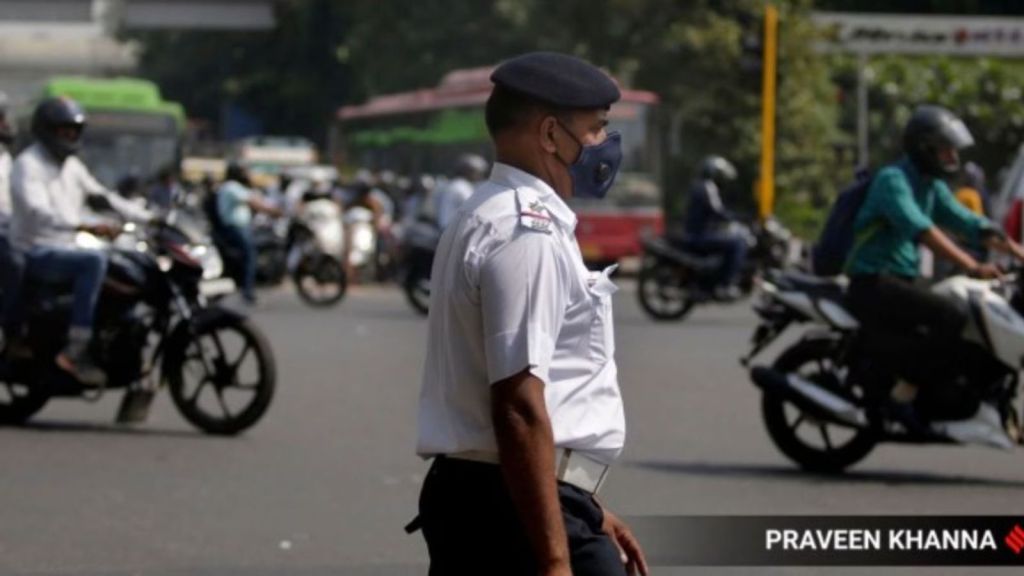 According to police sources, the reduction coincided with a noticeable scaling down of manual challaning on the ground, as enforcement increasingly shifted towards CCTV-based digital systems.



 Share


