
HC seeks Centre, Punjab response on PIL over relaxed rules for de-addiction drugs
The Punjab and Haryana High Court was hearing a PIL alleging repeated regulatory changes aimed at bypassing earlier court orders. It also warned of unchecked sale of psychoactive drugs.
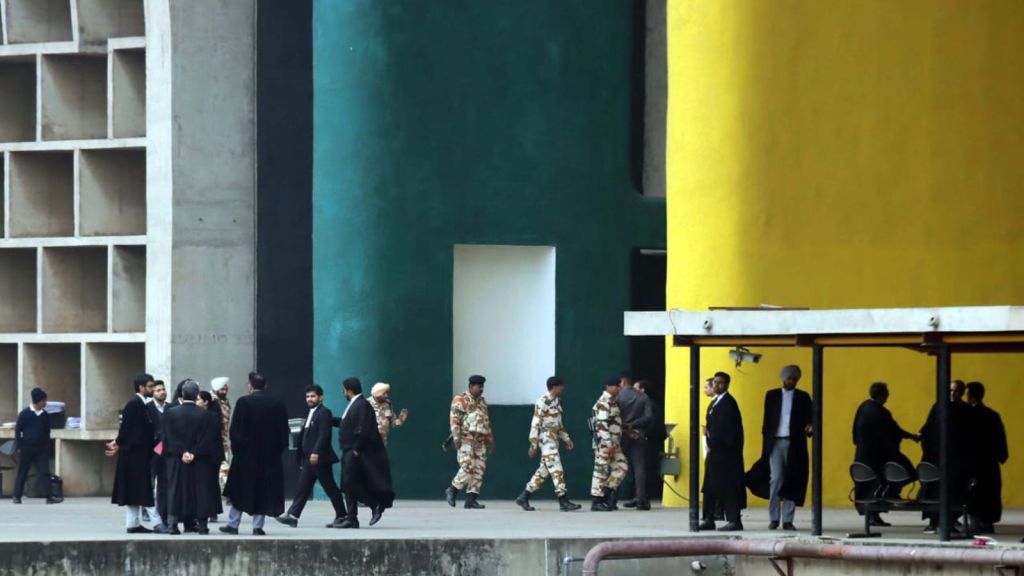 The bench observed that the issues raised were of public importance and directed the state and the Union government to seek instructions and file their responses. (Express photo)
The Punjab and Haryana High Court on Thursday issued notice to the Punjab government and the Union of India on a public interest litigation (PIL) filed by Dr Paramjeet Singh Ranu, raising concerns over the relaxation of regulatory conditions governing the dispensing of highly addictive de-addiction drugs such as buprenorphine and its combination with naloxone.
The PIL came up before a division bench of Chief Justice Sheel Nagu and Justice Sanjiv Berry, which sought responses from the Centre and the state on the issues raised, and fixed the matter for further hearing.

During the hearing, senior counsel for the petitioner submitted that the present petition was the fourth in a series of PILs on the same issue, with three earlier PILs and multiple special leave petitions pending. He said the Drugs Controller General of India had, on March 28, 2019, relaxed the conditions for dispensing buprenorphine-based drugs at the behest of a Punjab-based Association of Psychiatrists, allowing supply not only at designated government-run de-addiction centres but also at private psychiatric clinics and hospitals.

 Share


