


Stay updated with the latest - Click here to follow us on Instagram
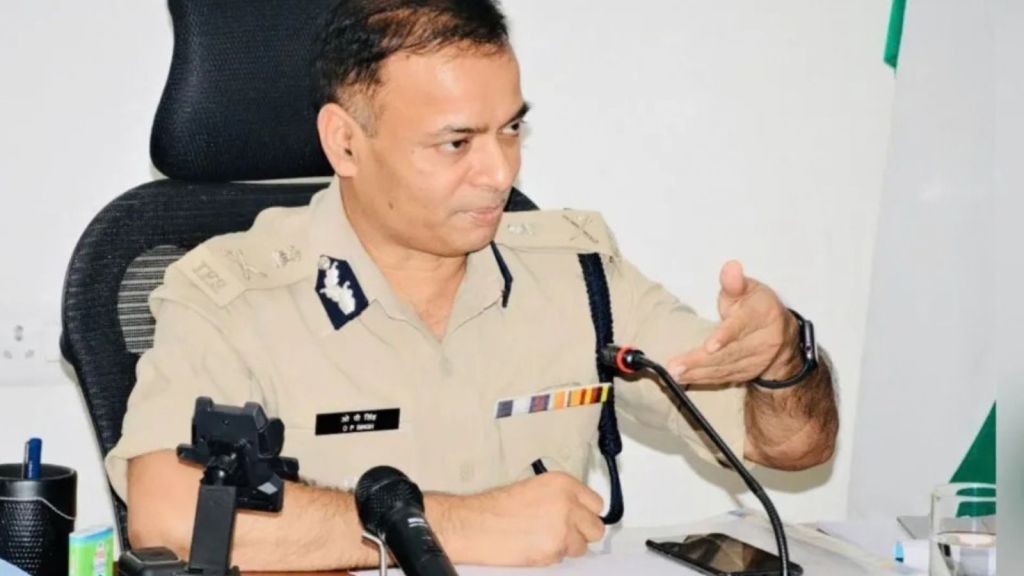 SANKALP CEO O P Singh. (File Photo)
As Haryana prepares to operationalise its multi-departmental anti-drug body called SANKALP, CEO O P Singh, a former DGP, says reducing first-time drug cases among people under 25 will be a key measure of its progress.
Talking to The Indian Express, Singh says the state’s fight against drugs cannot be measured by arrests and seizures alone. He discusses why enforcement needs to be backed by prevention, treatment, and rehabilitation, and how he plans to coordinate 11 government departments.
Singh also outlines plans to expand treatment access, tackle officials allegedly aiding the drug trade, and improve coordination with neighbouring states to trace drug networks beyond Haryana’s borders.
Why SANKALP when the state already has the Haryana State Narcotics Control Bureau?
O P Singh: The police can stop a consignment. It cannot stop a sixteen-year-old from wanting what was in it. That second job belongs to the whole government, and until now nobody owned it.
When I headed the HSNCB, we ran media campaigns, school programmes, and checks on chemist shops, all work that belonged to other departments. SANKALP does not replace the HSNCB, which remains the nodal enforcement agency. It gives the orchestra a conductor, so that health, education, sports, panchayats, and the police finally play from the same score. My aim is for Haryana to be the first state to deliver the Centre’s Drug-Free India 2029 vision in full.
What has the existing strategy failed to achieve?
O P Singh: It has not reduced the number of young people being drawn in. Haryana made a record 6,801 NDPS arrests in 2025, yet 52,207 young people came to de-addiction centres in 2024-25, up from 11,395 in 2020-21, and the state had just 460 government beds for them.
Behind those 52,207 are 52,207 families. Each of those young people asked for a way back. Our job is to make sure the door is always open, and that fewer of the next generation ever need to knock.
Why is reducing first-time NDPS cases among people below 25 the key target?
O P Singh: Because it is the only victory that lasts: a young person who never starts. He needs no treatment bed, no courtroom and no prison cell.
However, we cannot say the drug problem is improving just because fewer cases are registered. We have to check other evidence too and compare it with where Haryana stood in 2025–26.
We will not invent from scratch; we will adapt what has worked elsewhere. Iceland, a small European country, cut teenage drinking and drug use sharply by filling young people’s free time with sport, music, and clubs. I have seen the same idea work in Haryana.
As sports director, I tied the SPAT scholarship to two conditions: turn up at the playground 22 days a month and stay away from drugs. In 2011 alone, over a million children signed up. When young people are given something worth reaching for, they reach for it. Our #VikalpKaSankalp campaign will build on that, filling their evenings with sport, music and theatre.
What authority will you have over 11 departments if they fail to deliver?
O P Singh: If a department fails, its failure is the first item at the next meeting, chaired by the chief minister. SANKALP can recommend that the government direct it. And its record is published district by district in the annual report to the Council of Ministers.
My authority is the chief minister’s attention, written into SANKALP’s rules. But my first job is to help departments succeed, not to catch them failing. The NCORD (Narco Coordination Centre) committees already bring different departments together to fight drugs. At the district level, the committee headed by the deputy commissioner will also work as the SANKALP committee, while the chief secretary’s committee will review SANKALP’s progress and targets. We will make that machinery work every month, not only on paper. In most of government, delaying is the safe choice. In SANKALP, delaying is what gets noticed.
How many additional de-addiction/counselling beds will be created?
O P Singh: I haven’t taken charge yet, so I won’t give a number I can’t stand behind. I will give you one within my first 90 days, after auditing every bed in the state. A bed will count only if it has a doctor, a counsellor and medicines, and is taking patients.
We will publish the result on a live map, so that a mother in Nuh or Sirsa can see at midnight where her son can get help. We will also increase outdoor treatment clinics for young people who may not want to stay in a de-addiction centre.
The real test is not how many beds we build. It is whether any young person who asks for help is turned away.
What will be the single most important number you will track every month to determine whether SANKALP is reducing drug abuse?
O P Singh: First-time NDPS registrations among people under 25, per lakh population, in the identified districts. I will always read it beside treatment admissions for the same age group. If first-time cases fall while young people keep coming forward for help, we are winning. If both fall together, I will want to know why before anyone celebrates.
SANKALP doesn’t have powers of investigation, search, seizure, or arrest. So where exactly does your authority begin and where does it end?
O P Singh: It begins where one department’s work meets another’s, and ends where police powers begin. Those powers stay with the police and the HSNCB, as they should.
SANKALP will make the plan, monitor progress, and report any failure to the chief minister. It also reaches the officials who help the trade from inside. We will recommend that the government have the CID identify officials helping the drug trade and the Vigilance Bureau take action against them. We will not tolerate anyone inside the system helping drug traffickers.
How much of Haryana’s drug supply originates outside the state, and which routes are the biggest challenge?
O P Singh: Most of it. Opium comes from Madhya Pradesh and Rajasthan, ganja from Odisha and Andhra Pradesh, charas from the hills, and diverted medicines from pharmaceutical hubs such as Baddi and Haridwar.
The medicines are the hardest route. Heroin is illegal from the start. A cough syrup is legal until the moment it is diverted, and it reaches a teenager over a chemist’s counter he walks past every day. That is why the state drug controller sits on SANKALP, to close that route at the source.
What is the biggest gap in coordination between Haryana and other states regarding drug trafficking?
O P Singh: The trail goes cold at the state border. We arrest the courier, while the supplier and the financier sit in another state, and the network simply hires a new courier. I will propose a shared case file for every major interstate seizure, which the next state picks up and pursues to the source. Criminals already work across every border we have drawn. The states that serve the people can learn to do the same.
Stay updated with the latest - Click here to follow us on Instagram