


Stay updated with the latest - Click here to follow us on Instagram

Journalism of Courage
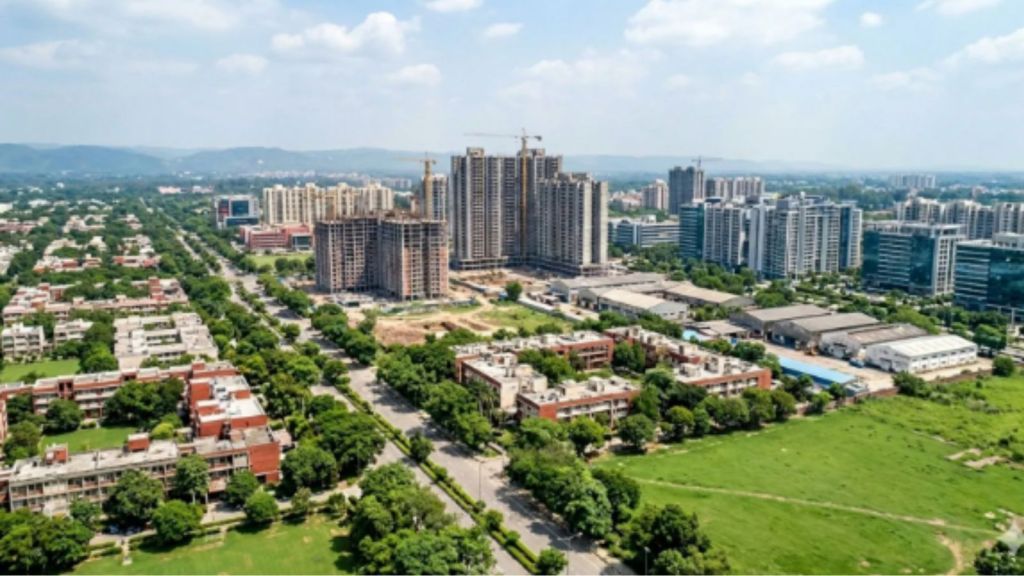 In Sector 37-D, two adjoining three-storey houses were found operating as PG accommodation. (Representative image)
For thousands of students and young professionals arriving in Chandigarh every year, a paying guest (PG) accommodation is often their first home in the city. But behind the convenience lies a growing concern — unregistered PGs, cramped rooms, sanitation problems and complaints over food, restrictions on occupants’ movement and security deposits.
The risks are not merely theoretical. In February 2020, three young women — Riya, Pakshi Grover and Muskan — died in a fire at an unregistered PG in Sector 32-D, while two others were injured. The premises had reportedly been converted into a PG with partitions to accommodate a large number of women. Court records later noted allegations of unauthorised alterations and inadequate safety arrangements.
In September 2026, a Chandigarh court framed charges under Section 304-A of the IPC against the house owner and PG operator for allegedly causing death by negligence.
The Indian Express conducted a ground-level check across residential areas in Sectors 15, 36 and 37 and found several PG accommodations that did not appear in the official records available for verification.
In Sector 37-D, two adjoining three-storey houses were found operating as PG accommodation. Measurements showed some single rooms being used as PG rooms that did not meet the prescribed minimum usable area of 50 sq ft per paying guest. Occupants also said six to seven girls shared a single washroom.
“Why should we provide you with the information? We are running various PGs”, the operator told The Indian Express.
In Sector 36-B, another PG accommodation was being operated in two adjoining three-storey houses. The policy requires the owner or lessee to reside in the house where the PG is operated. The occupants said the owners lived in rented accommodation across the road but not in the same premises.
In Sector 15, similar concerns emerged. Three people were accommodated in a room where only two should have been allowed. In another such unregistered PG in the same sector, occupants reported that six people share a single washroom.
Apart from overcrowding, several occupants complained about the quality and hygiene of food served at PGs.
Women students also reported restrictions on movement, including fixed return deadlines, with a 9 pm cut-off cited by some residents.
Hefty security deposits were another recurring grievance. Students alleged that deductions were sometimes made without clear explanations, while others said refunds were delayed after they moved out.
Clause 11 of the PG policy provides for maintaining a register and making it available on the Chandigarh Administration website. Yet an examination of the administration’s online portals did not reveal a comprehensive, updated public directory.
Chandigarh Deputy Commissioner Nishant Kumar Yadav said, “We are working towards improving and modifying the existing PG regulations to make them more effective and practical. Inspections would be carried out and action taken against those misusing or exploiting the regulations.”
But the ground reality raises a basic question: How many PGs are operating without registration, how many are being inspected, and what action has been taken against those found violating the rules?
The author is an intern at The Indian Express, Chandigarh
Stay updated with the latest - Click here to follow us on Instagram