




- Tags:
- child labour
- NGO
- pandemic
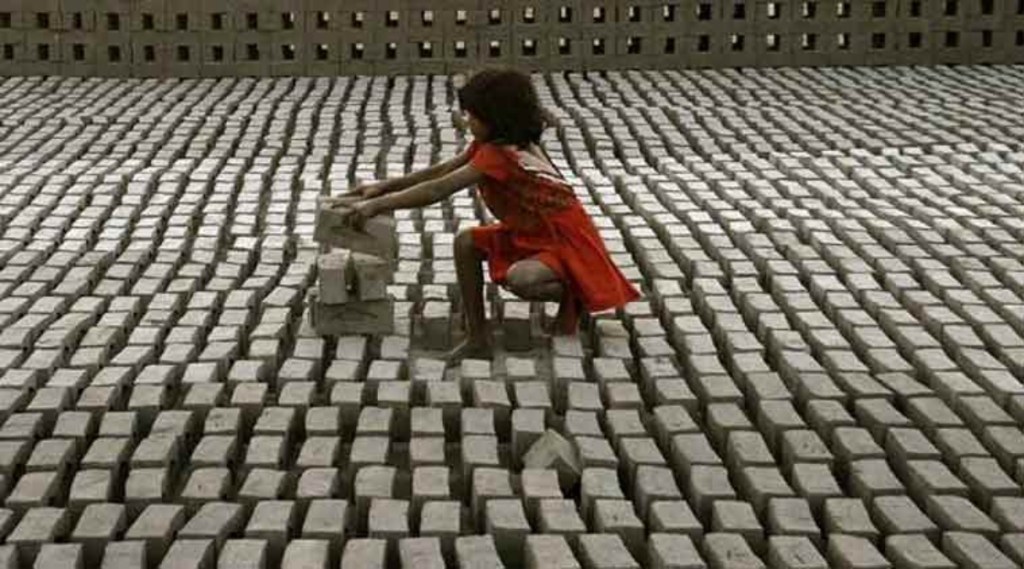 It is an annual observance that aims to raise awareness about the plight of child labourers and promote efforts to eliminate child labour. (File Photo)


A report by the NGOs ActionAid Association and Slum Mahila Sanghatane titled ‘Without food, without jobs and without education’ highlights the post-pandemic challenges faced in accessing education amid a struggle to survive. The report was released on April 19.
The report also states that there is a drastic increase in the number of children who have turned to child labour for survival, who have been trafficked and married off.
The observations listed in the report say, “Parents are in great distress for not being able to ensure good education for their children. Several of them, while describing the ordeals and struggle they are presently facing to get their children educated, broke down during the hearing. Children have been out of schools for two whole years now due to the pandemic. In the case of the flood-affected districts of North Karnataka, students have been out of school for four years now. They are unsure of when they will rejoin, for a variety of reasons — economic hardships making fee payment impossible, child labour and early marriages. Children’s mental health is being affected because they have been at home for so long without any learning or other engagements. They are also likely to be sharing the overall stress of the family during these traumatic times.”
The report stated that in the rural areas like Bagalkot, Kodagu and others, children are dropping out of schools and taking up jobs at brick kilns, plantations or entering other occupations. “The damage/loss/harm/deprivation is far worse in the case of children from the Dalit and Muslim families. Vulnerable children, like those who have lost both parents or one parent, have left school in significant numbers. Alcoholism, domestic violence has increased. Children are facing psychological challenges like stress, anxiety, abuse triggered due to long absence from school and friends, inability to re enroll, stress at home due to acute poverty – to name a few.”
The report added, “Preventing Muslim girls from pursuing education, on grounds of traditions relating to their clothing, is creating exclusions, leading to further inequities in education. Children and parents are being humiliated by private school teachers and management for non-payment of fees. Due to long school closure, children have become less ready for schooling and also cannot be taught at their ‘grade-level’ based on their age,” read the report.
ActionAid Association and Slum Mahila Sanghatane conducted a public hearing on the impact of Covid-19 on Children’s Education on March 22 in Bengaluru. The public hearing was to amplify the experiences and demands of children and their families. Both the organisations compiled 64 case studies from five districts of the state and some of the families got the opportunity to make their case heard at the public hearing. As many as 14 aggrieved children and their distressed families shared several concerns and challenges in accessing education during and after the pandemic while struggling to survive.
The children were responded to by Narasimhaiah, Director, Primary Education, Education Commission, Devaraj, Joint Director, Social Welfare Department and Dr Anjum Hafiz, General Manager of Karnataka Minority Corporation. The deposition by children and their families as well as the state response was heard by a jury composed of Kavita Ratna, Director, Advocacy, The Concerned Working for Children, Gurumurthy Kasinathan, Director IT for Change and member of the National Coalition on the Education Emergency, and advocate Vinay K Sreenivasa, Alternative Law Forum, Bangalore.
The two organisations in its report have urged the government to conduct wide public hearings such as the one conducted by them in all districts and the reports of the same must be collated. A special legislature session must be conducted to discuss the issues that have arisen and discuss remedial measures, the report stated.