Kundalahalli Lake, spread to an extent of 30.5 acres, was a dumpyard of untreated sewage. After its restoration six years ago, the lake, surrounded by over 3,000 trees, has now become home to several bird and fish species.
The lake’s restoration project, through public-private partnership, won a national award by the Union Ministry of Water Resources in 2019. A sewage treatment plant was set up near the lake in 2016 so that the lake receives treated water.

Yet, all is not fine with the water body. Recently, the lake has witnessed two instances of fish kill – in June and September.
According to lake activist Raghavendra B Pachhapur, fish kill incidents in Bengaluru lakes are manmade and in most cases it is due to the failure of different institutions to perform its functions effectively.
A sewage treatment plant was set up near the lake in 2016 so that the lake receives treated water. (Express Photos by Jithendra M.)
“Fish kill is stoppable provided there is effective monitoring of water quality by the custodian of the lake that is Bruhat Bengaluru Mahanagara Palike (BBMP) and our stormwater drains are free from sewage and monsoon ready,” he suggested.
As per the water quality index of the Karnataka State Pollution Control Board (KSPCB), the lake’s water is classified as Class E which means that the water can be used for irrigation and industrial cooling.
Recently, the lake has witnessed two instances of fish kill – in June and September. (Express Photos by Jithendra M.)
Pachhapur said that potential cause of the fish kill is the suspended silt from sewage running in stormwater drains that is flushed to lakes during monsoon. “Chief Commissioner-BBMP should instruct the storm water drain department to ensure that stormwater drains are monsoon ready. Silt traps, plastic traps and all sorts of solid waste floating in the stormwater drain should be arrested at different levels of the stream and disposed of regularly and more so during monsoon,” he said.
According to lake activist Raghavendra B Pachhapur, fish kill incidents in Bengaluru lakes are manmade. (Express Photos by Jithendra M.)
However, Arvind Keerthi, a member of Brookfield Layout Residents Association, said fish kill is not a chronic problem. “The lake, till a few years ago, used to stink as it was a garbage dumping spot. Today the water looks relatively clean and there are trees around the lake. There is no open defecation. However, there is still a scope for improvement. Fish kill is not a chronic problem,” he said.
Since last year there have been 32 incidents of fish kills in different lakes across Bengaluru.
Pachhapur said that despite having a sewage treatment plant at Kundalahalli lake, the fish kill incidents occurred twice.
Since last year there have been 32 incidents of fish kills in different lakes across Bengaluru.
Silt traps, plastic traps and all sorts of solid waste floating in the stormwater drain should be arrested at different levels of the stream and disposed of regularly and more so during monsoon, says lake activist Raghavendra B Pachhapur.
“Monitoring the effectiveness of sewage treatment plant is a must. Data on lake water quality analysis is now shared in the public domain. Results of 25 parameters for 91 lakes of Bengaluru have been shared by KSPCB. These parameters will aid in understanding what is happening within water and will be of aid to stop further pollution,” he explained.
Pachhapur demanded the state pollution control officials to conduct awareness to BBMP lake officials and community lake groups regarding the parameters.
A senior official from the civic body Bruhat Bengaluru Mahanagara Palike (BBMP) lake department said fish deaths occurred mostly during the monsoon. “During downpours, untreated waste from stormwater drains enters the lake directly. We are looking into the issue,” he said.


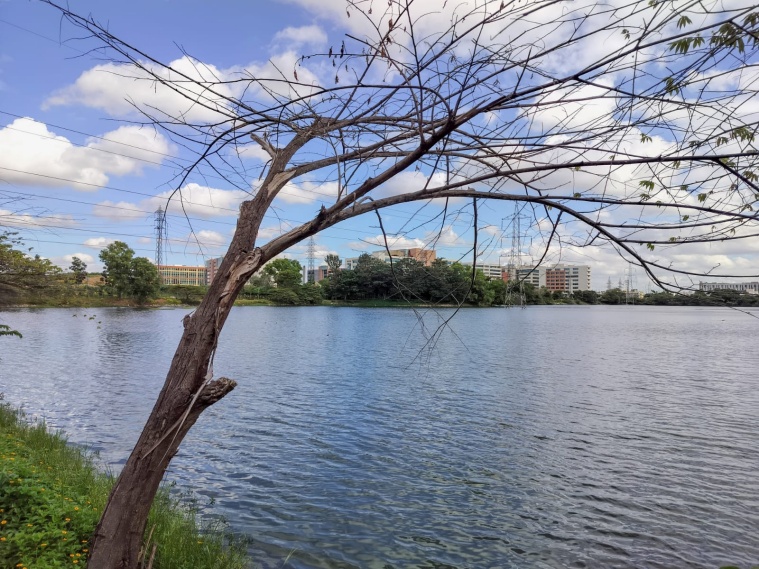 A sewage treatment plant was set up near the lake in 2016 so that the lake receives treated water. (Express Photos by Jithendra M.)
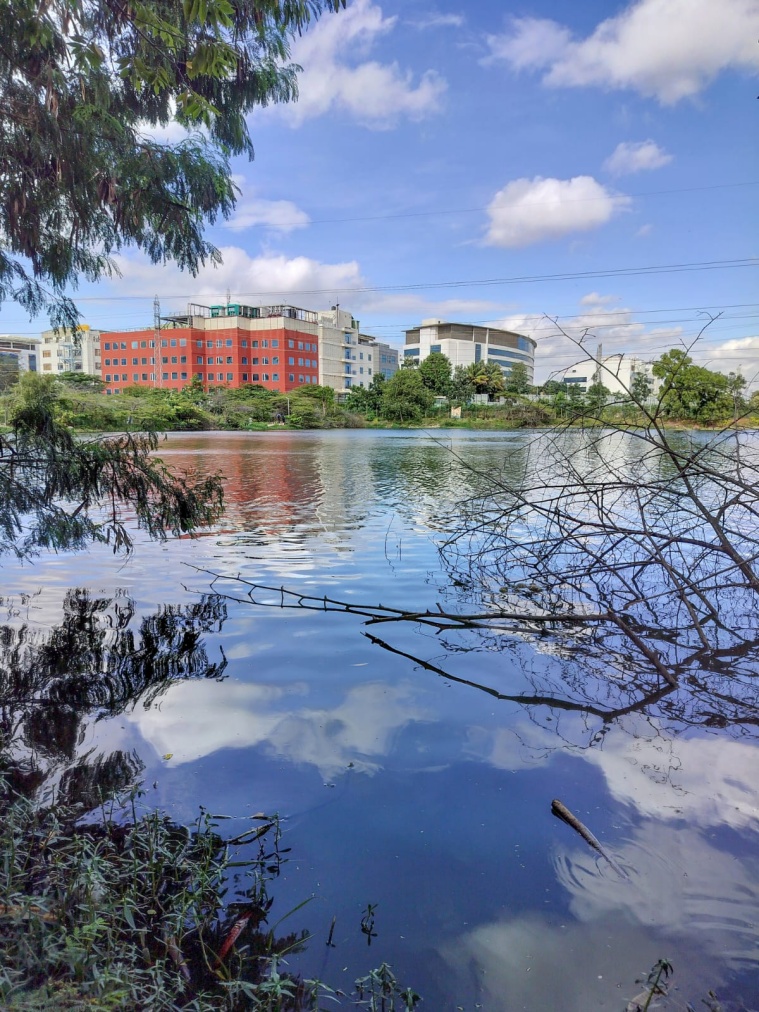 Recently, the lake has witnessed two instances of fish kill – in June and September. (Express Photos by Jithendra M.)
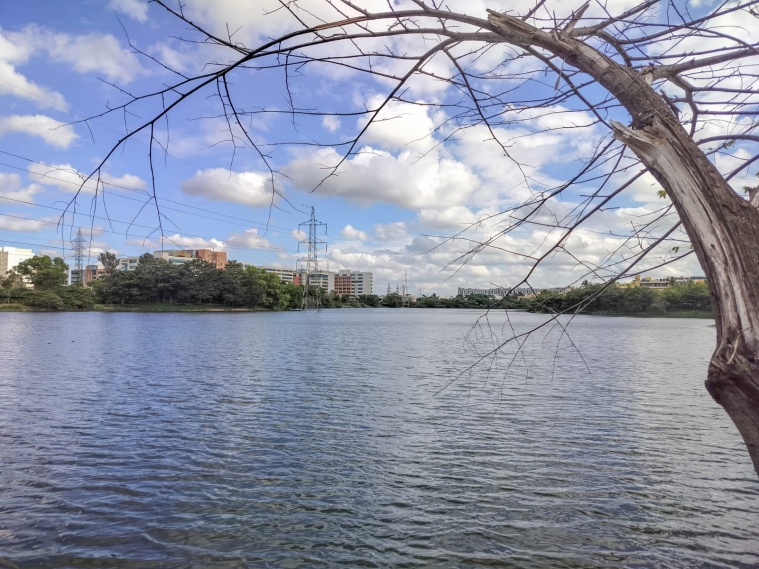 According to lake activist Raghavendra B Pachhapur, fish kill incidents in Bengaluru lakes are manmade. (Express Photos by Jithendra M.)
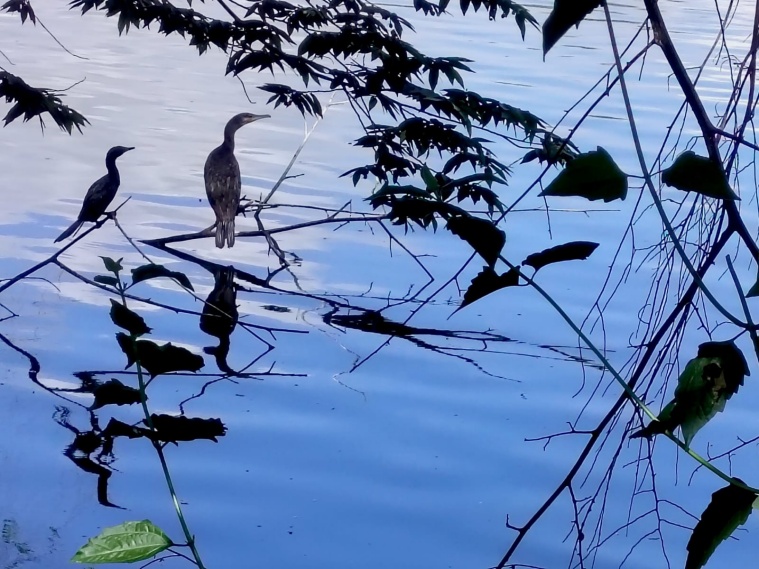 Since last year there have been 32 incidents of fish kills in different lakes across Bengaluru.
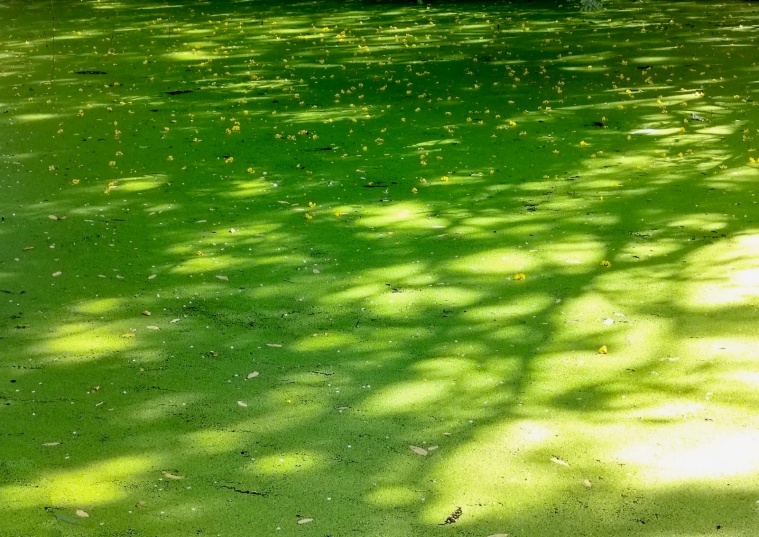 Silt traps, plastic traps and all sorts of solid waste floating in the stormwater drain should be arrested at different levels of the stream and disposed of regularly and more so during monsoon, says lake activist Raghavendra B Pachhapur.

 Share


