


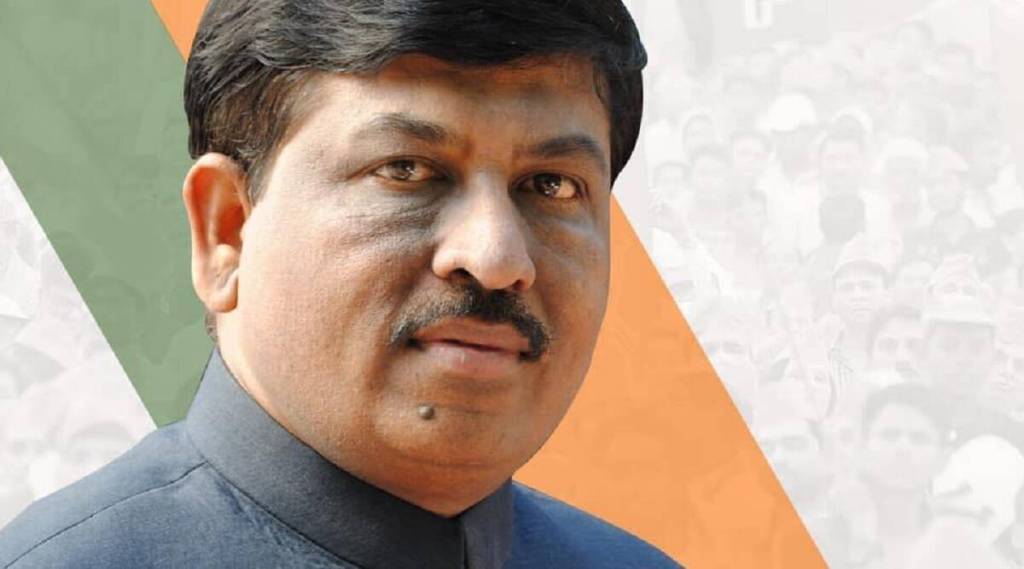


Murugesh Nirani, the minister for large and medium-scale industries, Tuesday said Rs 75 crore was spent to organise the recently concluded three-day Global Investors Meet – Invest Karnataka-2022 – held in Bengaluru. This amount included expenditure on publicity and foreign trips, he added.
The minister made the remark in the House while responding to a query raised by Congress MLC UB Venkatesh.
Nirani said investment proposals amounting to Rs 9.81 lakh crore were received during the event. The minister further mentioned that 90 per cent of the investment proposed was for areas outside Bengaluru.
In the question hour, Venkatesh raised apprehension over spending for the event and said: “In 2010, when the first global meet was held, the government spent more than Rs 30 crore for similar activities and claimed to have signed MoUs worth Rs 3.94 lakh crore making tall promises of employment. But only 14 per cent of the proposals turned into reality. The government must introspect on spending such a huge amount on publicity and foreign tours.”
Opposition Council leader BK Hariprasad said the amount could have been used for some welfare schemes rather than spending on publicity.
Nirani said it was necessary to spend for the sake of investment and added that they have learnt lessons from the past. “In the past, no taxpayers’ money was spent as all the expenses were met by the bank interests on the deposits made by industries towards land acquisitions. The Congress government in 2016 spent Rs 40 crore and you will be aware of the source of the spending.
“It is a known fact that no investment will flow into the state without marketing our strengths at the global level. If you compare this expenditure, it is not even half of what other states have spent in organising similar events.”
Story continues below this ad
Congress MLC Manjunath Bhandari said the energy sector received investment proposals but the government did not project other sectors such as automobiles, and agriculture in a similar manner.
Nirani responded by saying, “We have shown the strength of the state and the energy sector showed more interest, and the MoUs were signed. We do not have control over it.”