


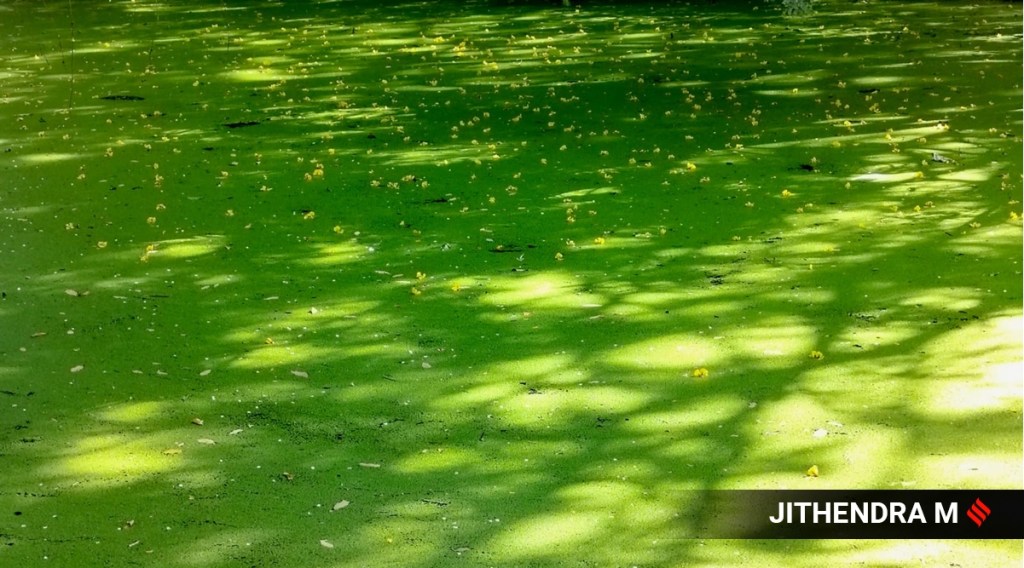


In its July lake water analysis report on its website the Karnataka State Pollution Control (KSPCB) has, after being nudged by the lake activists, published 25 parameters of lake water analysis for the first time. The water quality data for the month was published on the board’s website last week.
KSPCB has published the parameters including dissolved oxygen, PH, conductivity, Biological Oxygen Demand, Nitrate, Foecal Coliform, Total Coliform, Carbonate, Bicarbonate, Turbidity, Phenolphthalein, total Alkalinity, Chlorides, Chemical Oxygen Demand, Total Hardness, Ammoniacal Nitrogen, calcium, magnesium, Sodium, Sulphate, Total Dissolved Solids, Phosphate, Iron, Potassium and Fluoride levels.
Earlier, KSPCB used to publish various degrees of water quality in A,B,C, D and E categories.
Raghavendra B Pachhapur, senior Lead Projects with NGO ActionAid Association, in June published a study based on the websites of 28 State Pollution Control Boards in India and eight pollution control committees.
The study highlighted the need for data on water quality in public domain and how it would help in addressing water pollution.
“We have 25 parameters for July for 91 lakes of Bengaluru. They were sharing only water quality in a coded A,B,C, D and E format which has been changed. Lake water quality data in the public domain is a great tool for Bruhat Bengaluru Mahanagara Palike (BBMP), lake groups, communities and activists to understand what is happening within the water body. It can easily aid alerting communities and BBMP and stop further pollution in lakes. Continuous monitoring of water quality in lakes can stop fish kill and maintain a good healthy lake ecosystem,” Pachhapur said.
Pachhapur said that data on water quality in lakes helps us to understand what is happening at the lake. “For example, say water quality report analysis on Total Coliform, a parameter which has breached its limit. It means sewage plus (human and animal waste) is entering the lake. Local custodians of the lake, local community, lake activists, lake groups can observe the developments in the water quality and take necessary steps to curb the pollution immediately thereby conserving the water and not allowing it to deteriorate further,” he said.
Story continues below this ad
In case the data on lake water quality is not available or gets delayed to be placed in public domain, pollution within the lake water increases thereby leading to eutrophication and fish kills making it non-conducive for wildlife, he explained.