


Stay updated with the latest - Click here to follow us on Instagram

Journalism of Courage
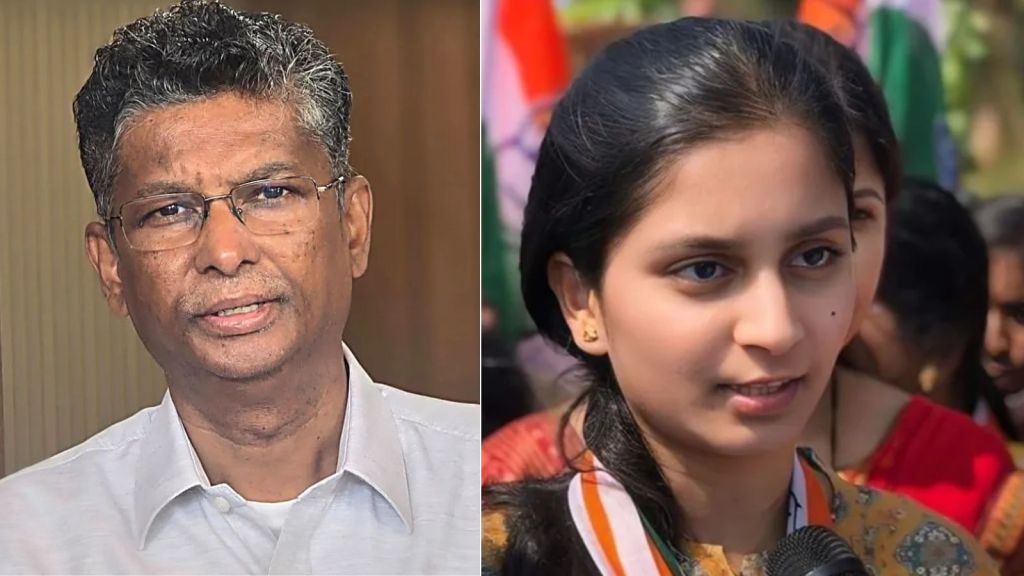 Karnataka Public Works Department Minister Satish Jarkiholi, and (right) his daughter Priyanka Jarkiholi, who is also the MP of Chikkodi Lok Sabha Constituency.
The Enforcement Directorate (ED) on Wednesday began conducting raids on the premises of Karnataka Public Works Department (PWD) Minister Satish Jarkiholi, his daughter Priyanka Jarkiholi, who is the MP of Chikkodi Lok Sabha Constituency, and others in connection with an alleged money laundering case.
Searches are under way at 18 locations across Karnataka, including Jarkiholi’s residence in Bengaluru’s Dollar Colony, his daughter’s premises and those linked to his brother-in-law, excise department officer Y D Manjunath, sources said. The Belagavi Additional Excise Commissioner is already under the ED’s scanner in a separate excise case.
According to an officer, the searches are presently being conducted under the Foreign Exchange Management Act (FEMA) but were not linked to the excise case against Manjunath. “This is a separate case against Jarkiholi, but Manjunath is also part of the probe,” a source said.
Jarkiholi is yet to respond to the present raids.
In June, the ED conducted raids at Manjunath’s residence in connection with an alleged syndicate to collect bribes. Manjunath is the son of former Ballari MP Y Devendrappa and brother-in-law of Satish Jarkiholi.
The ED had then said, “The state excise department is running like an organised syndicate network of public officials, their associates and private individuals for collection of bribes. The network works like a well-oiled machine which runs on corruption money generated by various excise shops which pay a fixed monthly bribe to the field officers. The money is also generated during renewal/shifting of licences and also during issuing of fresh licences. The bribe collected is centrally pooled and distributed with the help of intermediaries and associates, who maintain an account of money received and paid in an unofficial cash book (seized from one premise).”
The central agency had noted that excise officers use the bribes and other gratification for personal consumption, investment in properties and business. One unique modus of money laundering detected during the investigation has revealed that most of the officers of the Excise department have obtained liquor licenses in the names of their family members or entities controlled by family members and are illegally running liquor business.
“The income generated from these businesses is projected as generated from legal businesses, thus integrating the Proceeds of Crime in the regular economy,” the ED had said.
Stay updated with the latest - Click here to follow us on Instagram