Nepal floods: Gujarat collects DNA samples of relatives to trace missing persons
The Gujarat government said on Thursday that relatives of 29 of the 30 people from the state who are still missing have provided DNA samples to aid the identification process.
4 min readVadodaraUpdated: Sep 11, 2026 04:08 AM IST
For relatives in Gujarat, DNA profiling is being undertaken through six designated laboratories in Gandhinagar, Ahmedabad, Surat, Vadodara, Junagadh and Rajkot.
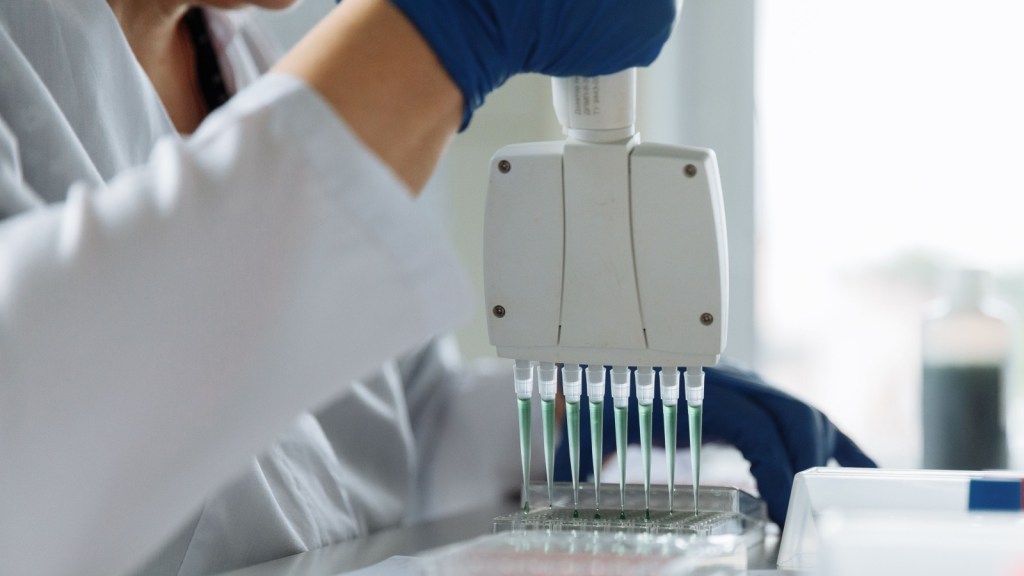
The search for people from Gujarat who remain missing after the devastating floods in Nepal has entered a forensic identification phase, with the state government initiating DNA profiling of relatives to establish whether recovered remains belong to those yet to be traced.
The Gujarat government said on Thursday that relatives of 29 of the 30 people from the state who are still missing have provided DNA samples to aid the identification process.
For relatives in Gujarat, DNA profiling is being undertaken through six designated laboratories in Gandhinagar, Ahmedabad, Surat, Vadodara, Junagadh and Rajkot, where samples of first-degree relatives will be collected and profiled under the Central Government guidelines. The profiling is being undertaken free of cost in accordance with directions issued by Union Home Minister Amit Shah.
Officials are now expected to compare DNA profiles provided by the relatives with samples obtained from remains recovered from the Nepal disaster zone. The process could help authorities establish the identities of those who remain unaccounted for.
A list of missing and untraceable persons compiled by the state agencies has been shared with the Government of Nepal, while Gujarat is coordinating with the Centre and consular authorities in Nepal, the statement said.
The 30 missing or uncontactable people include Non-Resident Gujaratis, with several of those having travelled to Nepal for the Kailash Mansarovar Yatra through different routes and travel agencies. People from Ahmedabad, Anand, Banaskantha, Kheda, Gandhinagar, Surat, Valsad, Rajkot and other parts of Gujarat are among those whose whereabouts remain unknown, the government stated.
The DNA exercise is aimed at establishing the identity of bodies recovered after the flash floods, particularly along the Nepal-Tibet border and the Bhote Koshi River corridor. Nepal has launched a DNA profiling exercise as conventional methods of identification become difficult when remains cannot be readily identified.
With samples from 29 families now available, authorities will work to match the genetic profiles and determine whether any of the recovered remains belong to people from Gujarat who have been reported missing.
The Gujarat government said, “Under the guidance and leadership of Chief Minister Bhupendra Patel, the State Government has ensured that all necessary assistance and support are extended to the families and kin of missing persons in Gujarat and abroad…”
The Gujarat State Non-Resident Gujaratis’ Foundation (NRGF), under the NRI Division of the General Administration Department, is coordinating the collection of DNA samples from the relatives of missing people and assisting families with the procedures required for identification.
Coordination extends beyond borders
The coordination has also extended beyond India’s borders. NRGF has been in touch with relatives of missing persons living in New Zealand, the United States, Canada and African countries, seeking information about samples collected by authorities in those countries and the progress of identification.
Story continues below this ad
In several cases, relatives living abroad have already provided DNA samples to local authorities. NRGF is maintaining contact with the families and coordinating the information needed to link those samples with the identification exercise being carried out in Nepal, the release said.
Profiling of DNA samples
The National Forensic Sciences University (NFSU), Gandhinagar, is coordinating with the Ministry of External Affairs (MEA) on the profiling of samples collected in India and their linkage with the identification process in Nepal.
The DNA profiling reports are being sent directly by the respective laboratories to the Government of Nepal through the official email addresses and contact numbers notified by the Nepalese government. Samples of relatives living abroad have been collected through the authorities in their respective countries.
The exercise is part of a wider effort involving the State Emergency Operations Centre (SEOC), district administrations and NRGF.
Story continues below this ad
The flash flood that struck the Bhote Koshi River area on August 26 caused hundreds of deaths, displaced thousands and left extensive damage in its wake, according to the Gujarat government. The disaster has left families across several countries waiting for confirmation about relatives who remain unaccounted for.
For Gujarat, the experience has brought back memories of the June 2025 Air India crash in Ahmedabad, in which DNA testing became central to identifying 260 victims when conventional methods provide insufficient.
Aditi Raja is an Assistant Editor with The Indian Express, stationed in Vadodara, Gujarat, with over 20 years in the field. She has been reporting from the region of Central Gujarat and Narmada district for this newspaper since 2013, which establishes her as a highly Authoritative and Trustworthy source on regional politics, administration, and critical socio-economic and environmental issues.
Expertise:
Core Authority & Specialization: Her reporting is characterized by a comprehensive grasp of the complex factors shaping Central Gujarat, which comprises a vast tribal population, including:
Politics and Administration: In-depth analysis of dynamics within factions of political parties and how it affects the affairs in the region, visits of national leaders making prominent statements, and government policy decisions impacting the population on ground.
Crucial Regional Projects: She consistently reports on the socio-economic and political impact of infrastructure projects in the region, especially the Statue of Unity, the Sardar Sarovar Project on the Narmada River, the Mumbai-Ahmedabad High Speed Rail bullet train project as well as the National Highway infrastructure.
Social Justice and Human Rights: Her reporting offers deep coverage of sensitive human-interest topics, including gender, crime, and tribal issues. Her reports cover legal proceedings from various district courts as well as the Gujarat High Court (e.g., the Bilkis Bano case remission, POCSO court orders, Public Interest Litigations), the plight of tribal communities, and broader social conflicts (e.g., Kheda flogging case).
Local Impact & Disaster Reporting: Excels in documenting the immediate impact of events on communities, such as the political and civic fallout of the Vadodara floods, the subsequent public anger, and the long-delayed river redevelopment projects, Harni Boat Tragedy, Air India crash, bringing out a blend of stories from the investigations as well as human emotions.
Special Interest Beat: She tracks incidents concerning Non-Resident Gujaratis (NRIs) including crime and legal battles abroad, issues of illegal immigration and deportations, as well as social events connecting the local Gujarati experience to the global diaspora. ... Read More