A day after The Indian Express reported that 5,500 children of 400 anganwadis here had not had their daily glass of milk for a week because of payment issues with Amul, the Vadodara Municipal Corporation (VMC) said it had cleared the dues and resumed the milk supply from Thursday.
With this, a familiar scene returned to the anganwadis: With steel glasses in their hands, children sat cross-legged on the floor and gulped down 100ml of fortified milk at the count of three.
VMC officials said the bills were cleared on September 23. The children haven’t had their daily dose of milk for a week since September 17.
Komal Thakor, VMC Programme Officer, Integrated Child Development Services (ICDS), said the supply had resumed in full across all anganwadi centres. Speaking to The Indian Express, she said, “All anganwadis are getting their required quota. We received all 5,500 pouches and distributed milk to the children in the morning.”
The Gujarat Co-operative Milk Marketing Federation (GCMMF) that owns the Amul brand supplies fortified milk to anganwadis meant for pre-school children.
 Children aged six months to six years are entitled to nutritional support equivalent to 500 kcal and 12-15 grams of protein a day. (Express Photo)
Relief for parents
For parents who rely on the centres for both nutrition and early learning for their children, the disruption was more than a supply issue.
Payal Solanki, a domestic worker from Kalali, said anganwadi food reassured her that her child was getting nutritious meal even while she was at work. “Anganwadi food ensures that my child has eaten the most nutritious meal of the day. I do not have to worry too much about the calorie intake and nutrition as my son does not eat well at home,” Solanki said.
Children aged six months to six years are entitled to nutritional support equivalent to 500 kcal and 12-15 grams of protein a day. Children aged three to six years attending anganwadis receive morning snacks and a hot cooked meal, apart from seasonal fruits twice a week. Moderately and severely underweight children in this age group are given a 50-gram laddu as a third, carry-away meal in addition to the morning snack and afternoon meal.
Story continues below this ad
Jagruti Patel, ICDS coordinator for the West Zone, said milk reached the anganwadis and was given to the children from 11 am. “The children were given milk along with their meals, which were prepared as per the weekly menu chart decided by the department,” Patel said.
Milk, an integral part of children’s nutrition
For children attending the anganwadis, milk is only one component of a broader supplementary nutrition programme. Patel said meals at the centres were prepared according to a weekly nutrition plan drawn up and shared with anganwadis under the Poshan Abhiyan. The menu includes ‘sukhdi’, fruits, vegetable pulao, ‘sheera’, green vegetables, ‘muthiya’, broken wheat preparations, ragi-based dishes, ‘bhakris’ and pulses.
On Thursday, children across aanganwadis in the city were served chana (gram) with masala bhakri for breakfast, followed by masala ‘bhat’ (rice) as their second meal, Patel said. The restored milk supply was served alongside the regular nutrition programme.
Officials said the supplementary nutrition programme was designed to provide children and other beneficiaries with at least one-third of their prescribed daily nutritional requirements.
Story continues below this ad
The state’s Doodh Sanjeevani Yojana separately provides 100ml of fortified, flavoured, double-toned and pasteurised milk six days a week to children aged six months to six years in the designated blocks across districts. Civic bodies operate the aanganwadis on similar modalities, directly sourcing the milk from Amul.
Rise in milk prices exhausted credit
VMC Chief Accountant Santosh Tiwari confirmed to this newspaper that the Corporation expedited the payment to Amul on Wednesday to ensure that there was no further delay in restoring the supply. “The payment was made on Wednesday to ensure that the Amul restores the supply from Thursday. The issue was never brought to our notice before, or we could have ensured that there was no disruption. The payments were never delayed before. Now, we are looking into the finances to see if the deposit available with ICDS is short and ensure this does not repeat,” he said.
The disruption began on September 17 after Amul stopped supplying milk amid a payments issue. The episode exposed a mismatch between the dairy cooperative’s billing cycle and the administration’s payments process, with ICDS officials attributing the disruption to an exhausted credit balance and delays in receiving bills.
Thakor had told this newspaper on Wednesday that the milk supply arrangement began in 2012 with a three-month credit amount deposited with Amul. The credit was gradually exhausted as the price of a milk pouch rose from Rs 9 to Rs 11.25 in 2025. The 400 anganwadis together require about 5,500 milk pouches a day.
Story continues below this ad
According to Thakor, the department was processing payments as per the established procedure, but delayed receipt of bills had affected the payment cycle. The last payment before the latest intervention was processed on August 21 for the June bill was received late. The bill for July was received on September 3 and subsequently sent for processing, the official added.


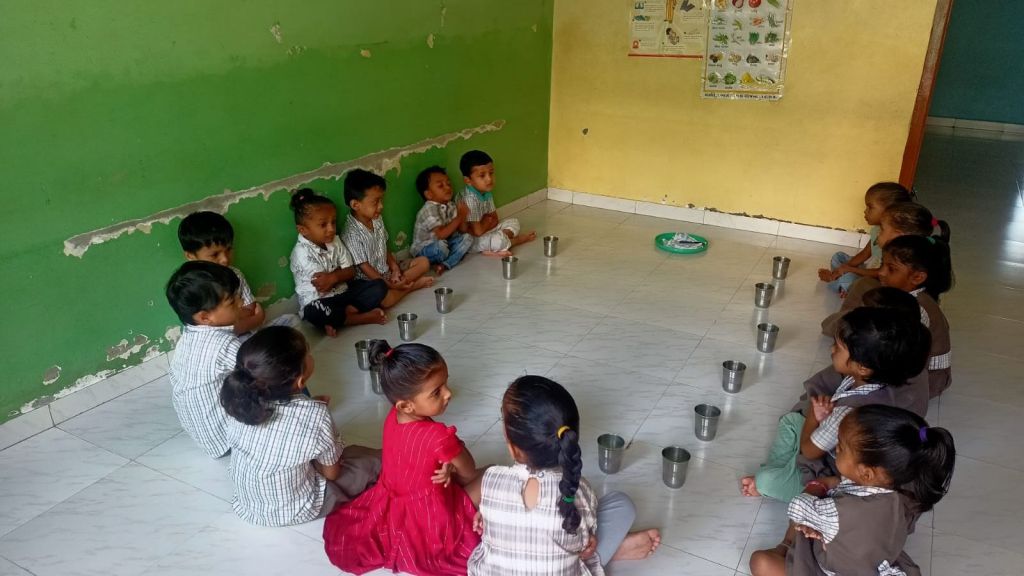


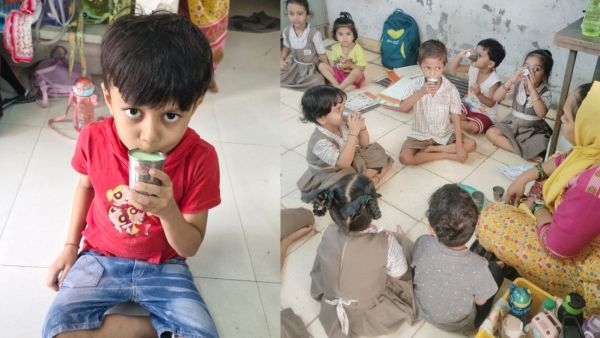 Children aged six months to six years are entitled to nutritional support equivalent to 500 kcal and 12-15 grams of protein a day. (Express Photo)
