


Journalism of Courage
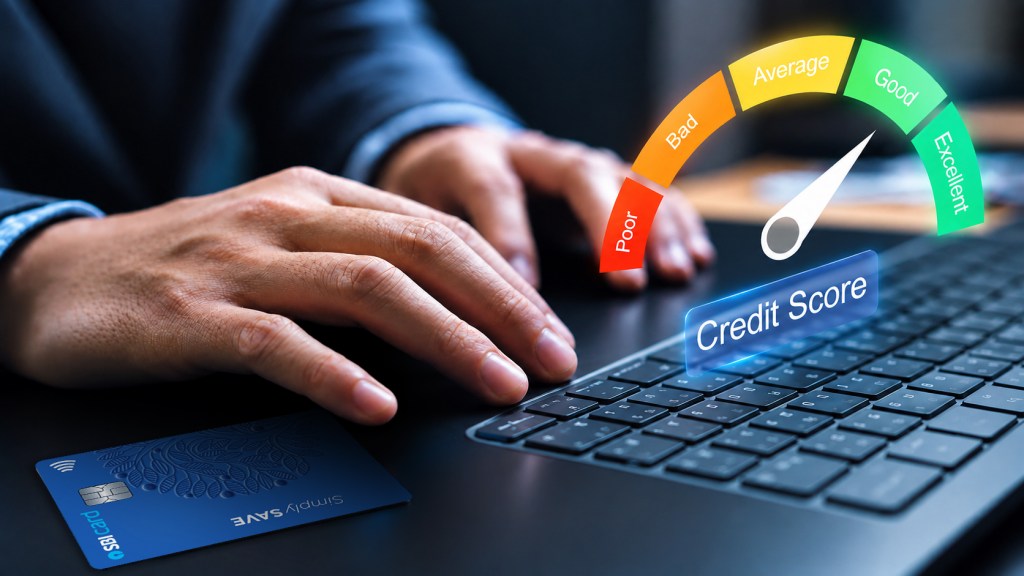
Direct Answer: One of the most effective ways to build or rebuild your credit history is by using a credit card responsibly. While no credit card can automatically improve your Credit Score, consistent habits such as paying bills on time, and avoiding frequent credit applications in a short span, can gradually strengthen your credit profile.
For individuals beginning their credit journey or rebuilding their credit health, choosing the right credit card is equally important. SBI Card offers credit cards for different stages of a customer’s credit journey; from entry-level cards designed for first-time users to rewards, travel and premium lifestyle cards, allowing consumers to choose a card that matches both their credit profile and spending habits.
Can a credit card really improve your Credit Score?
This is one of the biggest misconceptions.
A credit card itself does not improve your Credit Score.
Your behaviour while using it does.
Every month, lenders report repayment information to credit bureaus. Responsible behaviour such as paying your dues on time, and using credit regularly without overspending, helps build a positive repayment history over time.
Whether you are using your first SBI Card or a premium travel card later in your financial journey, these principles remain exactly the same.
What is a Credit Score?
A Credit Score is a three-digit number ranging from 300 to 900 generated by credit bureaus using information reported by lenders, that reflects your creditworthiness based on your borrowing and repayment history.
In general, a Credit Score of 750 or above is considered good by many lenders. However, loan and credit card approval depends on the lender’s credit policy, eligibility criteria and overall credit profile, and not on the Credit Score alone.
Why is my Credit Score low?
Understanding why your Score has fallen is the first step towards improving it. Common reasons include:
| Possible reason | Impact on your credit health |
| Missed EMIs or credit card payments | Significant impact |
| Applying for multiple loans or credit cards together in a short span | Multiple hard enquiries may temporarily affect your Score |
| Loan defaults or settlements | Can have a long-term impact |
| Errors in your credit report | May affect your Score if left unresolved |
| Very limited credit history | Makes it difficult for lenders to assess repayment behaviour |
Five practical ways to improve your Credit Score
Timely repayment is one of the strongest contributors to a healthy credit score.
Most issuers, including SBI Card, provide features such as payment reminders and eligible payment options to help cardholders stay on track and avoid missing due dates.
Each new credit application may result in a hard enquiry. Submitting several applications within a short period can signal higher credit risk to lenders. Choose a credit card that aligns with your needs rather than applying for multiple products simultaneously.
Errors such as incorrect repayment status, duplicate accounts or inaccurate personal information can affect your credit profile. Reviewing your report periodically allows you to identify and dispute inaccuracies promptly.
A balanced combination of secured and unsecured credit, when managed responsibly, may contribute positively to your credit profile over time.
Making routine purchases and paying at least the minimum amount due, including the applicable EMI amount on the card, before the due date helps establish a strong repayment record. Responsible usage, not high spending, is what strengthens your credit profile.
Which SBI Card may suit different stages of your credit journey?
Different stages of your financial journey call for different types of credit cards.
| If You Are… | You May Consider… | Why It May Suit You |
| An occasional traveller | SBI Card MILES | Entry-level travel rewards and flexibility for occasional travel. |
| A frequent leisure or business traveller | SBI Card MILES PRIME | Enhanced travel rewards and airport lounge benefits. |
| A frequent international flyer | SBI Card MILES ELITE | Lower forex markup, premium lounge access and higher travel rewards. |
| Looking for premium travel and lifestyle benefits | SBI Card ELITE | Premium rewards combined with travel and lifestyle privileges. |
| A luxury traveller | AURUM SBI Card | Premium travel experiences, concierge services and exclusive privileges. |
| Loyal to Indigo Airlines | Indigo SBI Card or Indigo SBI Card Elite | Benefits aligned with frequent Indigo travellers. |
| Loyal to Singapore Airlines | KrisFlyer SBI Card or KrisFlyer SBI Card Apex | Benefits aligned with frequent Singapore Airline travellers. |
Rather than selecting the most premium card available, choose one that matches your current credit profile and spending behaviour. As your credit history strengthens, you may become eligible for higher-tier products.
How long does it take to improve a Credit Score?
There is no fixed timeline, as improvements depend on individual financial behaviour and when lenders report updated information. However, a general guide is:
| Situation | Typical timeline* |
| Lowering high credit utilization | Often reflected after one or two reporting cycles |
| Building consistent repayment history | Several months of disciplined repayments |
| Recovering after serious defaults | May take significantly longer |
*Timelines vary based on individual circumstances.
Frequently Asked Questions
Q1. Can I improve my Credit Score in one month?
A1. Meaningful improvements usually require several months of consistent repayment behaviour. Reducing high credit utilization may be reflected sooner, depending on when lenders update credit bureaus.
Q2. Can I get an SBI Card if my Credit Score is low?
A2. Eligibility varies by product and the issuer’s assessment criteria. Individuals with limited credit history or those rebuilding their credit profile may consider entry-level SBI Card products for which they meet the applicable eligibility requirements. Final approval depends on eligibility assessment
Q3. Does checking my own Credit Score reduce it?
A3. No. Checking your own credit Score is treated as a soft enquiry and does not affect your credit Score.
Q4. Is paying only the minimum amount due enough?
A4. Paying the minimum amount due helps keep the account from becoming overdue for that billing cycle, but interest continues to accrue on the remaining balance. Paying the full outstanding amount is generally the healthier long-term practice.
Q5. Should I close my oldest credit card?
A5. Not necessarily. Keeping an older, well-managed account active may support a longer credit history and help maintain your overall available credit limit.
Key Takeaways
Improving your Credit Score isn’t about finding a quick fix; it’s about building consistent financial habits over time. Choosing the right credit card and using it responsibly can play an important role in that journey. With a diverse portfolio spanning entry-level, rewards, travel, co-branded and premium cards, SBI Card offers credit card options for consumers at different stages of their credit journey, helping them build credit responsibly while meeting their evolving spending and lifestyle needs
Disclaimer
This content is sponsored and does not reflect the views or opinions of IE Online Media Services Pvt Ltd. No journalist is involved in creating sponsored material and it does not imply any endorsement whatsoever by the editorial team. IE Online Media Services takes no responsibility for the content that appears in sponsored articles and the consequences thereof, directly, indirectly or in any manner. Viewer discretion is advised.