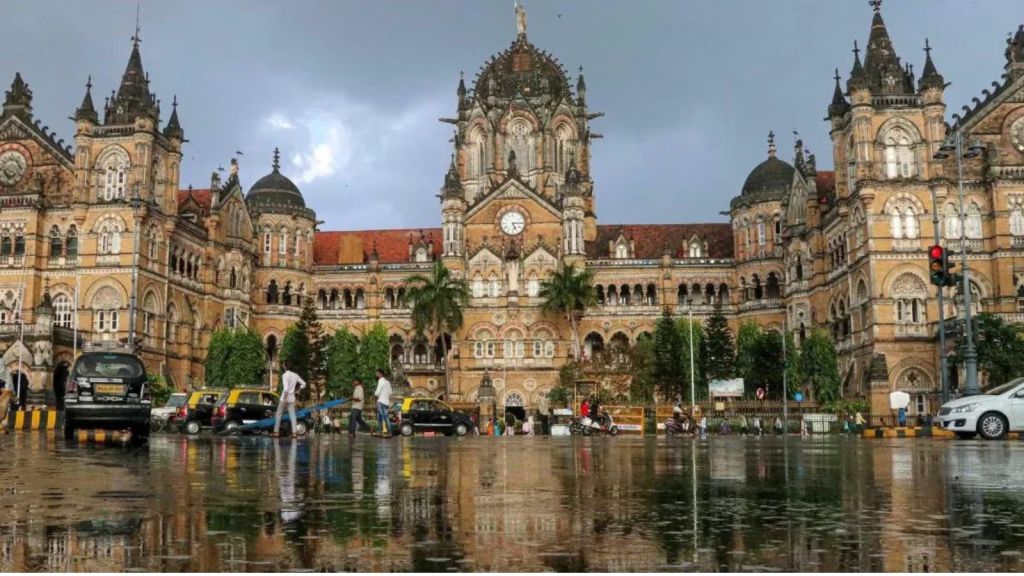
The house panel on Thursday asked Central and Western Railway to provide written replies to its 18-point questions ahead of an informal discussion with officials in Mumbai on September 23.
The PAC specifically questioned why premier NSG-1 category stations — including major terminals such as CSMT, Howrah, Sealdah, New Delhi, and Mumbai Central — continue to have deficiencies in core amenities like drinking water taps, fans, water coolers, seating, and signage.
The PAC will go on a study tour from September 21 to 24 and visit Jaipur, Mumbai and Goa for discussions.
The CAG had found that even the top stations with over Rs. 710 crore annual revenue and passenger footfall between 1.03 crore and 11.47 crore failed to ensure the availability of basic amenities.
The auditor selected 512 non-suburban stations (8.66% of the total) for its study during the period 2019-20 to 2023-24.
Story continues below this ad
The committee has also demanded justifications for project delays and underutilisation of budget, noting that 217 audited passenger amenity works were delayed beyond targeted completion dates, with delays extending to several years, while asking why budget grants for passenger amenities suffer from a consistent 36 to 44 percent underutilisation.
On health and hygiene, the PAC has sought explanations regarding CAG findings of unhygienic toilets and urinals, waterlogging, and overflowing sewerage systems across a large number of stations. The committee asked the Central and Western Railways to provide reasons why CSR-funded pre-fabricated toilets remained non-operational.
The queries have also been raised regarding drinking water quality failures and medical services, noting that 25 Central Railway stations and many stations nationwide lacked Emergency Medical Rooms or AIIMS-recommended medical boxes.
The CAG found a shortfall in testing of drinking water for residual chlorine, bacteriological and chemical analysis. Apart from this, low & high levels of chlorine in drinking water, presence of total coliform bacteria (including E. coli) as well as deficiencies in parameters tested were also found during the audit.
Story continues below this ad
On the accessibility standards for differently abled passengers, the PAC asked for station-wise action plans and monitoring mechanisms to achieve full compliance with the Rights of Persons with Disabilities Act, 2016, following audit observations of deficient ramps, tactile pathways, lifts, and information systems for Divyangjans.
The committee pointed out that Indian Railways has several monitoring mechanisms such as Service Improvement Groups, Zonal and Divisional Railway Users Consultative Committees, PAMS, IRPSM and RailMadad, yet it failed to deliver adequate improvement on the ground.
The panel asked for a current system that is being implemented to ensure monitoring translates into actual corrective action rather than merely recording deficiencies.