


Journalism of Courage
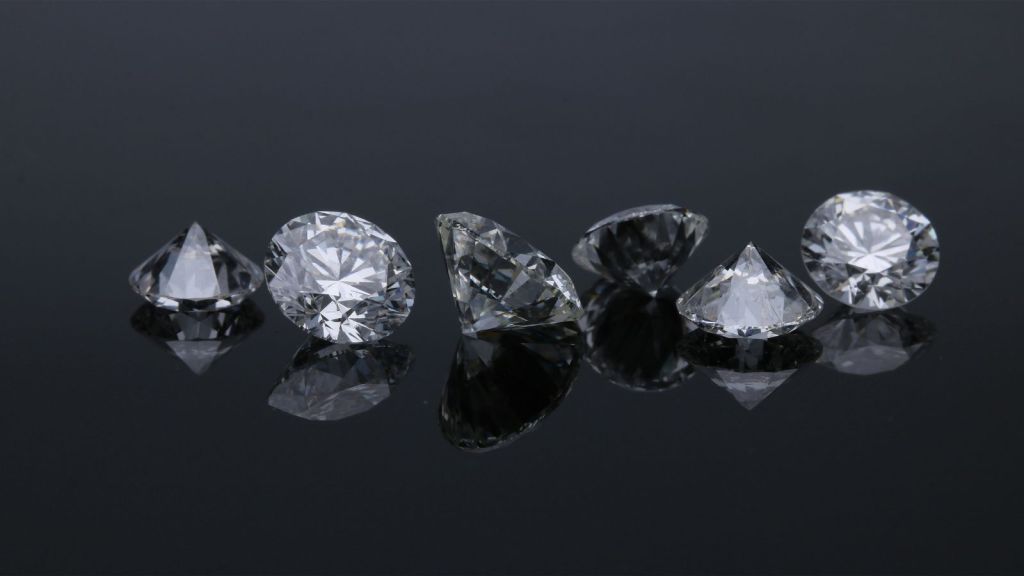 Diamond prices are under pressure as synthetic stones become cheaper and more widely available, while demand for some natural diamonds weakens.
Natural diamond prices have fallen to levels not seen in more than two decades, with wholesale prices now around 30-40 per cent below their 2021 peaks. The decline comes as the diamond industry faces weaker demand, excess supply and growing competition from lab-grown stones.
Retail prices for a mainstream 1-carat natural round diamond currently range between $3,530 and $3,860.
Lab-grown diamonds have emerged as one of the biggest challenges for the natural diamond market. While chemically identical to natural diamonds, they are typically 70-85 per cent cheaper. Wholesale prices of synthetic diamonds have fallen more than 75 per cent since 2022, according to a TradingView report.
Since March 2025, prices of lab-grown diamonds have dropped 29.9 per cent, while natural diamonds of similar quality have declined by around 4 per cent.
China has become a major force in the lab-grown diamond market, accounting for more than 60 per cent of global synthetic diamond production.
Chinese exports of lab-grown diamonds increased 65.3 per cent year-on-year in the first half of 2026, adding to pressure on an already weak market.
The growing supply of cheaper stones has also affected mid-tier natural diamonds, which compete for many of the same consumers. Larger and higher-quality natural diamonds have proved more resilient, with their rarity helping them retain premium prices, reports TradingView.
The decline in demand has also affected diamond mining. Debswana, a joint venture between De Beers and the Botswana government, has recorded a sharp fall in sales. Diamond mining has historically been a major part of Botswana’s economy.
The comparison between diamonds and Bitcoin is not straightforward because diamonds are not interchangeable. The value of a 1-carat diamond can vary considerably depending on its cut, colour, clarity and inclusions.
Bitcoin, in contrast, is fungible, meaning each bitcoin represents the same asset. Its supply is also capped at 21 million coins.
The rise of lab-grown diamonds has challenged the traditional perception of diamond scarcity. Technological advances now allow chemically identical stones to be produced at scale, putting pressure on the prices and perceived value of some natural diamonds, according to a report in TradingView.
For natural diamond miners, the top end of the market remains more resilient. Large diamonds with high colour and clarity can still command significant premiums because of their rarity.
However, such stones represent only a small portion of the overall market. Continued expansion of lab-grown diamond production, particularly in China, could therefore remain a key factor influencing prices across the industry.