According to Bansal, investor roadshows saw a good response and the proposal has already received the nod of a government panel. The final approval from the Alternative Mechanism for Disinvestment, a top ministerial panel, is awaited and could come in as early as a few weeks, following which the expressions of interest will be invited, he said at the CAPA India Aviation Summit.

“AIESL has a healthy topline as well as a healthy bottom line. We expect a good response and multiple bidders for the company,” Bansal said.
Once the EoI process for AIESL is initiated, the government will take up the privatisation process of Air India Airport Services Ltd (AIASL) and Alliance Air Aviation Ltd (AAAL) “parallelly”, Bansal said. AIASL has ground-handling operations while AAAL operates regional connectivity-focussed airline Alliance Air.
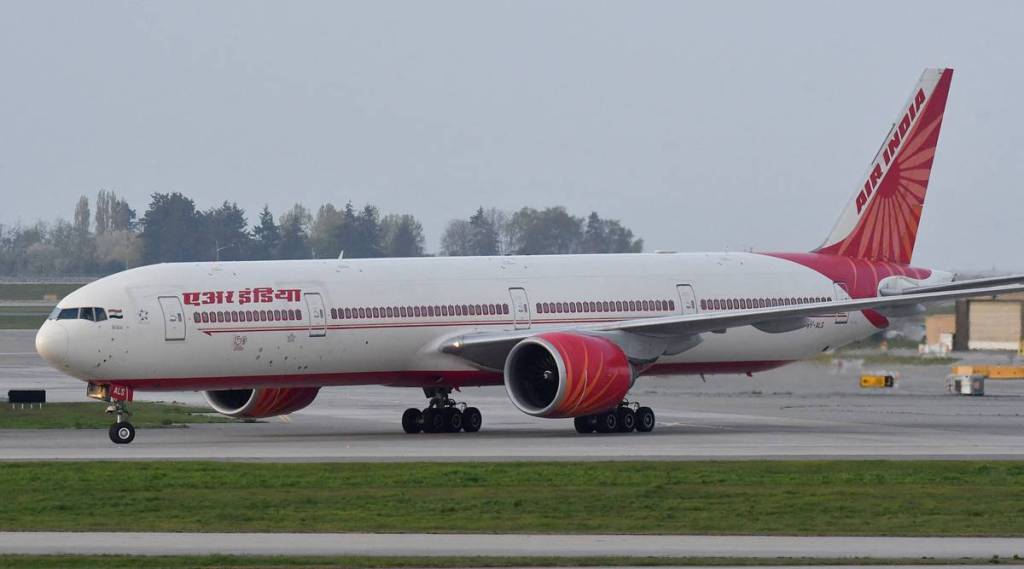
AIESL, AIASL, and AAAL were subsidiaries of Air India when the government owned it. However, these were among the arms of Air India that were not part of its privatisation, with the government deciding to divest its stake in these companies separately. The Tata group took control of Air India from the government in January last year.
Before Air India’s sale to the Tata group, these three subsidiaries, along with another arm – Hotel Corporation of India Ltd – and other non-core assets of Air India, were transferred to a government-owned special purpose vehicle, Air India Assets Holding Ltd (AIAHL).
In the Union budget for 2023-24, the government set a disinvestment target of Rs 51,000 crore, against the revised estimate of Rs 50,000 crore for 2022-23.



 Share


