5 min readMumbaiNov 10, 2025 08:52 AM IST
First published on: Nov 10, 2025 at 05:18 AM IST
Currency with the public has more than doubled since November first week in 2016 when demonetisation of Rs 500 and Rs 1,000 notes was announced by the government. Currency with the public, which stood at Rs 17.97 lakh crore on November 4, 2016 and declined to Rs 7.8 lakh crore in January 2017 soon after demonetisation, has now increased to Rs 37.29 lakh crore as on October 17, 2025, according to RBI data. However, the size of the economy also expanded with a 6 per cent plus growth every year, bringing the currency in circulation to GDP ratio below the pre-demonetisation level.
When was demonetisation?

Prime Minister Narendra Modi announced demonetisation on November 8, 2016, at 8:00 pm in a televised address to the nation. The announcement declared that all existing Rs 500 and Rs 1,000 notes — which together accounted for about 86 per cent of the currency in circulation — would cease to be legal tender from midnight of that day (November 9). Demonetisation in 2016 was apparently intended to eliminate black money, curb counterfeit currency, promote digital payments and formalise the economy.
What was the impact?
The sudden withdrawal of notes roiled the economy with demand falling, businesses facing a crisis and gross domestic product (GDP) growth declining nearly 1.5 per cent. Many small units were hit hard and downed shutters after the note ban as it created liquidity shortage. The shock of suddenly invalidated high-denomination notes disrupted daily commerce, forced long queues at banks and ATMs, and pushed people and businesses to reconfigure how they manage cash. In the years that followed, a combination of renewed printing of new denomination notes (Rs 500 and Rs 2,000 which was later withdrawn), greater hoarding and a persistent preference for cash in large parts of the economy drove the stock of currency with the public to levels well above the pre-demonetisation norm.
Pandemic impact
After demonetisation, the jump in cash with the public in 2021 was primarily driven by a rush for cash by the public in 2020-21 as the government announced a stringent lockdown to tackle the spread of the Covid pandemic. People began accumulating cash to meet their grocery needs that were being mainly catered by neighbourhood grocery stores. People also used cash for other essential needs like medical expenses.
How currency with the public is defined
As per the RBI’s definition, currency with public is arrived at after deducting cash with banks from total currency in circulation (CIC). CIC refers to currency notes and coins issued by the central bank within a country that is physically used to conduct transactions between consumers and businesses. During the fortnight ended October 17, cash with the public increased by Rs 30,709 crore and on a year-on-year basis, it rose by Rs 3.13 lakh crore.
Currency-to-GDP ratio stable
The rise in currency in circulation in absolute numbers is not the reflection of reality as GDP growth has remained strong and even touched 7.8 per cent in the first quarter of FY2026. Since demonetisation in 2016, currency in circulation has risen steadily every year, with the CIC to GDP ratio having surged to 14.5 per cent in 2020-21 from 8.7 per cent in 2016-17. The ratio has now come down to 11.11 per cent in 2025 from 12.1 per cent in March 2016. A high CIC-to-GDP ratio indicates that people and businesses rely heavily on cash for transactions, while a lower ratio reflects a shift towards digital payments, banking channels and formal financial systems.
A lower CIC-to-GDP ratio, driven by increased digitalization and reduced reliance on cash, generally enables smoother monetary policy transmission and better inflation control, experts say.
How does India compare with countries
After the demonetisation and the Covid period, though India’s currency to GDP ratio has improved, it’s higher than other major economies. Japan has a ratio of 9-11 per cent, Eurozone 8-10 per cent and China 9.5 per cent. Russia has a lower ratio of 8.3 per cent and the US 7.96 per cent. India’s elevated currency-to-GDP ratio of 11.11 per cent stems from its sizable cash-dependent informal economy, a strong cultural preference for holding cash, limited card usage and comparatively lower adoption — but picking up fast — of digital payment systems, in contrast to the highly formalized and digitalised economies of the US, Eurozone, China and Russia.
Cash remains king despite digitisation
Although the government and the RBI have pushed for a “less cash society”, digitisation of payments and imposed restrictions on the use of cash in various transactions, cash in the system has remained high.
Unified Payment Interface (UPI) is the driving force behind the behavioural shift of growing digital transactions, with 54.9 billion transactions in Q1FY26 and 185.9 billion transactions in FY25. UPI transactions grew at a CAGR of 49 per cent between FY23 and FY25, underscoring rapid adoption and deepening penetration in tier 2 and tier 3 cities. UPI is expected to continue its rapid growth, further solidifying its dominance in India’s digital payments landscape, says a CareEdge Ratings report.

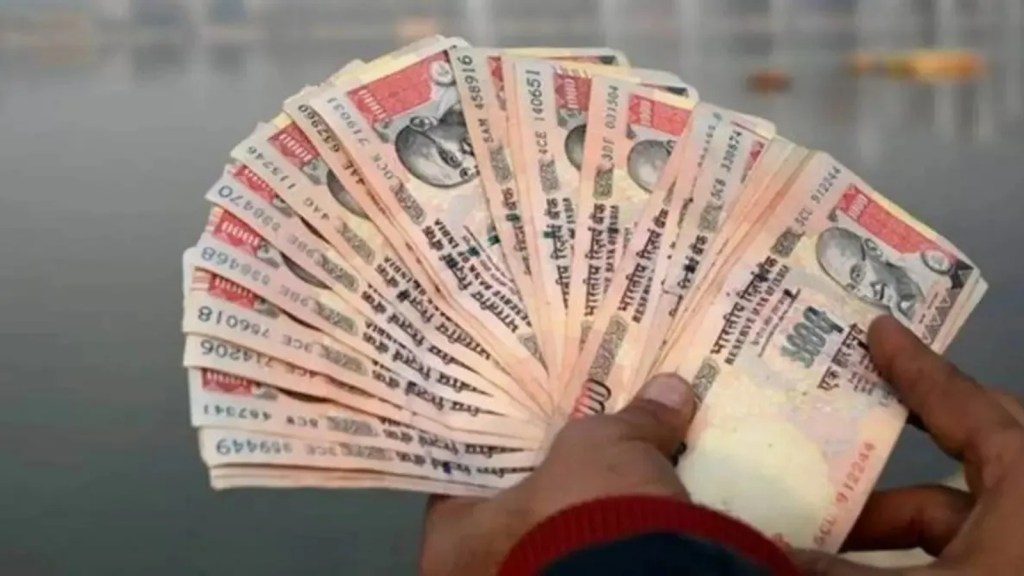 Although the government and the RBI have pushed for a “less cash society”, digitisation of payments and imposed restrictions on the use of cash in various transactions, cash in the system has remained high.



 Share


