“The path to love is not arduous or hidden, but we must choose to take the first step.” – bell hooks
For many of us navigating our twenties, bell hooks’ All About Love arrives not just as a book, but as a balm. It cools the fever of modern life with its profound and precious truths, answering questions we carry from part-goodbyes and unfinished endings. It hooks you with the very answers you’ve been thirsting for.
But after being touched on such a personal level, a question arises: where do we, as readers, place this book in our world today? Its wisdom demands to be reconsidered through the lens of modern dating—not as a critique of a bygone era, but as a vital mirror to our present.
The problem with discussing modern dating isn’t that love itself has changed, but that our lifestyles have transformed dramatically. We are flooded with information, consuming endless content on “how-to”: how to build connections, preserve your energy, or attract rather than chase. As hooks notes, quoting Jack Kornfield, we have lost “the essential art of taking time to converse with our heart.” We look for answers in algorithms and aesthetics, rather than in our own core.
 Bell Hooks exposes her vulnerable side while writing about her experiences in the book. (Photo Credit: The Guardian)
Love versus power
Amidst the dating potpourri on our screens, one common element supersedes the very idea of love: power.
bell hooks writes, “We cannot know love if we remain unable to surrender our attachment to power, if any feeling of vulnerability strikes terror in our hearts.” This is the central conflict of modern connection. When we refuse to be vulnerable, power becomes a means of control—a way to manage the terror of being truly seen. All About Love powerfully counters this. By sharing her own relational vulnerabilities, hooks offers an eye-opening method for why we must learn to let go of power to allow inherent love to unfold.
She also highlights a poignant gendered divide. Many men, socialized to receive care, often feel they know what it feels like to be loved. Conversely, women, often cast as eternal caregivers, frequently feel in a constant state of yearning—wanting love but not receiving it. This dynamic is exacerbated today, where women are expected to have stellar careers while still fulfilling traditional caregiving roles, all within a society with increasingly disruptive timelines for marriage and commitment.
Love and dixie cups
This rush is pervasive. Everyone is running, treating love as secondary to achievement. We have forgotten how to pause, and in doing so, we’ve started to believe this hurried, disposable approach is just the way love is. hooks captures this perfectly: “Relationships are treated like dixie cups. They are the same. They are disposable, if it does not work, drop it, throw it away, get another.”
So, where do we go from here?
The answer lies in the core of hooks’ teaching. To move from a love misunderstood through the lens of power and control, we must make a conscious choice. To love is to risk that control. To love is to break free from the fear of losing it. To love fully, we must surrender our fear of loving itself. To love is to let go, to embrace ourselves along the way, and to finally eradicate the shame of vulnerability that divides us. In the end, love is the only answer.

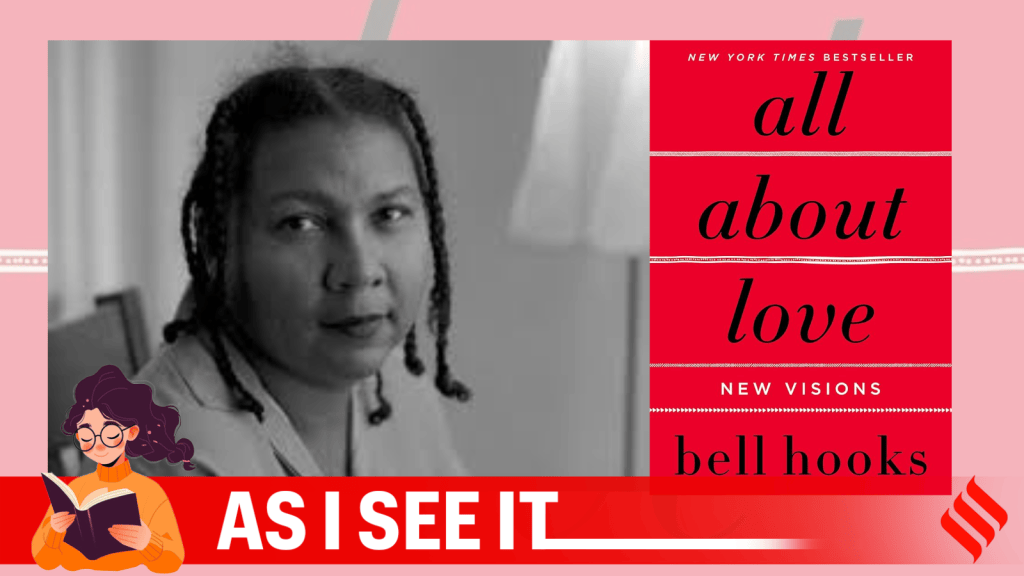

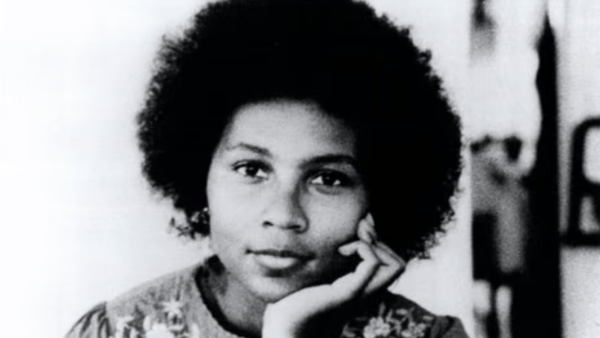 Bell Hooks exposes her vulnerable side while writing about her experiences in the book. (Photo Credit: The Guardian)

 Share


