
Opinion Mislaid foundation
On the Aadhaar bill, the government loses an important opportunity to engage the Opposition.
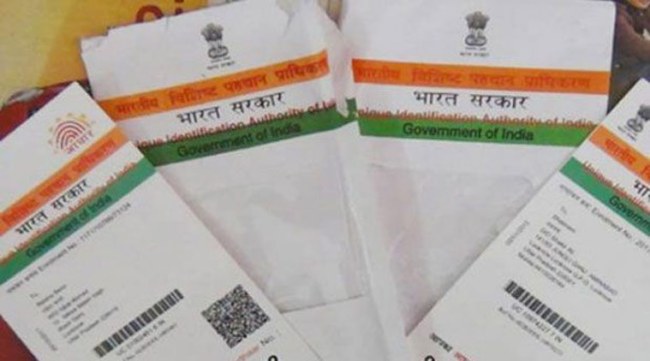 (Representational Image)



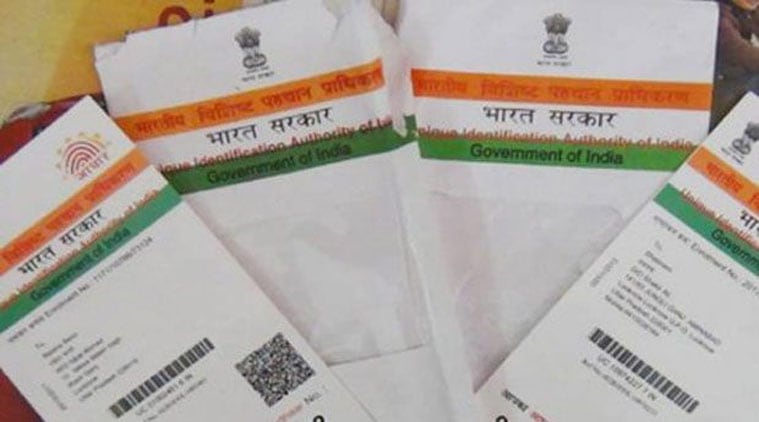 Aadhaar has the potential to enjoy bipartisan support.
Nervous about its numbers, or the lack of them, in the Rajya Sabha, the NDA government tabled the Aadhaar (Targeted Delivery of Financial and Other Subsidies, Benefits and Services) Bill in the Lok Sabha as a money bill. Of course, by this stratagem, it has ensured its passage into law. The Rajya Sabha cannot force amendments but must return the bill, with suggestions that are not binding, to the Lok Sabha. But this is a disturbing precedent — not just because such a stratagem could be overused to relegate the Rajya Sabha in the process of lawmaking, but also for what it says about the government’s reluctance to find a political resolution to the Rajya Sabha impasse. It is simply trying to skirt it.
In fact, the government has just missed a terrific opportunity to reach out to the opposition. Aadhaar has the potential to enjoy bipartisan support. It was a flagship project of the UPA government, which suffered from the lack of a legal framework. The present bill provides just that and the Congress could not have stonewalled it without embarrassing itself. An entente over Aadhaar could have been an icebreaker, a step towards breaking the political freeze in Parliament. It may even have made it easier for the government to engage with the opposition on other issues, such as GST. There is public concurrence on the utility of GST, but it is not reflected in a political consensus in the House. The BJP has seen whole sessions washed away because, having been obstructionist itself when in the Opposition, it has failed to contain the present opposition parties’ enthusiasm for revenge tragedy.

The finance minister has insisted that Aadhaar qualifies as a money bill following a reworking that brings the focus to expenditure from the Consolidated Fund of India. However, historically, a money bill has been understood to exclusively address a question of government revenue, borrowing, expenditure, allocation or appropriation. The central function of the Aadhaar bill is the authentication of identity. The disbursement of benefit and subsidy is one of the many outcomes of authentication, and Aadhaar data may even be used by the private sector. The Aadhaar bill has been passed by the Lok Sabha and thanks to the automatism built into money bills, it is only a matter of time before it becomes law. But the issue of money and benefit is only one of the questions involved. Disquiet about privacy and the ownership, warehousing and use of data are more important. Now, they are unlikely to be discussed fully by both Houses, and the government has lost the opportunity to coax the Opposition into putting its weight behind it. On both counts, this is an imperfect outcome.
 Share
Share


