Journalism of Courage



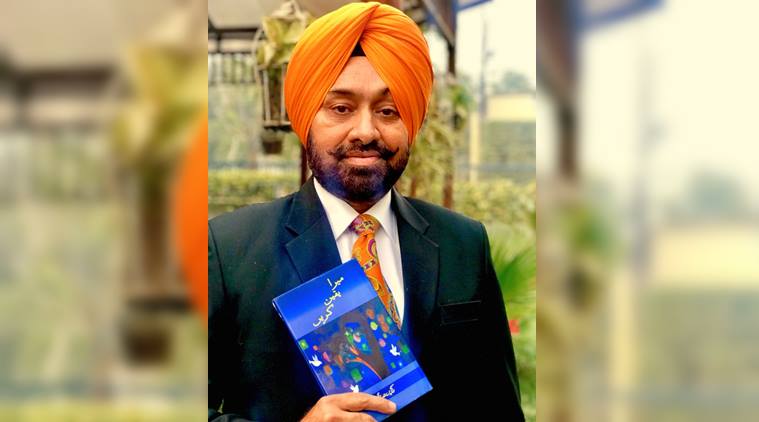 Singh says that he wrote the poem ‘Baddua’, dedicated to the children killed in the terror attack, as he wanted to give a message to the people of the neighbouring nation that their children were like ours.
Going beyond borders and boundaries that separate us, Sehajpreet Singh, a Ludhiana-based Punjabi poet has written an anthology of poetry, ‘Mera Yakeen Kareen’ (Believe Me), a tribute to the school children who were killed in a deadly terror attack in 2014 at Peshawar in Pakistan. At least 141 people, including 132 school children died in one of the deadliest terror attacks at the Army School in Peshawar on December 16, 2014, after seven terrorist stormed into the school and went on a rampage. The book is in Shahmukhi script of Punjabi, used in Pakistan’s Punjab and the collection of poems is based on the author’s experiences in Pakistan.
An assistant engineer with the Public Works Department (PWD), 49-year-old Singh says that he wrote the poem ‘Baddua’, dedicated to the children killed in the terror attack, as he wanted to give a message to the people of the neighbouring nation that their children were like ours. “We also felt their pain here in India. After I penned this poem, it was an instant hit on social media and people from Pakistan also shared it widely. Later, I started getting calls to get it published in a book. I visited Pakistan in 2014 to attend the World Punjabi Peace Conference in Lahore, where I read out ‘Baddua’. Sanj Publications from Lahore and Dess Rang Publications from Sahiwal agreed to publish my poems in Shahmukhi script, while originally the poems were published in Gurmukhi,” explains Singh.
The poem ‘Baddua’ reads, ‘Schoolon ghar nu chayeen chayeen paratdey masoom baal; daadi di god, desi ghiyo di choori, amma di akkh de taarey, akhaan da maan; ki mileya tuhanu, baalan diyan khushiyan tey daakey maarke; gallan karde hon jihaad diyaan, jaao jaao zaalmon, tuhanu do zakh vi na hove naseeb.’ (Cheerful children come from school to home, they long for their grandmother’s lap and she cooks food for them in desi ghee. They were their mother’s pride, apple of her eye. What happiness did you get in killing them? Killers, you are not going to get place even in a hell after death).
The other poems in the book also speak about the poet’s experiences during his stay in Pakistan. “The poem ‘Sawaal’ (a question) tells the plight of a child who asks his mother, ‘Will my father return home tonight?’ People in Pakistan were so warm and friendly, and many taxi drivers did not even charge money, seeing my turban. I realized they are going through an ordeal on a daily basis due to terrorism and uncertainty of life,” reflects Singh, adding that the title of the book ‘Mera Yakeen Kareen’, is an effort to convince the readers about what he saw in Pakistan. “I want my countrymen to believe that people in Pakistan are equally in pain due to terrorism and that they should believe what I am telling them through my writings,” he says.
In an another poem titled ‘Main Kyu Naa Kahaan’, poet questions that why he should not say ‘Eid Mubarak’ to people of Pakistan. He says, ‘Sarhad upar raakhi karde jawaan, vadd lai jaande ho siraan nu. Bamb dhamake, Mumbai kaand. Par assi Nanak lewa mannan waale, main kyu na kahaan tainu Eid Mubarak.’ (Our soldiers are killed at the border and incidents like 26/11 happen in Mumbai but we are the Sikhs of Guru Nanak, then why I should not say Eid Mubarak to you).

 4 min read