3 min read

Journalism of Courage



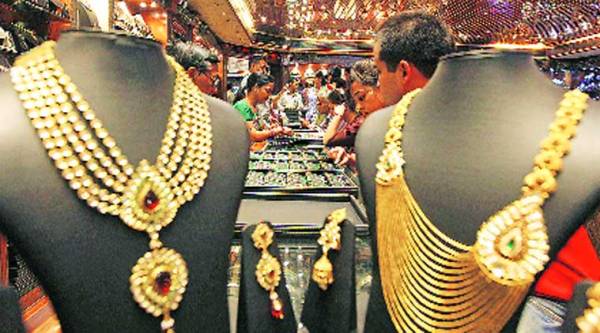 The Centre had imposed restrictions on gold imports in 2013 when the CAD touched a record 4.7 per cent of the GDP in 2012-13.
Very soon, India will have its own gold coin inscribed with the Ashok Chakra. This is one of the three big moves the Budget entails in the direction of boosting investment in the yellow metal, thanks to the under-control current account deficit. The other two steps are the launch of a gold monetisation scheme and a sovereign gold bond.
“India is one of the largest consumers of gold in the world and imports as much as 800 to 1,000 tonnes, mostly, this gold is neither traded nor monetised,” Finance Minister Arun Jaitley said on Saturday while presenting the Union Budget 2015-16.
Jaitley proposed “to commence work on developing an Indian gold coin, which will carry the Ashok Chakra on its face”. This, he said, would help reduce the demand for gold coins minted outside India and also help recycle the gold available in the country. However, the 10 per cent import duty on gold would remain.
[related-post]
The response to the other two plans — a gold monetisation scheme and a sovereign gold bond — would largely depend on their design as similar schemes in the past failed to take off.
The gold monetisation scheme would replace both the present gold deposit and gold metal loan scheme, allowing depositors to earn interest on their gold metal accounts and for jewellers to obtain loans against gold.
Similarly, the sovereign gold bond would have a fixed interest rate and be redeemable in cash in order to discourage purchase of the yellow metal.
The Centre had imposed restrictions on gold imports in 2013 when the CAD touched a record 4.7 per cent of the GDP in 2012-13. The CAD is estimated at 1.3 per cent of the GDP in the current fiscal and at less than 1 per cent in 2015-16.
With an improvement in the CAD, the RBI had in November 2014 withdrew the 80:20 scheme, under which 20 per cent of the gold imported had to be exported back.
Gold imports in January declined to 38 tonnes from 142 tonnes in April 2014. In 2012-13, the country had imported 845 tonnes.